Tile vs. Vinyl Flooring: The Quick Answer
In the tile vs. vinyl flooring decision, tile wins on maximum durability, heat resistance and long-term water resistance, while vinyl wins on comfort, warmth, quiet footfall and faster, more affordable installation. Both are strong choices for kitchens, bathrooms and basements. The right pick depends on how much you value softness underfoot versus absolute toughness, and how quickly you want the project finished.
Tile vs. vinyl flooring is one of the most common comparisons homeowners research, because both materials handle water and traffic far better than carpet or hardwood in demanding rooms. Porcelain and ceramic tile have been the traditional answer for kitchens and bathrooms for generations, while luxury vinyl has rapidly closed the gap on style while adding comfort and installation speed that tile cannot match.
Richmond homes add a few local wrinkles to this comparison: humid summers, older subfloors that may not be perfectly flat, and a growing number of finished basements that need reliably waterproof flooring. This guide walks through the tile vs. vinyl flooring decision the way Del Carlo Flooring approaches it with clients across Richmond and Central Virginia, covering construction, water resistance, durability, comfort, cost and the best room-by-room fit.
Tile and Vinyl Flooring Comparison at a Glance
The table below reflects general tendencies rather than guarantees, since specific products vary widely within both categories. Always compare the exact glaze rating, wear-layer thickness and installation requirements of the products you are considering.
| Feature | Porcelain/ceramic tile | Luxury vinyl |
|---|---|---|
| Water resistance | Excellent, effectively impervious | Excellent at the surface, seams need care |
| Heat resistance | Excellent | Good, can be affected by direct heat sources |
| Comfort underfoot | Hard and cool | Slightly resilient and warmer |
| Noise | Can be louder and echo more | Quieter, especially with attached pad |
| Installation speed | Slower, more labor-intensive | Faster, often floating click-lock |
| DIY friendliness | Low to moderate | Moderate to high |
| Refinishing | Cannot be refinished | Cannot be refinished |
| Best fit | Wet, high-heat, heavy-traffic rooms | Comfort-focused, budget-conscious rooms |
The most common mistake in the tile vs. vinyl flooring decision is comparing only the price per square foot. Substrate preparation, trim, transitions and installation labor often matter more than the material cost itself, and a cheaper product installed poorly can cost more to fix than a premium product installed correctly the first time.
How Tile and Vinyl Flooring Are Made
Porcelain and ceramic tile construction
Porcelain tile is fired from dense clay at high temperatures, creating a hard, low-porosity material that absorbs very little water. Ceramic tile uses a similar process at a somewhat lower firing temperature, generally making it a bit softer and more porous than porcelain, though still a strong performer for most residential floors. Glaze quality, thickness and rectification (precisely squared edges) all affect how the finished tile installs and performs.
Luxury vinyl construction
Luxury vinyl plank combines a backing or attached pad, a rigid or flexible core, a high-resolution printed design layer and a transparent wear layer. Rigid-core products using stone-polymer or wood-polymer cores add dimensional stability, which matters for tile-look vinyl planks that are trying to visually compete with real tile in the same room.
Grout width and joint treatment also shape how each material reads in a finished room. Tile requires a visible grout line whose width and color become a permanent part of the design, and narrower, precisely rectified tile edges allow thinner joints that read more like a continuous surface. Vinyl, by contrast, uses a tight mechanical or glued seam that all but disappears once installed, which is part of why tile-look vinyl planks and tiles can look surprisingly similar in photos while feeling very different underfoot.
Which Is More Water-Resistant?
Properly installed porcelain tile is effectively impervious to water at the material level, since dense fired clay simply does not absorb meaningful moisture. Grout lines are the exception; unsealed or damaged grout can allow water to reach the substrate over time, which is why grout selection and maintenance matter as much as the tile itself.
Quality vinyl is also highly water-resistant, but its protection depends more on the integrity of seams, edges and transitions than on the material itself. Water can still travel underneath a vinyl floor through a damaged seam or an unsealed perimeter, even when the plank surface is technically waterproof. In the tile vs. vinyl flooring comparison, tile has a slight edge in wet, high-exposure rooms like walk-in showers, while vinyl performs excellently in kitchens and bathrooms with normal splash and spill exposure.
Durability, Scratches and Cracks
Tile is essentially immune to scratches from foot traffic, pet claws or furniture, and it will not fade or wear thin the way a vinyl surface can over many years. Its main durability risk is impact cracking from a heavy dropped object, and a cracked tile typically must be replaced rather than repaired invisibly.
Vinyl resists dents and scratches well when the wear layer is substantial, but that wear layer is finite. Once it is worn through in a heavy-traffic path, the printed design beneath becomes visible and the plank needs replacement. Neither material can be sanded and refinished the way solid hardwood can, so both rely on wear-layer quality and glaze durability rather than a renewable surface.
Repair scope is another practical difference worth weighing in the tile vs. vinyl flooring decision. A single cracked tile can usually be chiseled out and replaced without disturbing the surrounding field, provided spare material from the original batch was saved. A damaged vinyl plank in a floating installation can require disassembling several rows back to the nearest wall to reach it, though glue-down vinyl planks can sometimes be replaced individually with more care. Keeping labeled spare material from the original installation makes either repair faster and less visible years later.
Comfort, Noise and Temperature Underfoot
This is where the tile vs. vinyl flooring decision often gets settled for many households. Tile is hard and stays cool year-round, which some homeowners appreciate in a hot climate and others find unwelcome first thing in the morning. Vinyl feels noticeably warmer and slightly cushioned, especially with an attached underlayment pad, and it absorbs sound better than a hard tile surface.
Radiant floor heating can offset tile's cold-surface drawback in bathrooms, and many homeowners specifically add it under tile for this reason. Vinyl generally does not require this addition to feel comfortable, which can offset some of its lower material cost advantage if radiant heat is part of the tile budget.
Acoustic performance follows a similar pattern. Hard tile can create noticeable echo in an open room with high ceilings, while vinyl, especially a product with an attached foam pad, dampens footfall and reduces the hollow sound that hard flooring can create over a wood-framed subfloor. Homeowners converting a basement or finished attic into living space often notice this difference more than they expect once furniture is moved in and the room is actually in use.
Cost and Long-Term Value
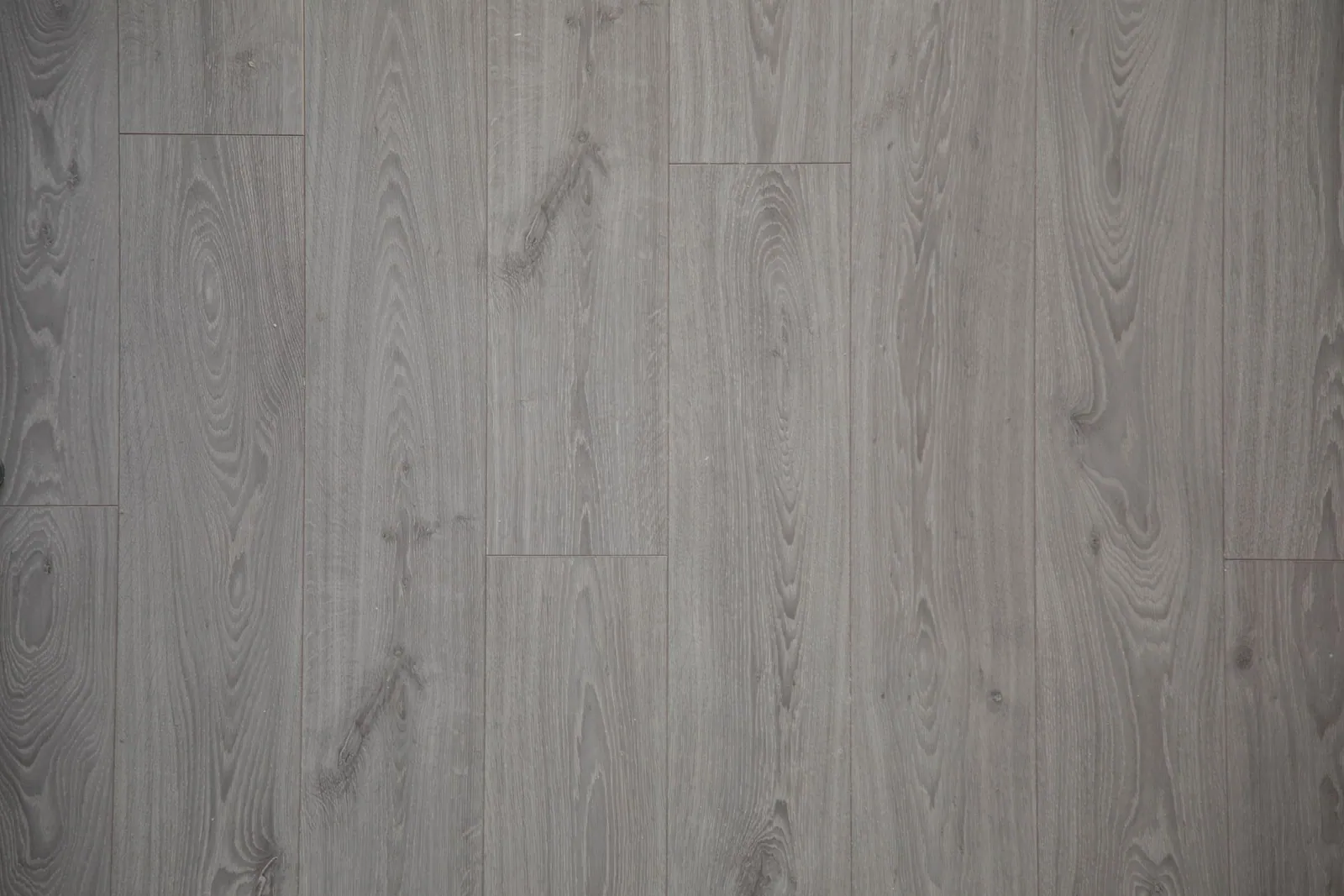
Vinyl flooring is usually less expensive to install than tile because it requires less labor, less substrate preparation, and no thin-set mortar or grout work. Tile installation labor reflects the skill and time needed for layout, cutting, setting and grouting, which adds up even when the tile material itself is inexpensive.
At the premium end, both categories can approach similar total project costs, since high-end porcelain and high-end rigid-core vinyl both carry a price premium for appearance and performance. Long-term value in the tile vs. vinyl flooring decision often comes down to lifespan: tile can outlast several vinyl installations if it is never cracked, while vinyl offers faster, less disruptive replacement when styles change or wear eventually catches up with it.
Resale value adds another wrinkle to the cost conversation. Buyers in the Richmond market often perceive tile as a more permanent, premium upgrade in bathrooms and entryways, which can support asking price in those specific rooms. Vinyl's resale contribution tends to come from broad, practical appeal rather than a prestige factor: a clean, updated, wood-look vinyl floor photographs well and reads as low-maintenance to a buyer touring an open house, even if it does not carry the same built-in-forever impression that tile can leave in a bathroom or foyer.
Best Choice by Room
Kitchens
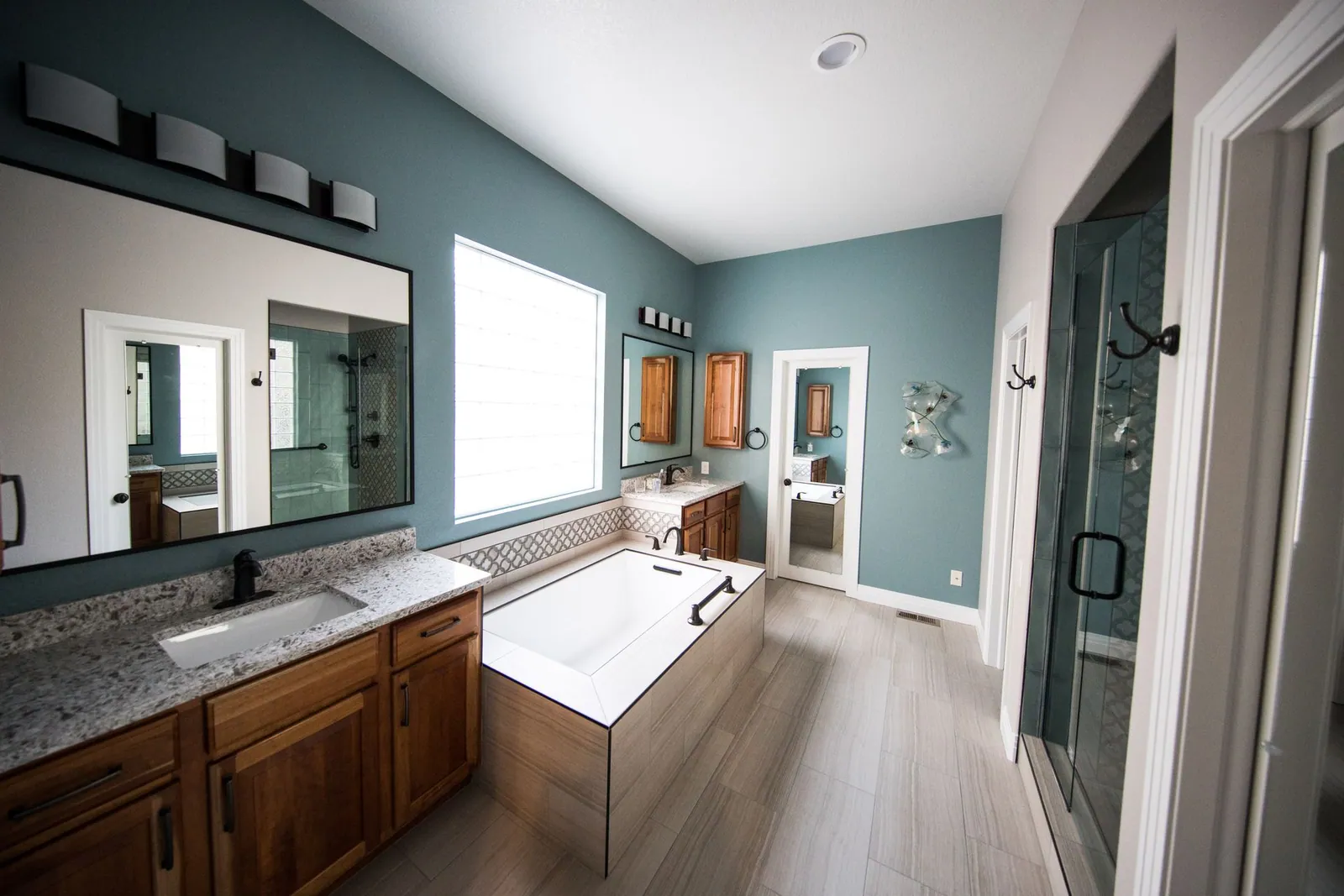
Both materials work well in kitchens. Vinyl offers a warmer, quieter, more comfortable surface for standing while cooking, while tile provides maximum resistance to heat, dropped cookware and heavy traffic in front of an island or sink.
Choosing Tile vs. Vinyl Flooring for Bathrooms
Bathrooms are the room where the tile vs. vinyl flooring decision is closest. Tile remains the traditional choice for shower surrounds and fully wet floors, while waterproof vinyl plank offers a warmer, budget-friendly alternative for the dry floor area outside the shower or tub, particularly in a powder room or guest bathroom.
Basements and entryways
Rigid-core vinyl is often preferred in basements for its warmth and comfort, while tile remains the top choice for entryways and mudrooms that see constant mud, grit and moisture tracked in from outside.
Living areas and bedrooms
Vinyl is the more common choice in living areas and bedrooms because of its comfort, warmth and quieter sound underfoot, though tile can work well in sunrooms and other spaces with heavy direct light exposure.
Installation: DIY Potential and Professional Requirements
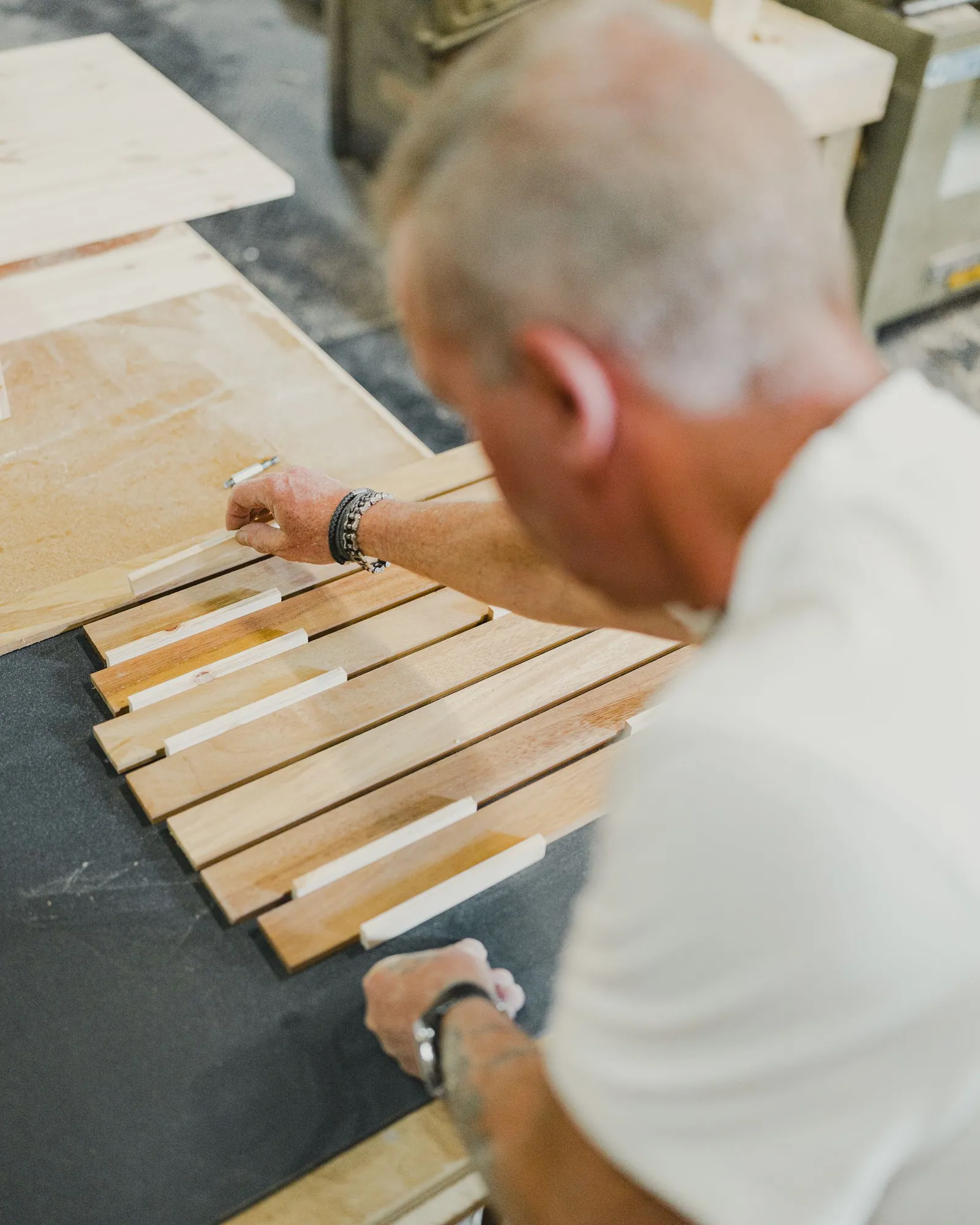
Click-lock vinyl plank is far more approachable for an ambitious DIY homeowner than tile, which requires substrate leveling, thin-set mortar, precise cutting around fixtures and careful grout work. A poorly set tile floor can develop lippage, cracked grout and uneven joints that are difficult to correct after the fact.
Both materials benefit from professional installation in wet rooms, large-format applications and any space with an imperfect subfloor. Professional tile installation and professional vinyl installation both start with substrate evaluation, since neither material performs well over an uneven or improperly prepared floor.
Maintenance and Long-Term Care
Day-to-day cleaning is simple for both materials: regular sweeping or vacuuming followed by an approved damp-mop routine keeps either floor looking new. The meaningful differences show up in periodic maintenance rather than daily habits. Tile requires grout sealing on a schedule recommended by the installer, typically every one to two years for a cementitious grout, to keep the joints resistant to staining and moisture. Skipping this step is the most common reason an otherwise excellent tile floor starts looking dingy well before the tile itself shows any wear.
Vinyl requires no sealing, but it is more sensitive to the wrong cleaning products than many homeowners expect. Wax, oil-based soaps, and steam cleaners can dull a vinyl wear layer or affect seam adhesives, even on products marketed as low-maintenance. Reading the manufacturer's approved cleaner list before the first deep clean avoids a problem that is difficult to reverse once a dulling agent has been applied across an entire room.
Longevity expectations should be realistic for both. A well-maintained tile floor with sealed grout and no cracked pieces can remain serviceable for decades, which is part of why tile carries such strong long-term value in the tile vs. vinyl flooring conversation. Vinyl's service life depends heavily on wear-layer thickness and traffic, and a busy household should expect to plan for eventual replacement sooner than they would with tile, even though the lower upfront and installation cost often offsets that shorter lifespan.
Tile vs. Vinyl Flooring for Pets and Kids

Tile resists claw scratches completely and cleans up quickly after muddy paws or spilled juice, but its hard, unforgiving surface can be tougher on joints for both pets and children during falls. Vinyl offers a slightly softer landing and warmer surface for play, along with strong scratch and stain resistance when a quality textured product is chosen.
For our full comparison of pet-specific flooring performance across every major material, see our guide to the best flooring for dogs and pets, which covers traction, accidents and cleaning in more depth than a tile vs. vinyl flooring comparison alone.
7 Mistakes to Avoid When Choosing Tile vs. Vinyl Flooring
- Comparing only material price per square foot. Installation labor often makes up the bigger share of the total cost.
- Choosing a polished tile finish for a wet floor. Textured or matte finishes provide far better traction.
- Assuming all vinyl is equally waterproof. Wear-layer thickness and seam quality vary widely between products.
- Ignoring the subfloor. Both materials can fail prematurely over an unlevel or moisture-compromised substrate.
- Overlooking grout maintenance. Porous, unsealed grout is the most common weak point in an otherwise durable tile floor.
- Choosing tile for comfort-first rooms. A hard, cool surface is a poor fit for a room meant for lounging or long standing sessions.
- Skipping a written scope comparison. Preparation, trim, transitions and removal should be itemized for both options before deciding.
How to Make the Final Decision
Start with the room's exposure to water and heat. High-exposure rooms like walk-in showers and areas near a wood stove lean toward tile. Next, weigh comfort priorities: if you stand, sit or play on the floor often, vinyl's warmth and resilience usually wins. Finally, compare the complete installed cost, not just the material price, since labor and preparation can shift the tile vs. vinyl flooring decision significantly.
It also helps to think about the house as a whole rather than settling the tile vs. vinyl flooring question once for every room. Many Richmond homeowners choose tile for entryways, bathrooms and laundry rooms where water and grit are unavoidable, then choose vinyl for kitchens, living areas and basements where comfort and continuous flow between rooms matter more. Planning transitions between the two materials at a natural break point, such as a doorway or change in ceiling height, keeps the finished result looking intentional rather than like two unrelated projects stitched together.
Choose vinyl if: you prioritize comfort, warmth, quieter footfall, faster installation and a lower overall project cost.
How Del Carlo Helps You Decide
Del Carlo Flooring walks Richmond homeowners through the tile vs. vinyl flooring decision with a practical process built around the actual room, not a generic recommendation:
- Free project conversation: We discuss the room, household and priorities driving the decision.
- On-site evaluation: We inspect the existing floor, subfloor and moisture exposure.
- Material comparison: We explain realistic tradeoffs between specific tile and vinyl products for your space.
- Clear written scope: The estimate itemizes preparation, installation, trim and transitions for a fair comparison.
- Professional installation: The crew follows the layout, substrate and product-specific requirements for whichever material you choose.
- Final walkthrough: We review the finished work and care expectations before the project closes.
Learn more about Del Carlo Flooring, explore our full range of services, or contact the team for a free, no-pressure estimate.
Frequently Asked Questions About Tile vs. Vinyl Flooring
Is tile or vinyl flooring better?
Tile generally wins on maximum durability, heat resistance and long-term water resistance, while vinyl wins on comfort, warmth, quieter footfall and easier, faster installation. The right choice depends on the room.
Which is more waterproof, tile or vinyl?
Porcelain tile is effectively impervious to water at the material level, while quality vinyl is highly water-resistant but relies on tight seams and edges. Both can perform well in wet rooms when installed correctly.
Is vinyl flooring cheaper than tile?
Vinyl is usually less expensive to install because it requires less labor, less substrate preparation and no grout work. Costs can overlap at the premium end of both categories.
Can you install tile or vinyl flooring yourself?
Click-lock vinyl plank is far more DIY-friendly than tile, which requires substrate preparation, thin-set mortar and grouting. Professional installation is recommended for both in wet rooms.
Does tile or vinyl flooring feel warmer?
Vinyl feels noticeably warmer and softer underfoot than tile, especially without radiant heating. Tile stays cool year-round unless paired with in-floor heating.
Which lasts longer, tile or vinyl flooring?
Quality porcelain tile generally lasts longer than vinyl because it cannot be scratched, dented or worn through the way a vinyl wear layer can over time.
Is tile or vinyl better for a bathroom?
Both can work well. Tile is the traditional choice for shower surrounds and wet-area floors, while waterproof vinyl offers a warmer, quieter alternative for the dry floor area.
Can Del Carlo Flooring help me choose between tile and vinyl flooring in Richmond?
Yes. Del Carlo Flooring provides free, no-pressure estimates and helps Richmond-area homeowners compare tile vs. vinyl flooring based on rooms, moisture exposure, budget and style goals.
Get a Free Estimate: Tile vs. Vinyl Flooring in Richmond, VA
The tile vs. vinyl flooring decision does not have a single universal winner. Tile earns its place in wet, high-heat, heavy-traffic rooms where absolute durability matters most, while vinyl earns its place in comfort-focused, budget-conscious spaces where warmth, quiet and installation speed carry more weight. Many Richmond homes use both, matching each material to the room where it performs best.
Del Carlo Flooring is a local, family-owned flooring and remodeling company serving Richmond and Central Virginia. Visit our About page, browse our flooring services, or request your free estimate today. We will help you compare tile vs. vinyl flooring honestly and build a clear scope for your home.