Best Flooring for Dogs & Pets: A Richmond Homeowner's Guide
Compare scratch resistance, waterproofing, traction, comfort and maintenance before choosing a floor your family—and your pets—can live on.
Get a Free Pet-Friendly Flooring EstimateWhat Is the Best Flooring for Dogs?
Luxury vinyl plank (LVP) is the best all-around flooring for most homes with dogs because it is water-resistant, highly scratch-resistant, easy to clean and more forgiving under paws than tile. For maximum durability, textured porcelain tile ranks first. Homeowners who want genuine wood should choose a harder, matte-finished engineered hardwood and accept more maintenance. The right answer changes with your dog's size, age and activity level, the room, your budget and how long you plan to keep the floor.
Dogs do not ruin every beautiful floor, and pet-friendly does not have to mean plain or plastic-looking. The key is choosing for real household behavior rather than a showroom sample. An energetic Labrador racing around a kitchen creates different demands than a calm small dog in a bedroom. A puppy brings accidents and spills; a senior dog needs traction and softer landings. Cats introduce litter, sharp claws and occasional water-bowl splashes. The best pet flooring balances all of those pressures without making cleaning a daily battle.
Richmond adds another variable: moisture. Humid summers, wet paws after thunderstorms and below-grade basements can expose flooring to more dimensional movement and water than homeowners expect. That does not rule out wood, but it makes product selection, acclimation, moisture testing and subfloor preparation especially important. This guide compares the choices that Del Carlo Flooring installs across Richmond and Central Virginia, including luxury vinyl plank, porcelain tile, hardwood, laminate and carpet.
Pet-Friendly Flooring Comparison at a Glance
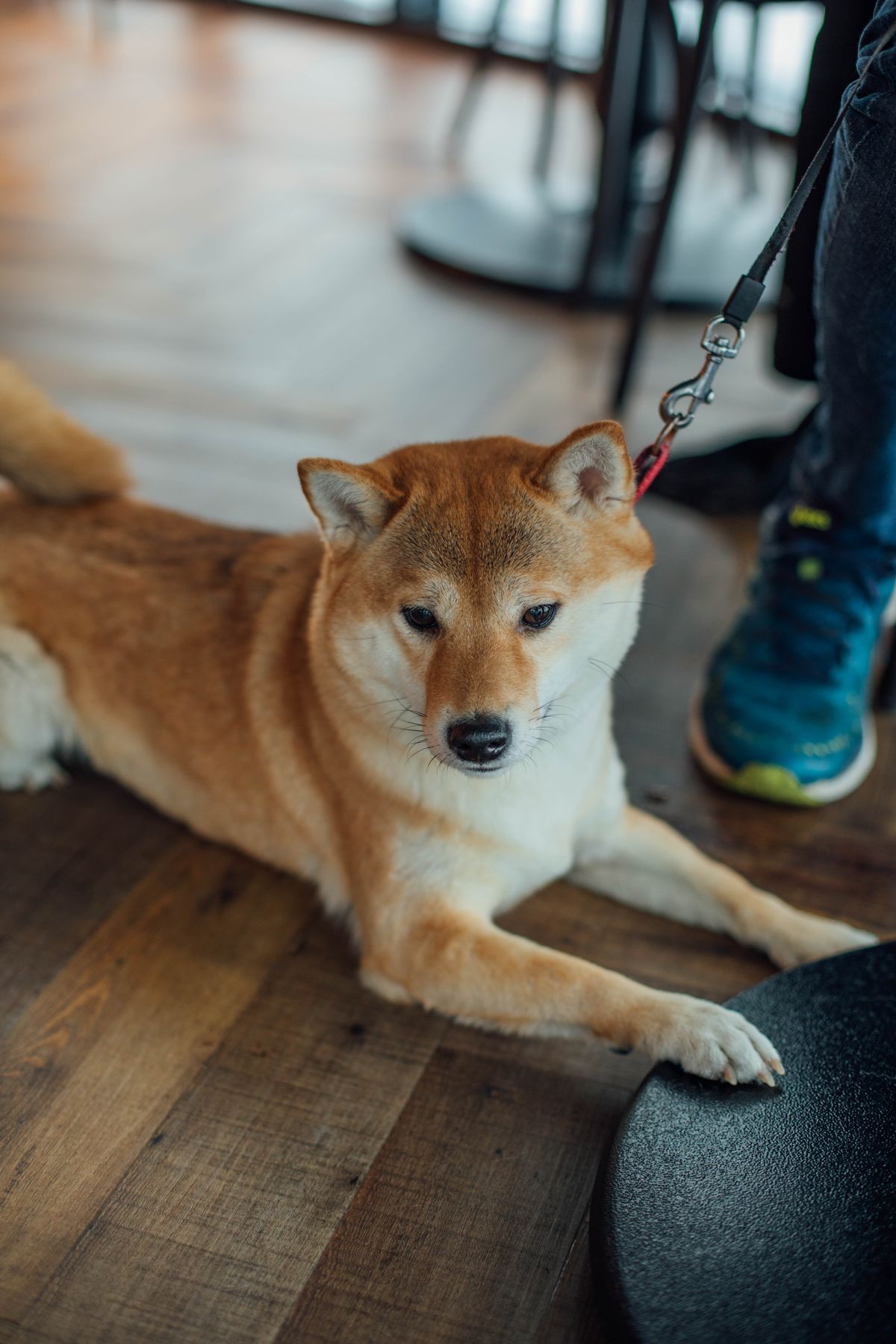
No single material wins every category. Tile is almost impossible for claws to scratch, but its hard, cool surface can be uncomfortable for older pets. Carpet offers grip and cushioning, but traps fur and is vulnerable to stains. The following scorecard helps narrow the field before we examine each material in detail.
| Flooring | Scratch resistance | Accident resistance | Traction | Cleaning | Best use |
|---|---|---|---|---|---|
| Textured LVP/SPC | Very good | Excellent | Good | Excellent | Best overall |
| Porcelain tile | Excellent | Excellent | Varies | Excellent | Maximum durability |
| Engineered hardwood | Fair–good | Fair | Good with matte finish | Good | Natural wood look |
| Water-resistant laminate | Very good | Good, not unlimited | Good | Very good | Budget wood look |
| Pet-rated carpet | No visible claw scratches | Fair | Excellent | Fair | Bedrooms, senior pets |
| Solid hardwood | Fair | Poor–fair | Varies | Good | Refinishable investment |
Scores assume a quality product and professional installation. A bargain LVP with a thin wear layer may perform worse than a premium laminate. A glossy porcelain tile may be less safe for an aging dog than textured engineered wood. Product specifications, finish, seams and installation details matter as much as the material name printed on the box.
The 7 Things Pet Owners Should Look For
1. Scratch and dent resistance
Claws usually create surface scratches rather than deep structural damage. Large dogs, fast turns and grit carried in on paws increase wear. Look beyond vague labels such as “pet-proof.” For LVP, compare wear-layer thickness and warranty exclusions. For laminate, check the abrasion class. For real wood, species hardness helps, but finish color and sheen often determine how visible a mark becomes. Light or medium natural tones, varied grain and matte finishes disguise everyday wear better than dark, uniform, glossy surfaces.
2. Water and stain resistance
A tipped bowl, wet paws or an overnight accident tests both the top surface and the seams. Porcelain and properly installed waterproof vinyl lead this category. Laminate products advertised as water-resistant usually allow limited surface exposure, not indefinite standing water. Wood can stain or cup when liquid penetrates its finish or joints. Carpet needs a stain-resistant fiber and a moisture-blocking backing or pad to keep accidents from reaching the subfloor.
3. Grip and traction
Traction is not merely about convenience. A slippery floor can make an older dog hesitate, splay its legs or avoid a room. Choose embossed or low-sheen surfaces and examine the sample under both dry and slightly damp conditions. Highly polished tile and glossy wood may photograph beautifully while creating poor paw grip. Runners with nonslip backing can create safe routes across hard flooring.
4. Comfort and sound
Tile is hard and can feel cold. Vinyl is slightly more resilient, particularly when paired with an approved underlayment. Wood feels warmer, while carpet provides the most cushioning and absorbs nail clicks. For a large open room, flooring acoustics can affect human comfort too. Sound-control underlayment may help, but it must match the product's installation requirements so the locking joints are not overstressed.
5. Easy, realistic maintenance
Pet hair collects in deep embossing, wide grout joints and plush carpet. Smooth does not have to mean slippery: a moderately textured plank is often the useful middle ground. Also check cleaning restrictions. A floor that requires specialty products or cannot tolerate the tools you already use may become frustrating. Steam can damage several flooring types and is not automatically safe just because the surface is labeled waterproof.
6. Indoor air quality
Pets spend more time close to the floor than people do. Ask for current, product-specific documentation on indoor emissions and adhesives rather than relying on a generic brand claim. Allow wet-applied finishes or adhesives to cure according to instructions, ventilate the space and keep animals away during the specified period. A reputable installer should be able to explain the system being used.
7. Repairability and lifetime value
A durable surface is only part of long-term cost. Solid hardwood can be sanded and refinished, while some engineered products can be refinished depending on veneer thickness. Floating planks may be individually replaceable, but accessing a damaged plank in the middle of a room can require disassembly from the nearest wall. Tile is durable yet a broken tile is easiest to replace when spare matching pieces were saved. Always keep an unopened box or a reasonable quantity of extra material.
1. Luxury Vinyl Plank: Best Overall for Most Dogs
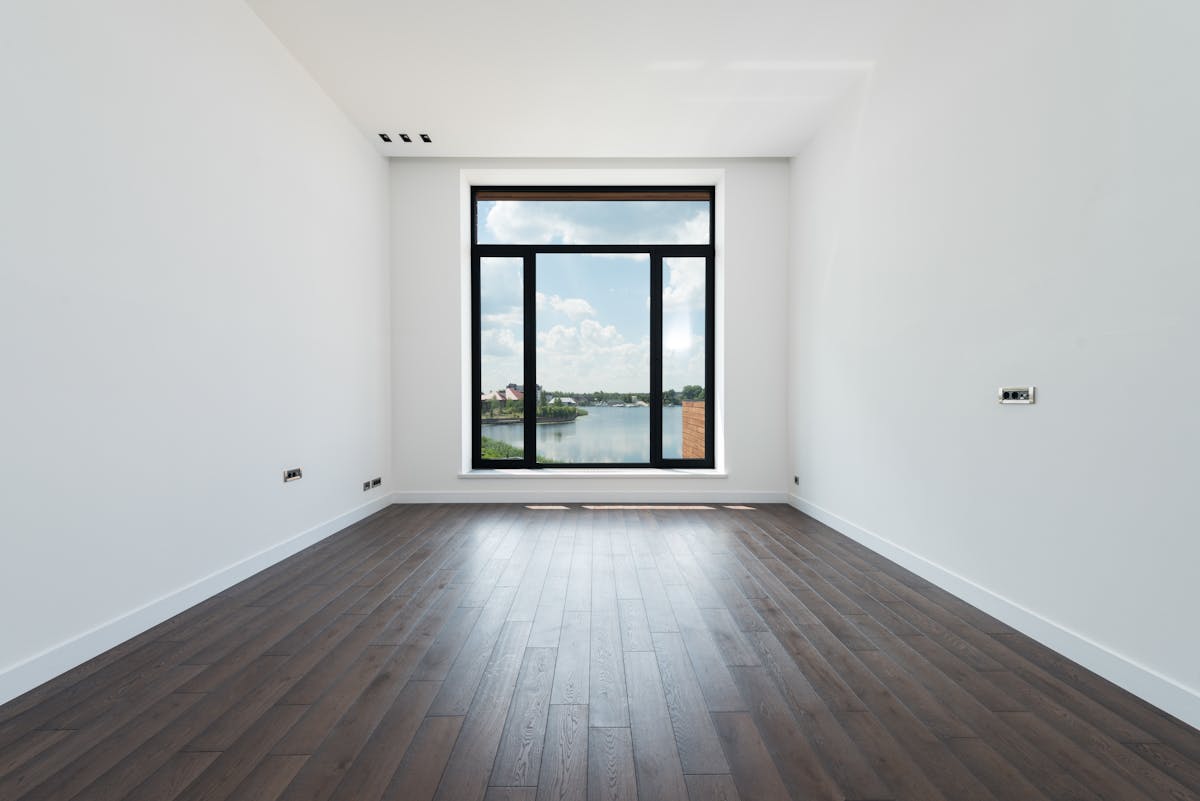
Quality luxury vinyl plank flooring earns the best-overall position because it addresses the broadest set of pet-owner concerns. A well-made SPC or rigid-core plank resists water at the material level, handles routine claw traffic, wipes clean and offers wood visuals without wood's sensitivity to standing moisture. It works particularly well in kitchens, mudrooms, family rooms and finished basements.
Do not buy by appearance alone. For an active pet household, compare the wear layer, total plank construction, locking system, surface texture and warranty. A 20-mil wear layer is a common target for busy homes, but thickness alone does not measure coating quality. A slightly embossed, matte surface can provide better grip and conceal small scuffs. Extremely deep texture may hold dirt, while very smooth products can be slippery.
LVP is water-resistant or waterproof as a product, but the room is not magically waterproof. Water may still travel through perimeter gaps, transitions or damaged seams and affect wood subfloors below. Flatness and moisture testing remain essential. A poorly prepared subfloor can cause movement, clicking, broken joints and visible high spots. That is why working with an experienced local flooring company matters even for a click-lock product.
2. Porcelain Tile: Best for Maximum Scratch and Water Resistance
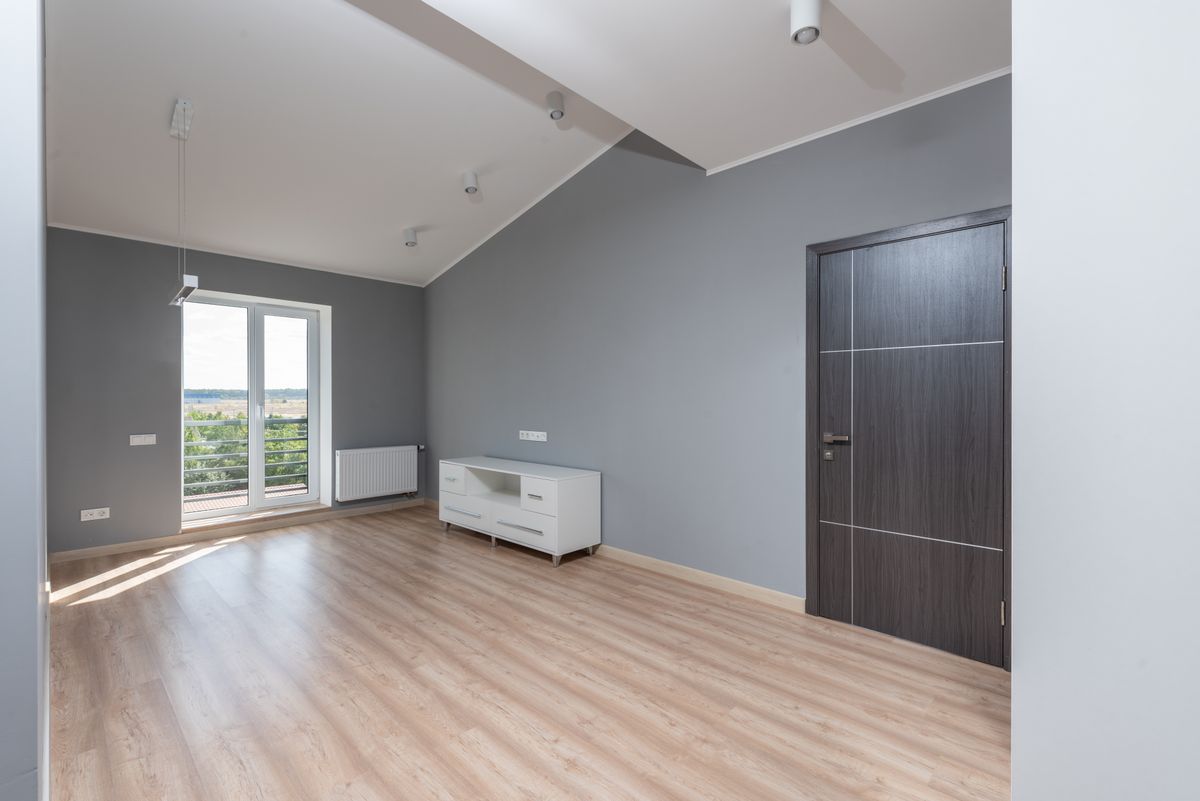
If your priority is resisting claws, mud, spills and repeated cleaning, porcelain tile flooring is the durability leader. Quality porcelain is dense, does not absorb much water and is extremely difficult for dog nails to scratch. Wood-look tile can create a plank appearance, while large-format stone looks reduce the number of grout lines.
Tile's weaknesses relate to comfort and installation. A polished surface can be slick. The hard floor is unforgiving for joints and noisy under nails, and dropped bowls may break. Choose a textured or matte finish, use washable nonslip rugs at feeding and resting areas, and provide a supportive bed. Epoxy or stain-resistant grout can simplify cleanup, while narrower properly filled joints give urine and dirt fewer places to collect.
Installation quality determines whether tile lasts. The substrate must be stable and flat, movement needs to be managed and tiles require proper coverage. Richmond-area houses with older framing may need evaluation before large-format tile is installed. Tile also feels cool in winter, though that can be welcome during Virginia summers.
3. Engineered or Solid Hardwood: Best Natural, Refinishable Choice
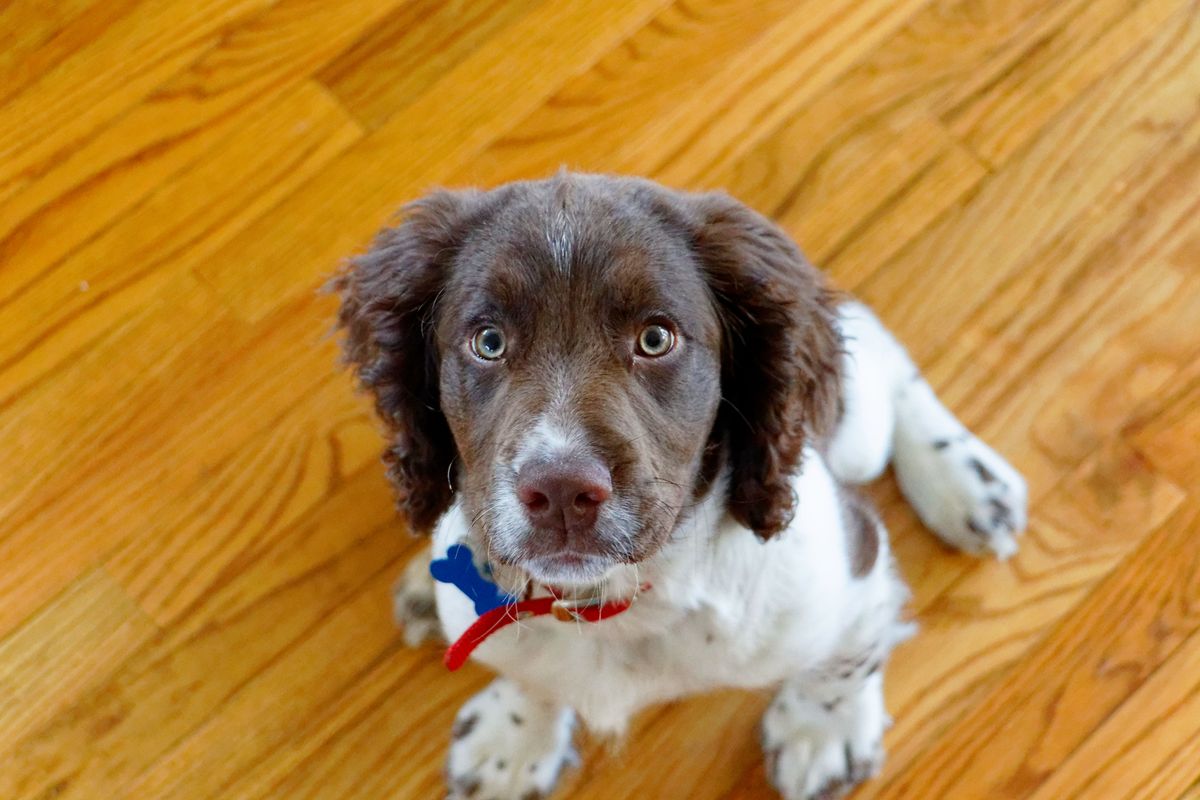
Real wood can absolutely work in a dog-friendly home when expectations are realistic. Its warmth, natural variation and long-term repairability remain compelling. For many Richmond homes, engineered hardwood offers better dimensional stability through seasonal humidity changes, while solid hardwood provides greater refinishing potential over a long service life. Explore both with Del Carlo's hardwood installation team.
Species and finish influence performance. White oak, hickory and hard maple generally resist dents better than softer woods, but hardness does not make any wood claw-proof. Wire-brushed texture, natural grain, low sheen and light-to-medium color make wear less visible. Dark espresso finishes and high gloss reveal dust, hair and scratches quickly. A quality factory finish may offer strong surface protection; site-finished floors offer custom color and a more continuous finished surface.
Clean accidents immediately. Urine that enters seams or worn finish can darken wood, create odor and require board repair. Place a waterproof mat below bowls without trapping moisture beneath it, trim nails regularly and use runners where dogs launch, turn or race. When wear accumulates, professional sanding and refinishing can restore a compatible wood floor rather than sending the entire material to disposal.
4. Water-Resistant Laminate: Best Budget Scratch Resistance
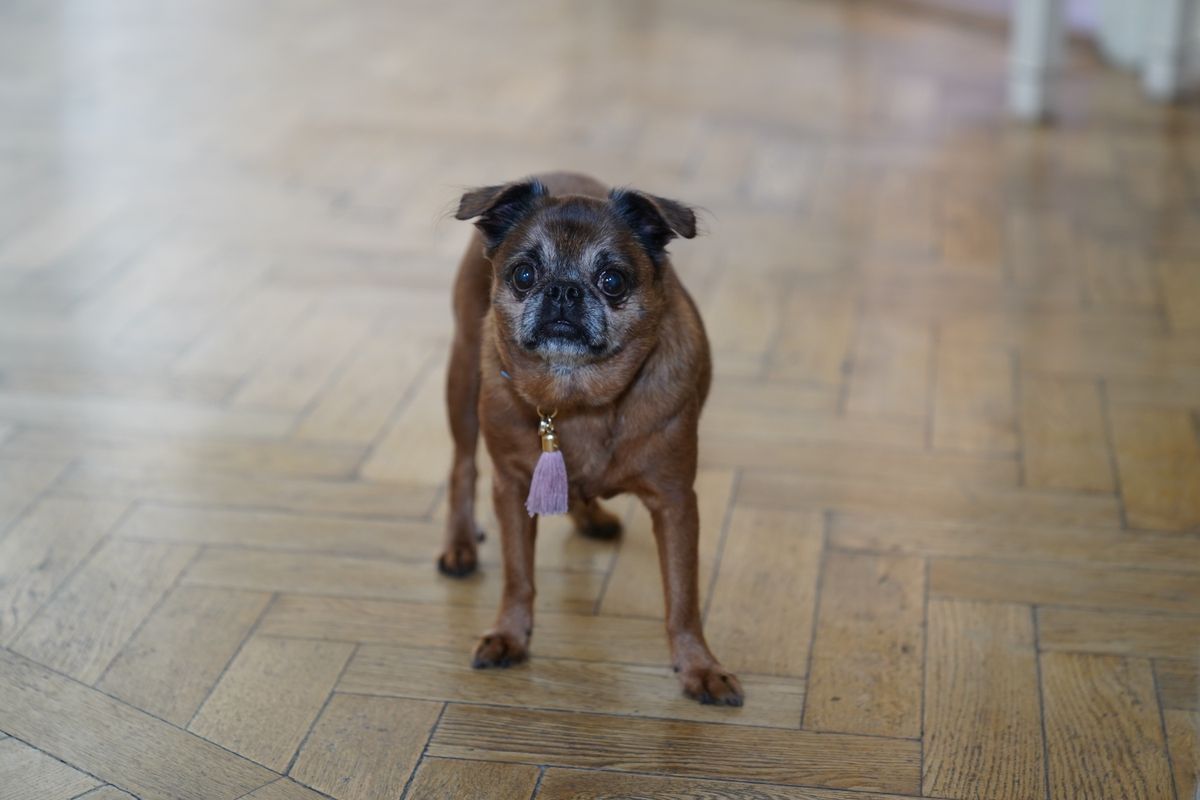
Modern laminate deserves consideration when scratch resistance and a realistic wood visual matter more than complete waterproofing. Its hard wear surface can stand up well to claws, and many products deliver sharp wood-grain imagery at a lower material price than genuine hardwood. It is easy to sweep and generally resists pet hair accumulation.
The core is the important limitation. Most laminate uses a wood-fiber core that can swell if water gets through seams or remains beyond the product's rated exposure window. “Waterproof” language should be checked against the written warranty. In a reliably dry living room or bedroom with a house-trained pet, laminate can be excellent. For a puppy area, laundry room or water-bowl zone, LVP or tile provides a larger margin for error.
Look for a strong abrasion rating, sealed edges, a textured low-gloss surface and a reputable warranty that does not exclude every pet-related scenario. As with floating LVP, subfloor flatness and perimeter expansion space are essential. Del Carlo installs laminate through its vinyl plank and laminate service.
5. Pet-Friendly Carpet: Best Grip and Comfort
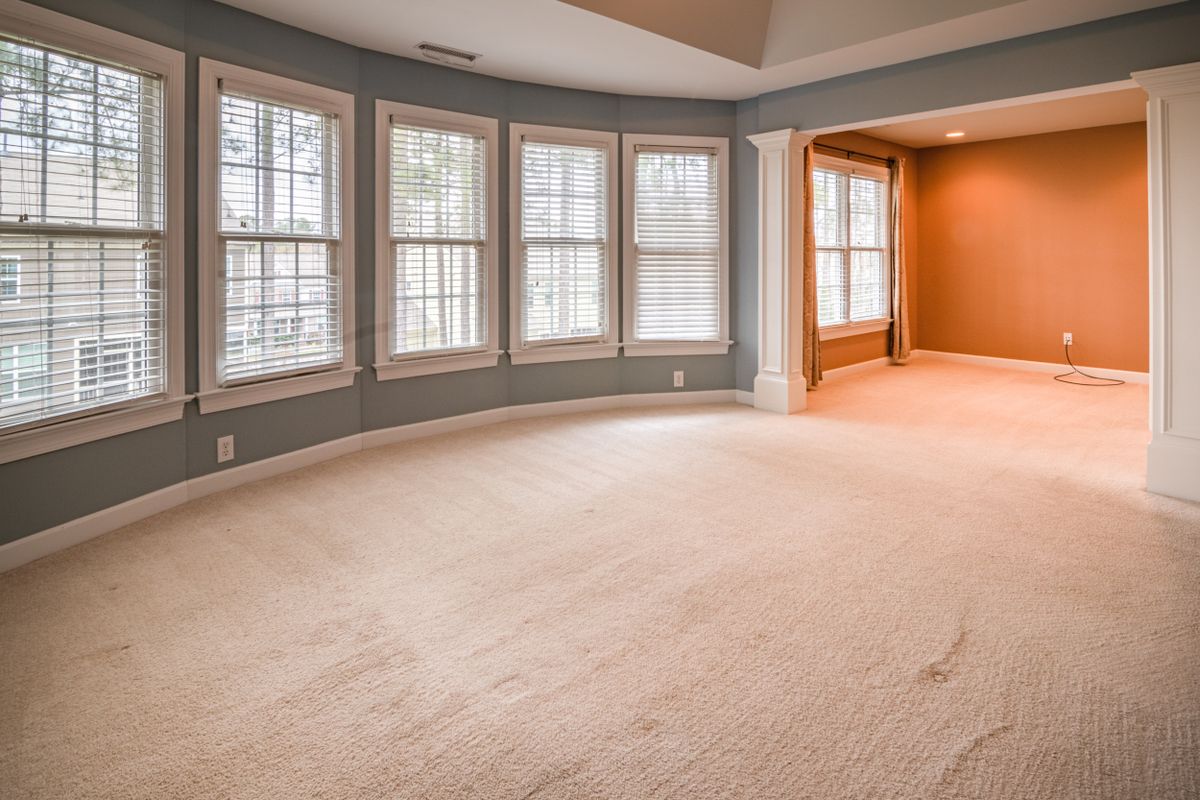
Pet-friendly carpet is not the easiest surface to clean, but it leads in traction, warmth, quiet and cushioning. Those advantages matter for senior dogs, pets recovering from surgery and animals anxious on hard surfaces. Carpet also absorbs sound in bedrooms, upstairs rooms and stairs.
Choose dense, low-pile carpet with solution-dyed or strongly stain-resistant fiber, and avoid loose loops that claws can snag. A moisture-resistant backing and appropriate pad can slow spills from reaching the subfloor, but no carpet system makes delayed cleanup harmless. Seams and edges require proper installation, and regular vacuuming with a machine suited to the pile keeps fur and dander under control.
Carpet works best as part of a room-by-room plan: durable hard surface in kitchens, entries and main circulation paths, with carpet in bedrooms or a quiet pet retreat. If allergies, frequent accidents or muddy outdoor access dominate your household, use washable area rugs over hard flooring instead.
Best Flooring by Your Dog's Size, Age and Lifestyle
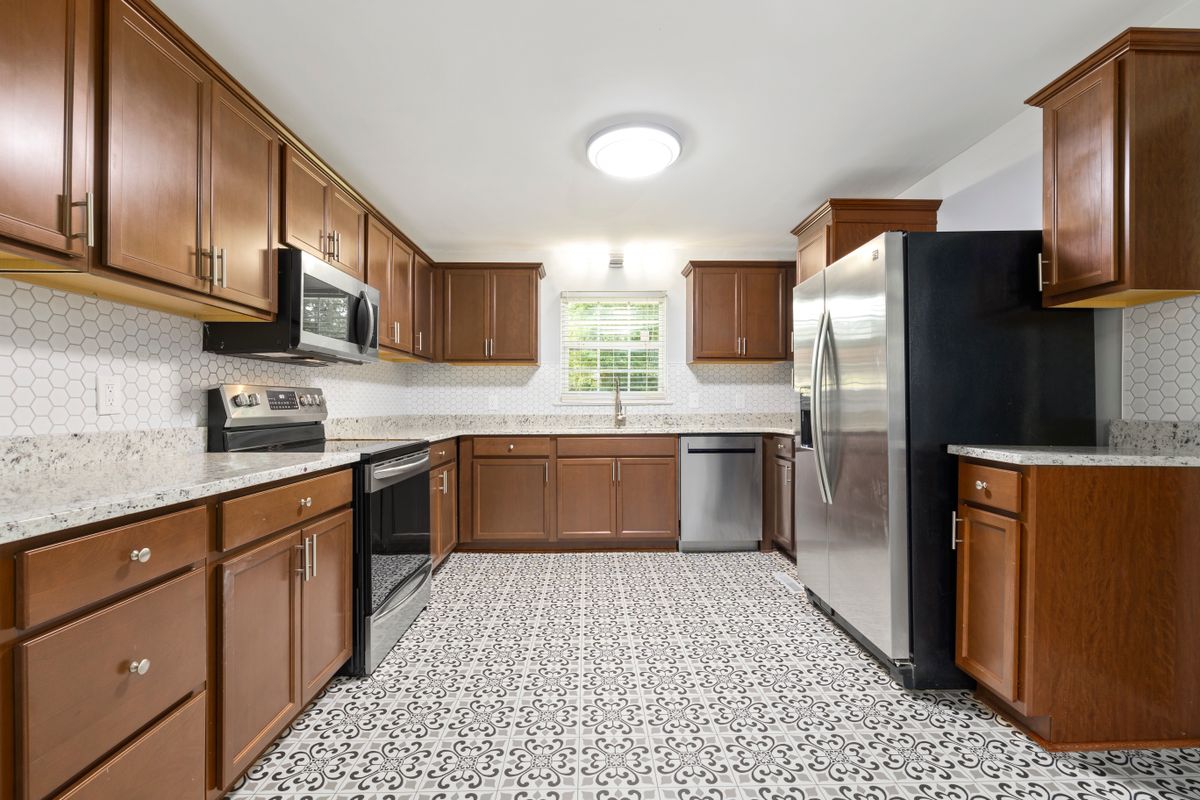
Puppies and newly adopted dogs
Plan for accidents even when training goes well. Waterproof LVP or porcelain tile makes cleanup less stressful. Use washable mats near doors, bowls and crates, and avoid absorbent flooring until the pet's routine is reliable. Choose a finish with enough texture for sudden play without becoming difficult to mop.
Large and active dogs
Weight, speed and sand caught under paws amplify scratches. Porcelain tile provides maximum surface resistance; quality SPC-core LVP offers an easier balance of durability, sound and comfort. If choosing wood, select natural grain, a harder species and matte finish, then place runners at high-energy turn zones.
Senior dogs
Traction is the priority. A floor can remain technically undamaged yet be wrong for a pet that cannot walk confidently. Textured LVP or low-pile carpet works well, while nonslip runners can connect beds, bowls and doors across existing floors. Keep nails and paw fur trimmed and consult a veterinarian if slipping or gait changes appear suddenly.
Cats and multi-pet households
Cats typically cause less impact damage but introduce litter grit, shedding and occasional marking. Smooth, sealed floors simplify sweeping. Place a generous litter-catching mat outside the box and clean liquid promptly. For several pets, a continuous LVP installation across connected common spaces reduces transitions and makes cleaning routines faster.
What Richmond's Climate and Homes Change
Central Virginia experiences humid summers, seasonal indoor humidity changes and heavy rain events. Wood products naturally respond to moisture, and fiberboard-core products can be damaged by water reaching their edges. Product acclimation, HVAC operation and subfloor moisture testing should be treated as installation requirements, not optional upgrades.
Housing conditions vary across the area. Older homes in The Fan, Museum District and Church Hill may have uneven boards, previous repairs or multiple flooring layers. Basements in Richmond and Henrico need careful moisture evaluation. Newer homes in Midlothian, Short Pump and Chesterfield can still have slab flatness or construction-moisture issues. A free site evaluation lets the installer recommend preparation before material is ordered.
Room exposure matters too. A shaded basement with pet access faces different risks than a second-floor bedroom. A kitchen opening to a muddy backyard needs water tolerance and rapid cleanup. Del Carlo serves homeowners throughout Richmond, Henrico, Chesterfield, Midlothian, Glen Allen and surrounding Central Virginia communities.
Best Flooring Colors and Finishes for Hiding Pet Hair
The most forgiving floor is usually light-to-medium in value, matte or low-sheen, and visually varied. Natural oak tones, subtle stone patterns and multi-tonal planks disguise dust, paw prints and minor scuffs. Very dark floors show pale hair and dust; nearly white floors highlight dark hair and mud. A color close to your pet's coat reduces visible shedding between cleanings, though practical performance should still come first.
Texture should be balanced. Hand-scraped or embossed surfaces hide scratches, but deep grooves hold hair and grime. Wide grout lines also demand more maintenance than narrower properly specified joints. Bring a flooring sample home, place a small amount of clean brushed pet hair on it and view it in morning and evening light. This simple test reveals more than a perfect showroom display.
How to Protect and Clean Pet-Friendly Floors
- Trim nails regularly. Short, smooth nails reduce scratching and improve traction.
- Catch grit at the door. Use washable entry mats and wipe muddy paws before sand acts like abrasive paper.
- Clean accidents immediately. Blot first, then use a cleaner approved by the flooring manufacturer. Avoid flooding seams.
- Protect bowl areas. A waterproof, nonslip mat catches splashes. Lift and dry beneath it regularly so moisture is not trapped.
- Vacuum or sweep often. Removing hair, litter and grit prevents abrasive traffic and improves indoor cleanliness.
- Skip unapproved chemicals and steam. Harsh products can dull finishes, damage coatings or affect adhesives. Follow the product care guide.
- Use runners strategically. Protect stairs, hallways and turn zones while improving grip. Secure every rug with a pet-safe nonslip backing.
- Keep spare material. Save matching planks or tiles in a dry, conditioned location for future repairs.
Routine care is more effective than aggressive deep cleaning. A gentle approved cleaner used promptly protects coatings and joints better than repeatedly soaking the floor. If odor persists after an accident, the liquid may have reached the pad or subfloor; masking it from the top will not solve the source.
7 Common Mistakes Pet Owners Make When Buying Flooring
- Believing “pet-proof” means indestructible. Read the written warranty, exclusions and care requirements.
- Choosing only by scratch resistance. Water, traction, cleaning and comfort may matter just as much.
- Buying a glossy floor. High sheen can reveal every paw print and offer less confident grip.
- Ignoring the subfloor. Even premium flooring can fail over moisture, movement or poor flatness.
- Using one material everywhere. A whole-home plan may combine durable common-area flooring with softer bedroom surfaces.
- Skipping take-home samples. Test hair visibility, paw grip, texture and color in the actual room.
- Choosing the lowest bid without scope details. Compare removal, disposal, preparation, transitions, trim, furniture handling and cleanup—not just a single total.
How Del Carlo Helps You Choose and Install the Right Floor
Pet-friendly performance begins before installation day. Del Carlo Flooring follows a practical process designed around the house, occupants and intended material:
- Free project conversation: We learn about the rooms, pets, priorities, style, budget and timeline.
- On-site evaluation: We measure, inspect the existing flooring and subfloor, and identify moisture or preparation concerns.
- Material comparison: We explain realistic tradeoffs among LVP, laminate, tile, hardwood and carpet without treating one product as right for every home.
- Clear written scope: The estimate identifies installation, removal, preparation and finishing details so choices can be compared fairly.
- Professional preparation and installation: The crew follows layout, acclimation, expansion and product-specific requirements.
- Final walkthrough: We review the finished work and practical care expectations before the project closes.
Learn more about Del Carlo Flooring, explore our flooring and remodeling services, or contact the team for a free, no-pressure estimate.
Frequently Asked Questions About Flooring for Dogs
What is the best flooring for dogs?
For most dog owners, quality textured luxury vinyl plank is the best all-around choice because it combines water resistance, scratch resistance, easy cleaning and a more forgiving feel than tile. Porcelain tile leads for pure durability, while engineered hardwood suits homeowners who prioritize authentic wood.
What flooring is most scratch-resistant for large dogs?
Textured porcelain tile offers the strongest resistance to claw scratches. Quality SPC-core luxury vinyl plank with a robust wear layer is a warmer, quieter alternative that performs well with large, active dogs. No manufacturer's surface should be described as completely scratch-proof.
Is luxury vinyl plank safe for dogs?
LVP can be a practical pet-friendly floor when selected carefully. Ask for product-specific indoor-air documentation, choose a textured low-gloss finish, use the specified installation materials and observe curing or ventilation directions. Pets should remain away from the work area during installation.
Is hardwood or laminate better for pets?
Water-resistant laminate often resists surface scratches better and costs less, while hardwood offers authentic natural character and can be refinished. Neither should be treated as fully waterproof. Hardwood is the long-term, repairable choice; laminate is the lower-maintenance budget choice for reliably dry rooms.
What floor is best for senior dogs?
Senior dogs benefit from traction and some cushioning. Textured LVP, low-pile carpet in dry rooms and strategically placed nonslip runners can reduce slipping. Avoid polished hard surfaces across frequently traveled paths, and provide a supportive resting bed.
Does dog urine ruin flooring?
Urine can stain wood, swell fiberboard-based laminate, penetrate carpet padding and discolor porous grout if it sits. Waterproof LVP and properly installed porcelain tile tolerate accidents best, but every spill should still be cleaned promptly with a product-approved cleaner.
What color flooring hides pet hair and scratches?
A light-to-medium matte floor with natural grain or pattern variation usually hides hair, dust and minor scratches better than a very dark, very pale or high-gloss floor. A tone near your pet's coat can make shedding less noticeable between cleanings.
Can Del Carlo Flooring help choose pet-friendly flooring in Richmond?
Yes. Del Carlo Flooring provides free, no-pressure estimates and helps Richmond-area homeowners compare pet-friendly LVP, tile, hardwood, laminate and carpet based on the household, rooms, existing subfloor, style and budget.
Get a Free Pet-Friendly Flooring Estimate in Richmond, VA
The best flooring for dogs is not just the toughest sample. It is the floor that handles your pet's real routine, fits the room, supports safe movement, meets your maintenance expectations and is installed correctly over the conditions in your home. For most households, textured quality LVP provides the strongest overall balance. Porcelain tile wins on maximum durability, engineered hardwood provides authentic and repairable beauty, laminate stretches the budget and pet-rated carpet gives senior animals valuable comfort.
Del Carlo Flooring is a local, family-owned flooring and remodeling company serving Richmond and Central Virginia. Visit our About page, browse our flooring services, or request your free estimate today. We will help you compare options honestly and build a clear scope for a floor both you and your pets can enjoy.
Explore Del Carlo Flooring Services in Richmond, VA
Choose the right material, preparation and professional installation for every room in your pet-friendly home.