LVP vs. Laminate Flooring: Which Is Better for Your Home?
Compare water resistance, durability, comfort, appearance, cost and everyday performance before choosing your next wood-look floor.
Get a Free Flooring EstimateLVP vs. Laminate: The Quick Answer
Choose luxury vinyl plank when water resistance, easy cleanup and flexible room placement are your priorities. Choose laminate when you want a firm wood-like feel, excellent resistance to everyday surface scratches and detailed wood visuals at an approachable price. Neither category is automatically better. A premium laminate can outperform bargain LVP, and a well-built LVP can be far more dependable than a thin product chosen only for its color.
LVP vs. laminate flooring is one of the most searched comparisons because the products appear similar in a showroom. Both are sold as planks. Both can imitate oak, hickory, walnut and other species. Both often use click-lock installation, and both generally cost less than traditional hardwood. Once they are inside a real house, however, their construction creates meaningful differences in moisture performance, sound, comfort, repair and long-term value.
Luxury vinyl plank, commonly shortened to LVP, is a resilient floor built with vinyl-based layers, a printed design and a transparent wear surface. Laminate flooring usually combines a dense wood-fiber core, a printed decorative layer and a hard protective top. The first product is resilient and highly moisture tolerant; the second feels firm and derives much of its character from a rigid wood-based panel.
Richmond homes make this decision especially interesting. Our region combines humid summers, conditioned winters, older wood subfloors, concrete slabs, finished basements, busy entryways and many homes with children or pets. The correct answer changes from one room to another. This guide examines the details that marketing labels leave out so you can compare actual products rather than broad promises.
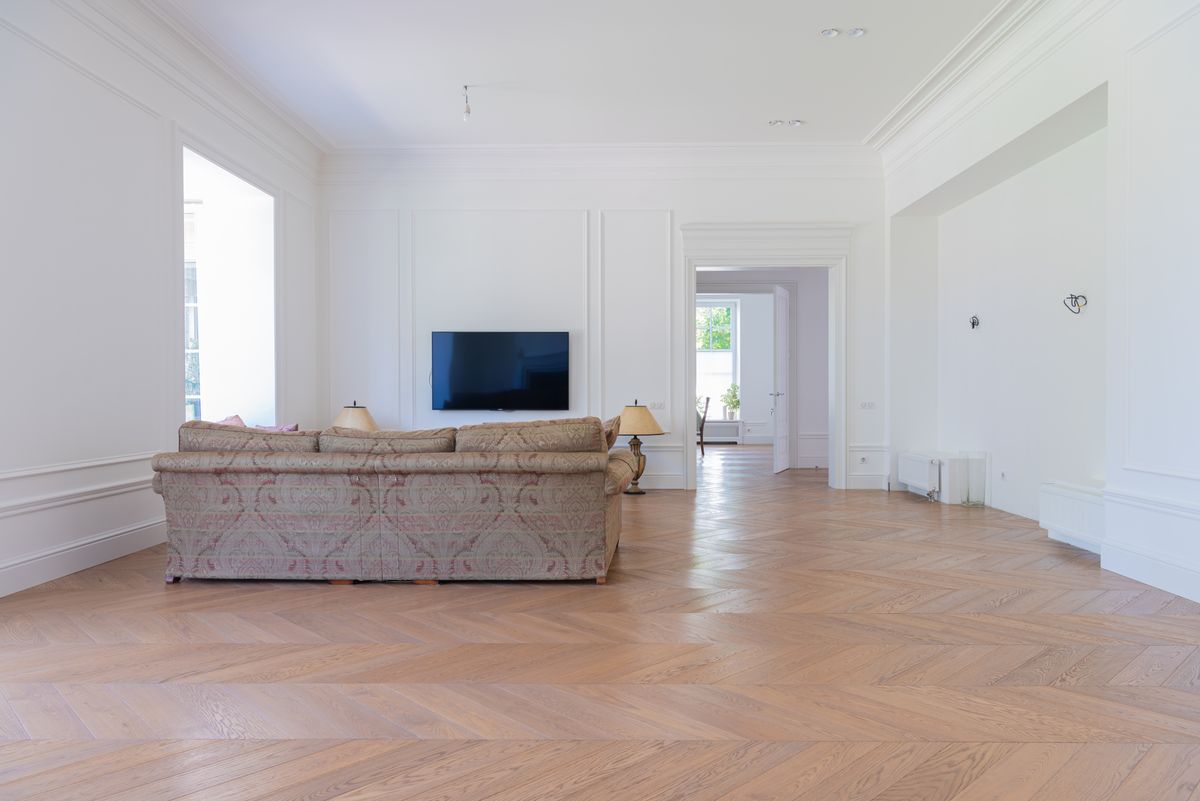
LVP and Laminate Flooring Comparison
The table below describes common tendencies, not guarantees. Specifications vary dramatically. Always compare the exact wear layer, overall thickness, core density, edge treatment, warranty exclusions and installation requirements of the collections you are considering.
| Feature | Luxury vinyl plank | Laminate flooring |
|---|---|---|
| Core material | Vinyl composite or rigid polymer/mineral core | High-density wood-fiber core |
| Surface water | Usually excellent resistance | Varies from standard to water-resistant |
| Scratch performance | Depends on wear layer and finish | Often very strong against routine scratches |
| Underfoot feel | Slightly resilient | Firm and wood-like |
| Sound | Can be quiet with suitable backing | Can sound hollow without proper underlayment |
| Repair | Individual plank replacement may be possible | Individual plank replacement may be possible |
| Refinishing | Cannot be sanded | Cannot be sanded |
| Best fit | Moisture-prone and busy spaces | Dry living spaces and bedrooms |
The greatest mistake is comparing only the price per square foot. Flooring performance depends on the complete assembly: the decorative plank, underlayment, vapor protection, transitions, expansion space, substrate preparation and installer workmanship. A less expensive box may require more floor leveling or separate underlayment. A thicker plank may feel impressive in the hand but still have weak locking joints. The installed system is what your family lives on.
How LVP and Laminate Are Made
Luxury vinyl plank construction
Most LVP starts with a backing or attached pad, a structural core, a high-resolution design film and a transparent wear layer. Rigid-core versions may use stone-polymer or wood-polymer formulations to increase dimensional stability. Manufacturers then add texture, bevels and protective coatings. The wear layer protects the image from traffic; it is not the entire thickness of the plank.
The locking profile is crucial. A plank can advertise a substantial wear layer yet fail if brittle edges break during installation or if an uneven subfloor repeatedly flexes the joints. Dimensional stability also matters near sunny windows. Product instructions commonly specify limits for temperature, direct heat, room dimensions and fixed cabinetry. “Waterproof plank” never means that every installation detail can be ignored.
Laminate flooring construction
Laminate typically uses a balancing layer beneath a high-density fiberboard core. Above the core sits a photographic design and a hard melamine-based wear surface. Modern printing and registered embossing can align texture with visible grain, producing knots, pores and saw marks that feel surprisingly natural. Edge bevels help distinguish individual boards.
The core gives laminate its solid feel, but wood fiber can be vulnerable when water enters an unprotected seam. Water-resistant collections address this risk with tighter joints, treated edges and improved surface systems. Those upgrades buy cleanup time; they do not turn the room into a swimming pool. Installation instructions still control where the product can be used and how quickly standing water should be removed.
Which Is More Waterproof?
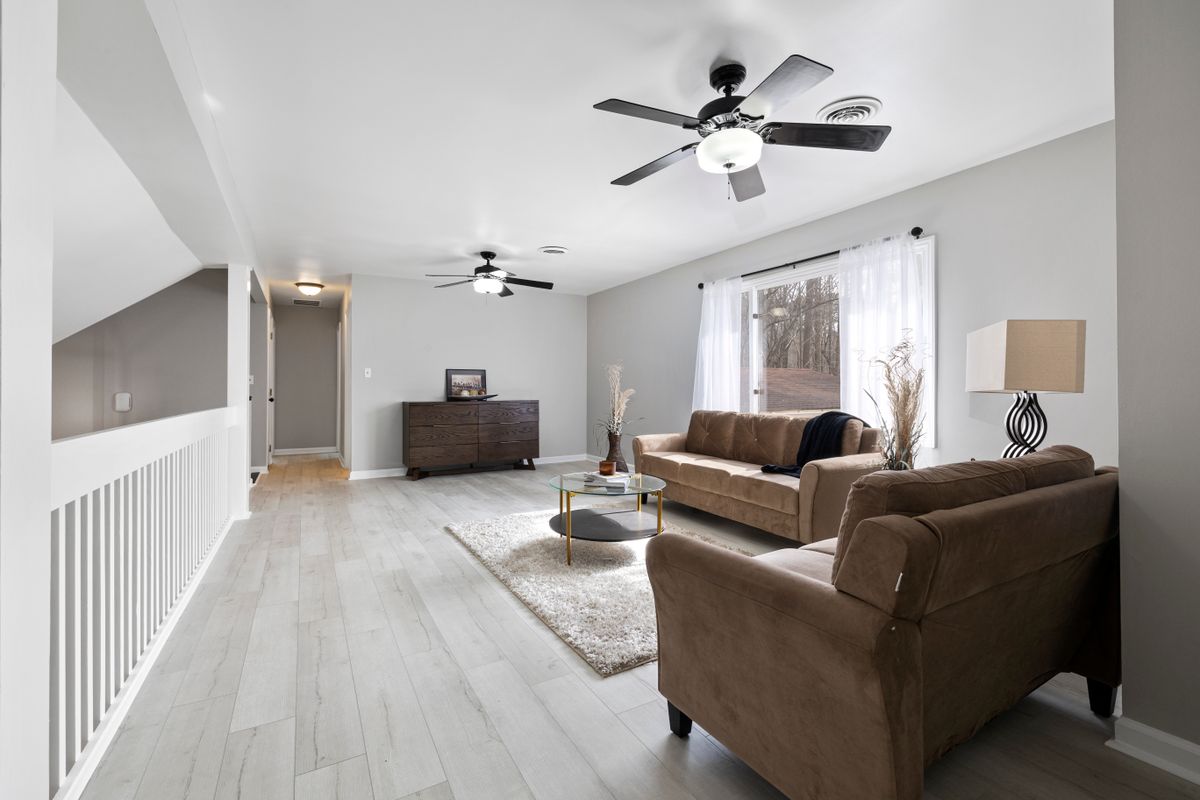
LVP usually wins the moisture comparison. Its principal layers do not swell like a conventional wood-fiber core, making it a practical candidate for kitchens, laundry rooms, mudrooms and many finished basements. Spills can generally remain on the surface long enough for normal cleanup without damaging the plank itself. That advantage explains much of LVP’s popularity in active households.
The word waterproof needs context. Water can travel through perimeter gaps, floor vents, transitions or damaged joints and reach the subfloor. A leaking dishwasher can trap moisture beneath the floor even when the planks look unchanged. Concrete moisture can affect adhesives, underlayments and indoor conditions. No floating floor replaces leak repair, drainage or correct moisture testing.
Water-resistant laminate has improved substantially. Many current collections use sealed edges and locking systems intended to resist topical spills for a stated period. This can be enough for dining rooms, living areas and households that clean accidents promptly. It is less reassuring around repeated wet shoes, overflowing appliances or a bathroom where water regularly escapes the tub.
For either material, read the written warranty instead of relying on the carton headline. Look for exclusions involving standing water, flooding, appliance leaks, wet mopping, steam cleaners, bathrooms and below-grade rooms. The warranty reveals how the manufacturer defines its claims. A professional recommendation should match those limitations to the room’s real risks.
Durability, Scratches and Dents
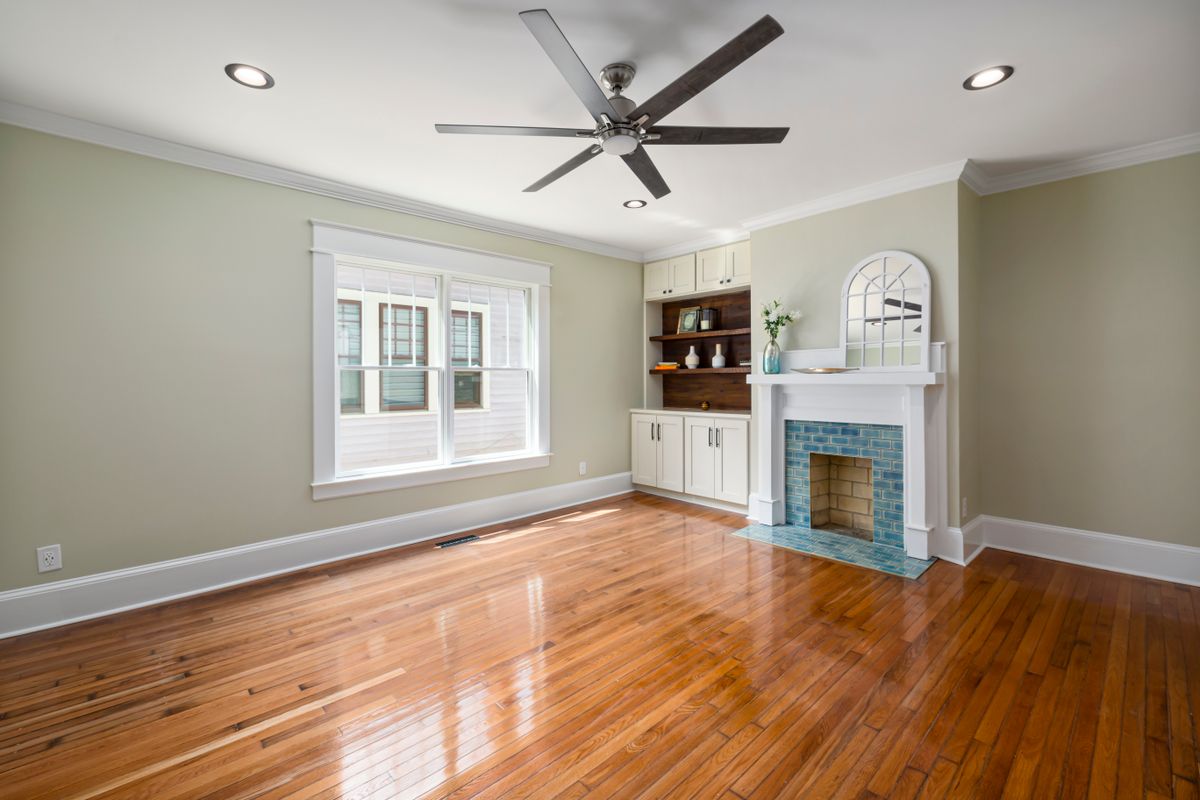
Laminate often earns high marks for resistance to fine surface scratches. Its hard top layer can perform well under chairs, toys, dog nails and tracked grit. Some products publish abrasion classifications, but shoppers should not treat one rating as the entire story. Joint strength, edge sealing, impact resistance and the quality of the decorative surface matter too.
LVP durability is closely connected to its wear layer and factory coating. Quality residential LVP can handle busy kitchens, hallways and family rooms, but softer resilient surfaces may show cuts or dents from sharp objects and concentrated furniture loads. Felt protectors, suitable chair mats and broad furniture cups help both floors. Moving a refrigerator without protective panels can damage either category.
Scratches are only one kind of wear. A dark, glossy floor may show dust and micro-abrasions more readily than a matte mid-tone floor. Strong embossing can hide daily evidence but may hold grime if cleaning is neglected. Extremely wide planks can make subfloor variations more noticeable. Durability therefore includes how gracefully a selected color and texture age, not merely whether the surface remains technically intact.
Neither LVP nor laminate can be refinished like real hardwood. When the image layer is deeply damaged, the usual repair is plank replacement. Save unopened material from the original production run because colors and locking profiles change. If a floating floor is trapped beneath permanent cabinets or multiple rooms run without planned transitions, reaching one damaged plank can become complicated.
Which Looks More Like Real Hardwood?
Laminate historically held an advantage in crisp wood imagery because its manufacturing process supports detailed printing and deep texture. Premium laminate still provides impressive embossed-in-register surfaces where tactile grain follows the printed pattern. Its firm feel can also resemble a traditional wood floor more closely when the subfloor is flat and the underlayment is appropriate.
Premium LVP has narrowed the visual gap. Better collections use varied plank images, low-sheen coatings, painted bevels and long formats that avoid the plastic appearance associated with early vinyl. The most convincing floor is rarely the one with the busiest grain. Natural wood contains quiet boards as well as dramatic ones, so balanced variation tends to look more believable across a full room.
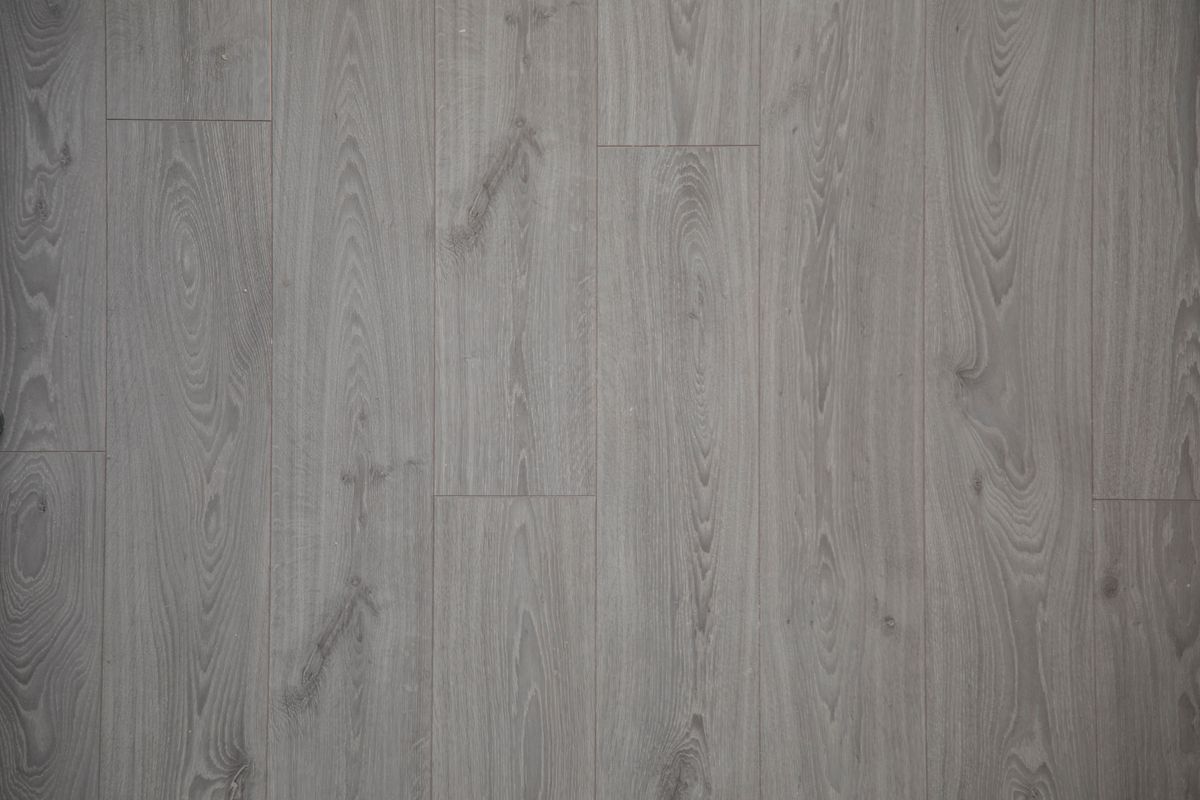
Lay several planks together before deciding. One sample cannot reveal pattern repetition. View the material upright and flat, in daylight and artificial light. Warm bulbs can push gray flooring toward brown; cool LEDs can emphasize blue undertones. Compare the floor with cabinets, countertops, paint and existing woodwork. A technically realistic plank can still clash with the architecture.
Comfort, Noise and Indoor Air
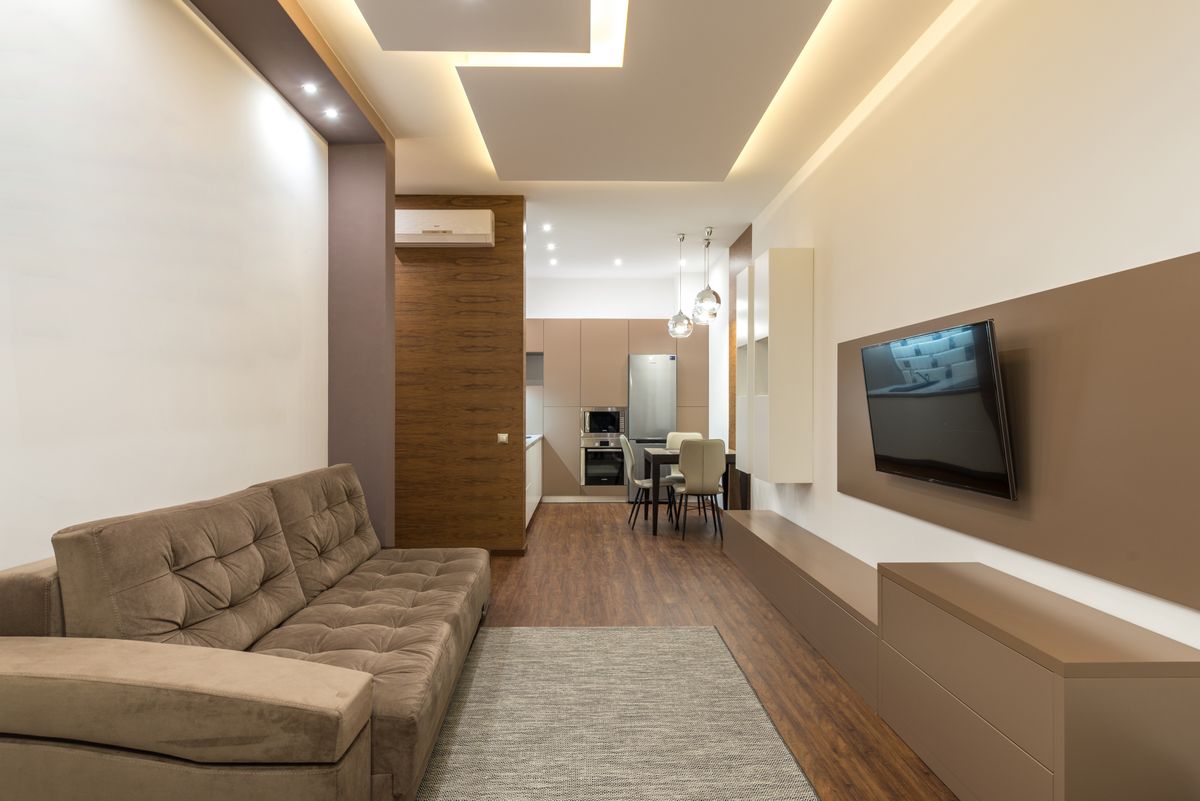
LVP feels slightly softer and warmer than tile, though core and attached pad change the experience. Laminate usually feels firmer. Either floating floor can sound hollow when installed over an uneven substrate or paired with unsuitable underlayment. Thicker is not automatically quieter; density, pad design, room acoustics and contact with the subfloor all contribute.
Do not add underlayment without checking instructions. A plank with attached pad may prohibit an additional soft layer because excess movement can stress locking joints. Condominium or multifamily projects may require documented sound ratings for the complete assembly. Stair installations and glued areas have separate details that should be planned before materials arrive.
Indoor-air questions deserve product-specific answers. Ask for third-party emissions documentation, review adhesive requirements and plan ventilation during installation. The U.S. EPA advises considering low-emitting hard-surface flooring and low-VOC installation materials rather than assuming every product in a broad category performs identically. For laminate, composite-wood compliance and credible emissions certification are useful parts of comparison. For resilient flooring, FloorScore or equivalent documentation may help evaluate emissions.
Odor alone is not a reliable measure of safety, and a “low VOC” marketing phrase is not a substitute for documentation. Sensitive occupants should discuss the exact plank, pad, adhesive, patching compound and cleaner. Installation sequencing also matters: paint, adhesive and cabinetry work performed simultaneously can combine odors that are difficult to attribute afterward.
Cost and Long-Term Value
LVP and laminate occupy overlapping price ranges. Entry-level products compete aggressively, while premium collections can approach the cost of engineered wood. Material price is only one line in the estimate. Removal, disposal, furniture moving, moisture mitigation, floor leveling, trim, transitions, stairs and appliance handling can meaningfully change the total.
A cheap product can be expensive if its joints break, its pattern looks repetitive or replacement requires another round of labor. Conversely, the most expensive plank may be unnecessary in a low-traffic guest room. Value comes from matching performance to exposure. Spend strategically on kitchens, entries and large continuous spaces where failure would be disruptive.
Think about ownership horizon. If you plan to stay for years, choose a style broad enough to survive design trends and a construction that suits household changes. If preparing a property for sale, a clean professional installation in a neutral color may matter more than a niche premium feature. Neither floor carries hardwood’s refinishing story, but both can improve a dated interior when transitions and trim are handled well.
Ask whether the estimate includes substrate tolerances, moisture testing and required preparation. Vague allowances create surprises. A clear scope should describe what is visible now, what may be discovered after removal and how additional preparation is approved. Installation quality often produces a greater return than upgrading one product tier while ignoring the base.
Best Flooring by Room
Kitchen
LVP is usually the safer default because kitchens combine spills, appliance leaks, dropped utensils and constant traffic. Select a matte textured surface with secure joints. Water-resistant laminate may work when the manufacturer approves kitchens and the household cleans quickly, but review leak exclusions carefully.
Bathroom and laundry
Approved LVP generally has the advantage. Perimeter details, toilet removal, appliance movement and transitions still require care. A floating floor should not be used to conceal an active moisture problem. Tile remains another strong bathroom option when full wet-area performance and long service life are priorities.
Living room and bedrooms
Both materials can excel. Laminate’s firm feel and detailed texture are attractive in dry living spaces. LVP offers easy maintenance and consistent flow from adjacent kitchens. In upper bedrooms, evaluate sound and underlayment rather than selecting by appearance alone.
Basement
LVP is commonly preferred, but the slab must be evaluated. Moisture, flatness, cracks and previous coatings can affect the installation. A waterproof plank does not solve water entering through foundation walls. Correct the source and follow product limits for below-grade use.
Entryway and mudroom
Moisture tolerance gives LVP an advantage, while a strong wear surface and effective walk-off mats reduce grit damage. Choose a texture that is easy to clean. Deep grooves may hide dirt visually while increasing maintenance.
LVP vs. Laminate for Dogs, Children and Busy Homes
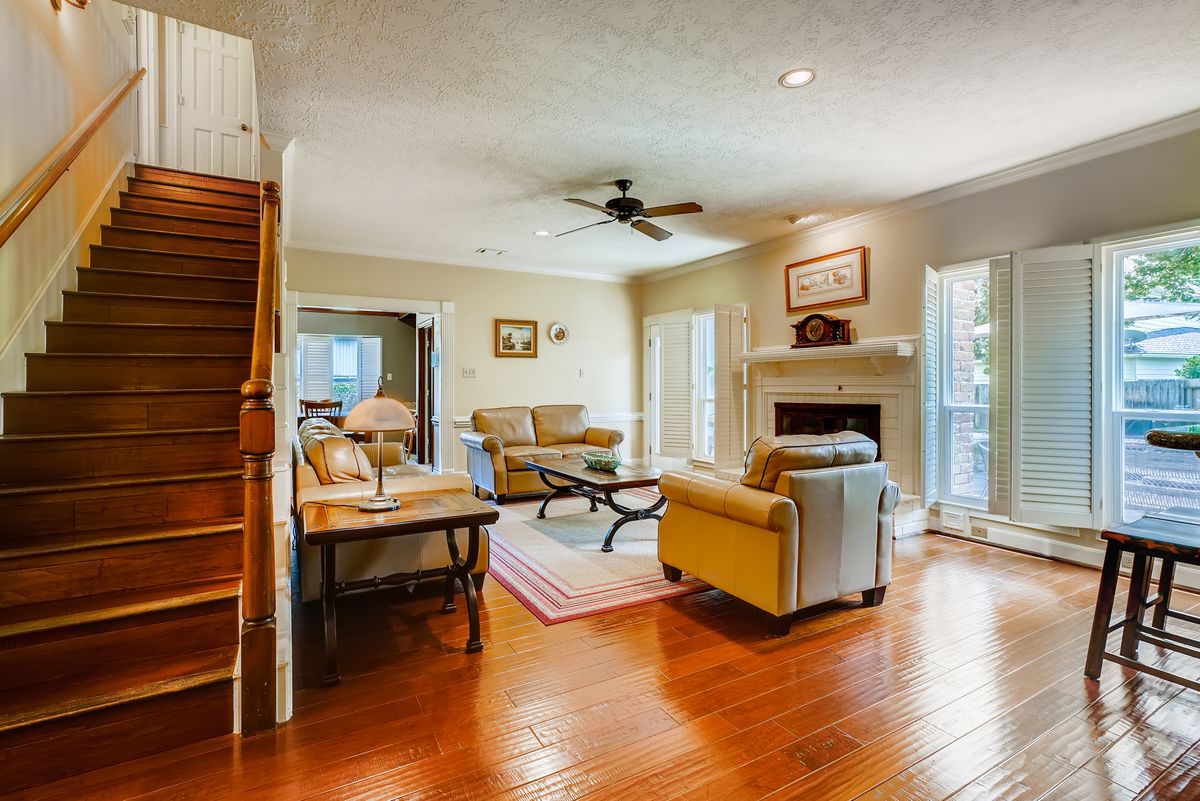
For pet accidents, wet bowls and muddy paws, LVP is typically easier to recommend. Its moisture-tolerant construction provides a wider cleanup margin. Laminate may resist claw marks extremely well, so disciplined households can still prefer it in dry areas. Use washable mats beneath bowls and trim nails regardless of floor type.
Traction matters more than many buyers expect. A highly smooth surface can be difficult for senior dogs and energetic children. Compare samples with socks and inspect embossed texture. Low-sheen floors usually disguise footprints better and may provide a more forgiving visual surface.
Children add impact, craft spills, rolling toys and furniture movement. Neither flooring is indestructible. Place felt under movable furniture, lift rather than drag heavy objects and clean grit that acts like sandpaper. Avoid steam cleaning unless the manufacturer explicitly permits it. Excess heat and moisture can affect seams and finishes.
For a deeper pet-specific comparison, read our guide to the best flooring for dogs and pets. It compares LVP and laminate with tile, hardwood and carpet while considering traction, accidents, noise and cleaning.
Installation: Why Preparation Matters
Many LVP and laminate products use floating click systems, which can create the impression that installation is only a matter of connecting boards. The visible planks are the final step. Professional work begins by checking the substrate for flatness, moisture, movement and contamination. High spots are corrected, low areas are filled with compatible materials, loose wood panels are secured and concrete is evaluated according to the flooring instructions.
An uneven base allows planks to flex. Repeated movement can create noise, open seams or damage locking edges. Covering the problem with thick pad is not a reliable solution. Expansion clearances must remain at walls, door frames, fixed objects and transitions. Heavy cabinetry generally should not pin a floating floor unless the manufacturer permits it.
Layout affects quality. Narrow slivers at the final wall look improvised. Short end joints weaken the visual rhythm. Doorways, hallways and connected rooms require a plan before the first row begins. The installer must also decide where transitions are structurally required and where continuous flooring is allowed.
Acclimation requirements differ. Some rigid products need limited acclimation under approved conditions, while laminate instructions may require material to rest in the conditioned space. Follow the exact manufacturer rather than a universal rule. The house should be enclosed, climate controlled and past wet construction work.
Seven Mistakes to Avoid
- Buying from the sample alone. Assemble multiple planks to reveal pattern repetition, bevels and color range.
- Believing every waterproof claim. Read exclusions for flooding, perimeter entry, appliances and subfloor moisture.
- Ignoring the substrate. A premium plank cannot compensate for excessive movement or unevenness.
- Choosing only by thickness. Core quality, locking geometry, wear finish and dimensional stability matter.
- Using the wrong cleaner. Wax, abrasive products and steam can leave residue or damage approved finishes.
- Pinning a floating floor. Fixed cabinetry or missing expansion clearance can restrict movement and cause distortion.
- Discarding every spare plank. Keep labeled material for future repairs because collections and colors change.
Another common mistake is expecting one floor to solve every room. A coordinated home can use different materials without looking fragmented. LVP may serve a kitchen and basement while laminate or hardwood serves dry living spaces. Shared undertones, plank direction and thoughtful transitions can unite the design.
How to Make the Final Decision
Start with exposure. If the room regularly encounters water, LVP moves to the front. Next consider feel and scratch priorities; laminate may appeal when a firm surface and crisp wood texture matter. Then compare exact product documentation, not category stereotypes. Request samples large enough to evaluate under your lighting.
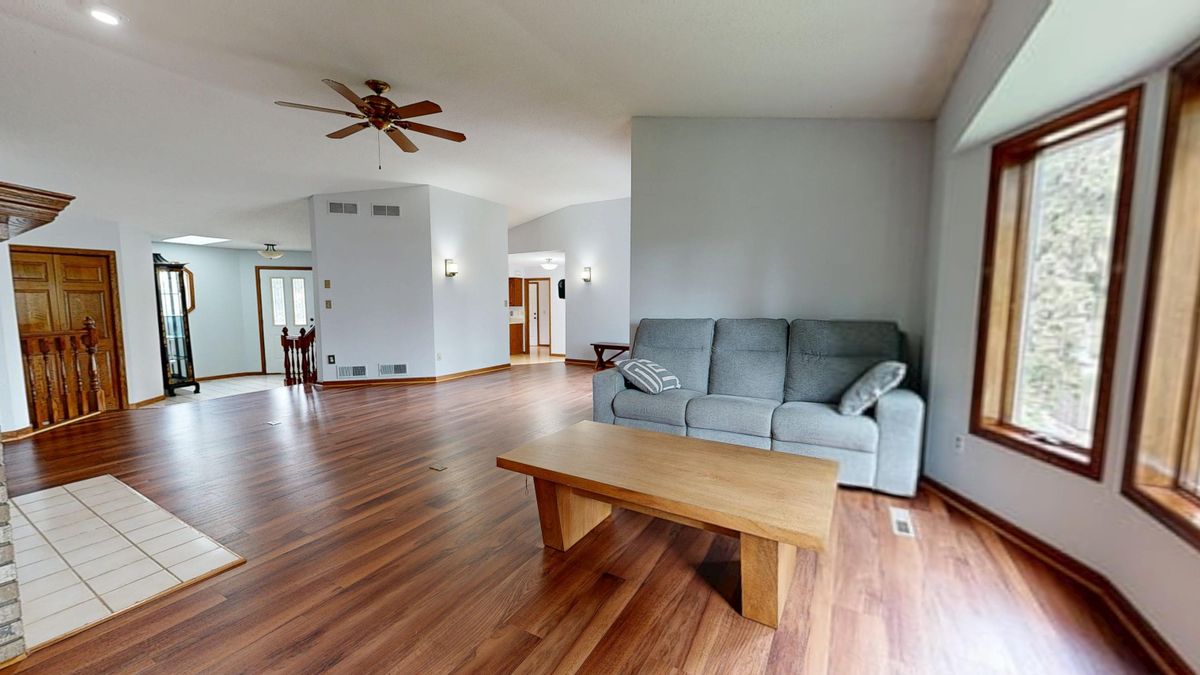
Map practical constraints: concrete or wood substrate, below-grade location, direct sunlight, rolling loads, pets, stairs, connected room size and planned cabinetry. Establish an installed budget that includes preparation. Finally, choose the product whose limitations you can realistically manage. A floor succeeds when its care requirements fit the people using it.
Choose laminate if: you prioritize a firm wood-like feel, detailed embossing, strong routine scratch resistance and mostly dry rooms.
Frequently Asked Questions
Is LVP better than laminate flooring?
LVP is usually stronger in moisture-prone rooms. Laminate can offer a firm feel, excellent scratch performance and realistic wood texture. Product quality and room conditions decide the winner.
Which floor is easier to clean?
Both are easy to maintain with routine sweeping and an approved damp-cleaning method. LVP provides more tolerance around spills, but neither floor benefits from excessive water or unapproved steam cleaning.
Can I install either floor over old tile?
Sometimes, provided the tile is sound, flat, clean and compatible with the new system. Height at doors, appliances and transitions must be checked. Loose tile or severe grout variation requires correction.
Which is better over concrete?
Many LVP and laminate products allow concrete installation, but moisture testing, vapor requirements and flatness remain essential. LVP is often selected for below-grade settings because it handles topical moisture better.
Does thicker flooring mean better flooring?
No. Thickness influences feel and installation tolerance, but it does not independently measure joint strength, core quality, wear resistance or dimensional stability.
Can Del Carlo Flooring install both?
Yes. Del Carlo Flooring installs luxury vinyl plank and laminate throughout Richmond and Central Virginia and can help compare products during a free estimate.
The Verdict for Richmond Homeowners
LVP wins when moisture resistance and everyday practicality lead the decision. Laminate wins when dry-room realism, firm feel and scratch resistance lead. The best result comes from choosing a credible product, preparing the substrate correctly and installing it according to the room and manufacturer.
Del Carlo Flooring is a family-owned flooring and remodeling company serving Richmond and Central Virginia. Explore our vinyl plank and laminate installation service, learn more about our company, or request a free estimate for a recommendation built around your actual home.
Explore Del Carlo Flooring Services in Richmond, VA
Professional installation, refinishing and remodeling for homes across Central Virginia.