
Should You Refinish or Replace Hardwood Floors?
Learn which damage can be restored, when new flooring makes more sense and how to protect the character and value of your Richmond home.
Get a Free Floor AssessmentRefinish or Replace: The Quick Answer
Refinish hardwood when the boards are structurally sound and the main problems are worn finish, ordinary scratches, faded color or shallow damage. Replace the floor when widespread moisture damage, severe movement, broken tongues, extensive patchwork or an exhausted wear layer makes another sanding unsafe or visually disappointing. Between those choices is a third option: repair selected boards and then refinish the complete area.
Homeowners often assume an old-looking floor is a failed floor. In many Richmond houses, that is not true. Solid oak installed decades ago may look gray, scratched and uneven while retaining enough usable wood for a remarkable restoration. Conversely, a newer floor can require replacement when chronic moisture has distorted boards or when a thin engineered wear layer has already been sanded.
The decision cannot be made from color alone. A professional assessment separates damage in the finish from damage in the wood and damage below the wood. Finish wear may call for recoating or sanding. Isolated board damage may be repaired. Movement, moisture and structural problems must be corrected at their source before either refinishing or replacement.
This guide explains those choices without pretending every dark stain will disappear or every old board must be discarded. It covers cost drivers, timing, dust, finish selection, pets, engineered hardwood and the clues that lead to a confident scope.
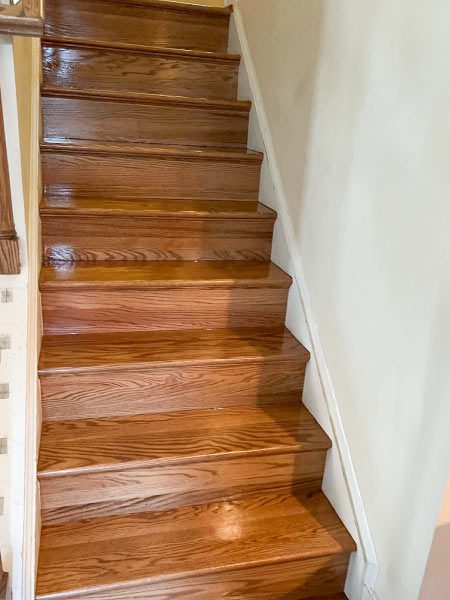
The Three Restoration Levels
Maintenance coat
A maintenance coat renews a compatible existing finish without sanding the floor back to raw wood. The surface is professionally cleaned and prepared, lightly abraded when required and covered with a fresh finish coat. It works when the finish is dull or lightly scratched but still protects the wood. It does not remove deep dents, dark stains or color differences.
Timing matters. Once traffic wears completely through the protective film and exposes bare wood, a simple coat may preserve the damage rather than correct it. Maintenance should be considered before gray pathways appear. Compatibility testing is also important because wax, oil, polish and cleaning residue can interfere with adhesion.
Full sand and refinish
A full refinish removes the old coating and a controlled amount of wood, creating a clean surface for stain and finish. It can address widespread finish wear, ordinary scratches, many shallow dents and an outdated stain. Sanding also blends properly installed repair boards with the surrounding field.
Full refinishing requires skill. The objective is not to remove as much wood as possible; it is to create a flat, consistent scratch pattern while preserving the floor’s future service life. Edges, corners, closets, transitions and different grain directions require controlled equipment and judgment.
Replacement
Replacement removes the existing material and installs a new floor over a prepared substrate. It becomes appropriate when the current floor cannot safely support another sanding, has widespread structural damage, contains extensive incompatible patches, or no longer suits the planned construction. Replacement also allows a change of species, plank width, board direction or product type.
New material does not eliminate preparation. After removal, installers may discover loose subfloor panels, uneven framing, moisture evidence or height conflicts. A clear estimate should distinguish expected work from concealed conditions that can only be evaluated after demolition.
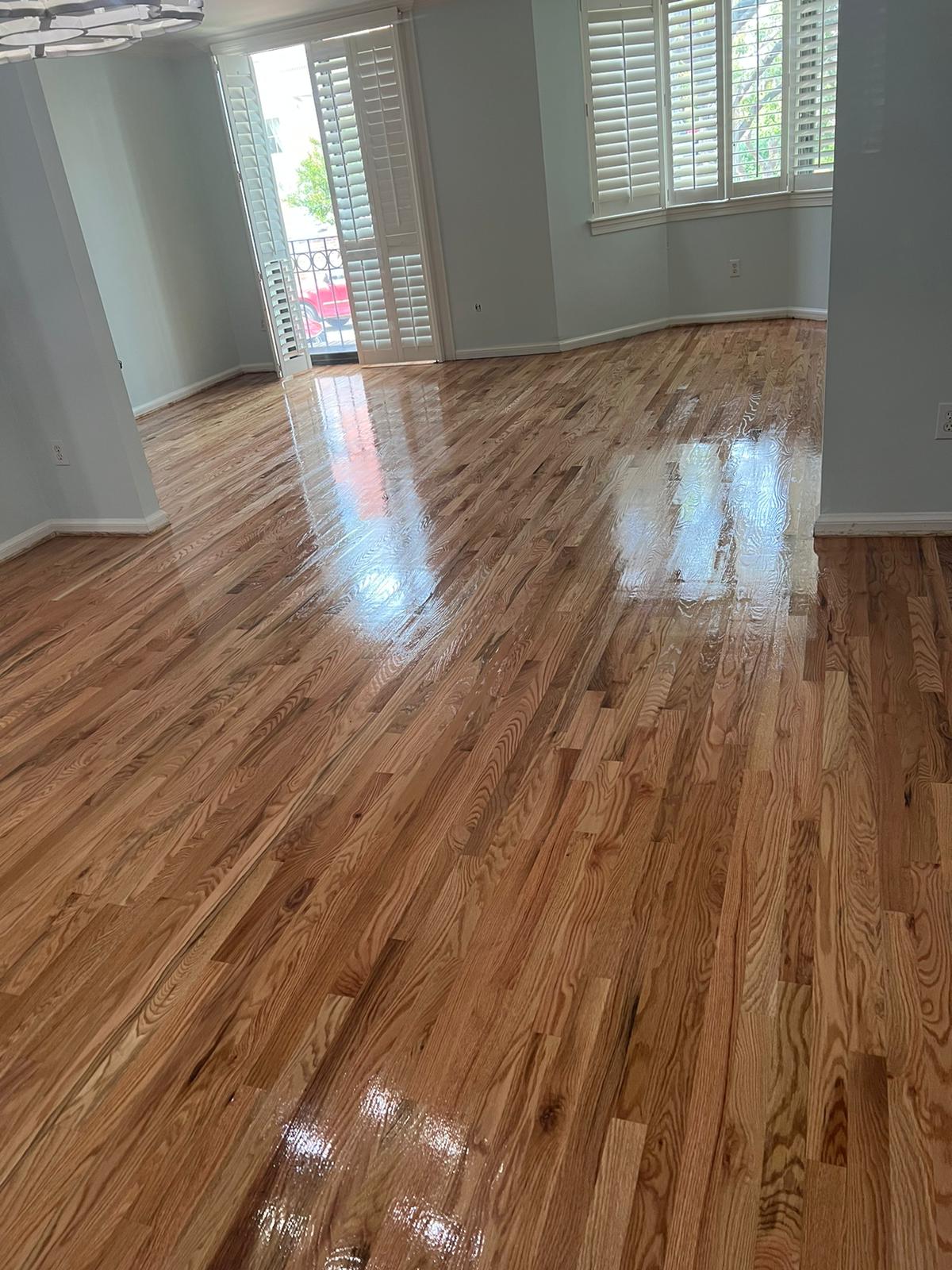
Refinishing vs. Replacement Comparison
| Question | Refinish | Replace |
|---|---|---|
| Existing boards | Mostly sound and stable | Widespread failure or unsuitable material |
| Appearance | Retains species and dimensions | Allows complete material change |
| Color | Can often be changed after sanding | Unlimited within new product options |
| Subfloor access | Limited | Full access after removal |
| Waste | Preserves existing wood | Creates removal waste |
| Disruption | Sanding, finishing and cure time | Demolition, preparation and installation |
| Future sanding | Consumes part of wear layer | Depends on new product |
Refinishing is generally the more economical route when conditions are favorable because the valuable installed material remains in place. However, extensive board repair, stain treatment and difficult access can narrow the difference. Replacement can be the better investment when it corrects a fundamentally unsuitable floor rather than postponing failure.
Signs Your Hardwood Can Be Refinished
Surface scratches are the clearest refinishing candidate. If marks affect the finish but the boards remain flat and solid, sanding can create a uniform face. Worn traffic lanes, uneven sheen, sun fading and an unwanted stain color also commonly support restoration.
Small gaps are not automatically a reason to replace. Seasonal gaps may open during dry indoor conditions and close as humidity changes. Filling every winter gap can create problems when boards expand. A professional considers season, width, pattern and movement before choosing filler or repair.
Localized stains can sometimes be improved by sanding, bleaching methods appropriate to the species, board replacement or a darker stain strategy. The correct response depends on penetration. A surface ring differs from years of pet urine entering seams. Honest assessment includes the possibility that a faint shadow will remain.
Squeaks do not necessarily condemn the flooring either. Some originate in the subfloor, fasteners or framing. Access from below, face fastening in discreet areas or targeted repair may help. Refinishing changes the surface; it does not automatically correct every structural noise.
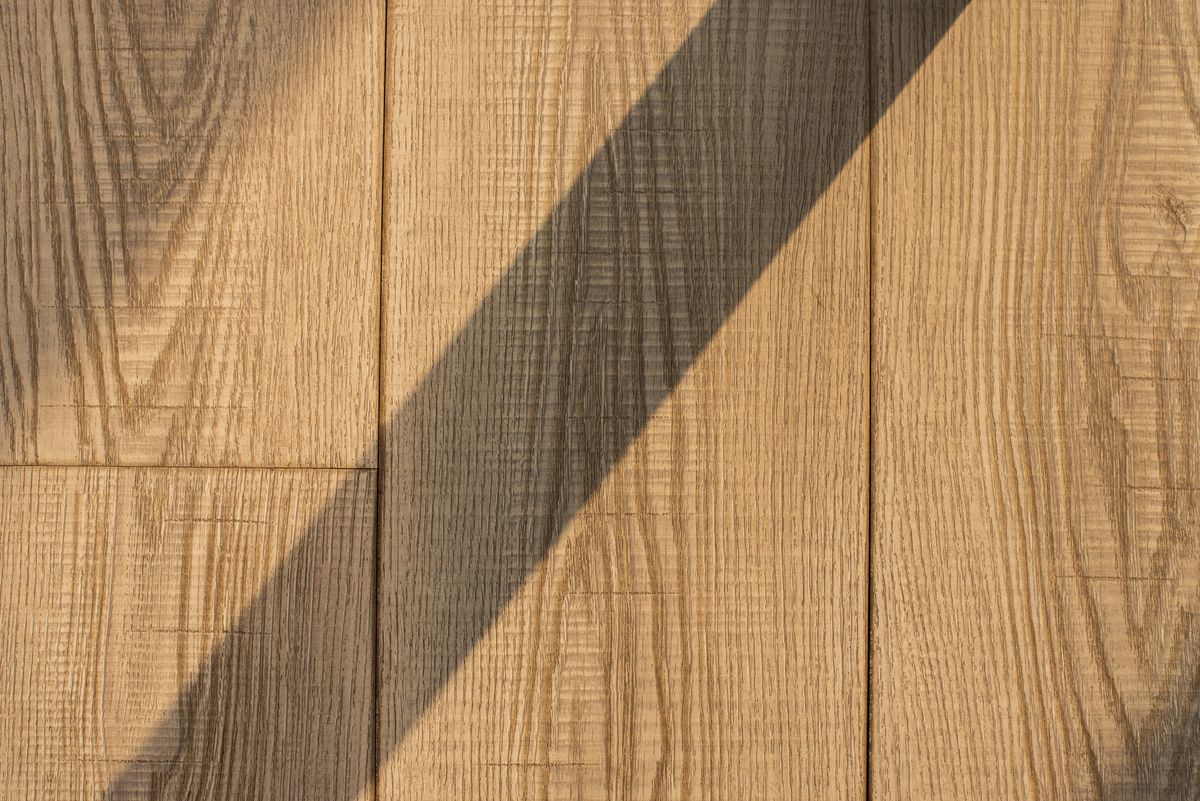
Signs Replacement Makes More Sense
Widespread cupping, crowning or buckling signals moisture or installation stress. The source must be identified before new work begins. Sanding a cupped floor too soon can create a permanently crowned surface if the boards later normalize. Active leaks, wet crawlspaces and uncontrolled slab moisture require correction first.
Exposed fastener heads across large areas may indicate that previous sanding has reduced the usable surface. Deep splits, broken tongues and repeated edge damage can produce the same concern. A professional may inspect at a vent, doorway or removed board to understand thickness rather than guessing from the top.
Replacement is also reasonable when previous additions created multiple species, widths and elevations that cannot be blended convincingly. Skilled repairs can preserve character, but there is a point where repairing most of the room is less predictable than installing a coherent new system.
Severe contamination or odor below the boards may require access to the subfloor. Pet urine, long-term leakage or microbial growth cannot always be solved by coating the visible face. Removal permits cleaning, replacement of affected panels and evaluation of hidden conditions.
Finally, the design goal may justify replacement. Refinishing cannot turn narrow red oak strips into wide European white oak planks. It cannot change solid wood into an approved below-grade system. When the desired result requires different construction, replacement is the honest path.
Can Engineered Hardwood Be Refinished?
Engineered hardwood has a genuine wood wear layer bonded to a layered core. Whether it can be sanded depends primarily on usable wear-layer thickness, previous work, flatness and damage. A thick sawn veneer may support professional sanding. A very thin decorative layer may permit only cleaning and recoating.
Do not rely on overall plank thickness. Much of an engineered board may be core material. Product documentation or a visible cross-section provides better evidence. Aggressive sanding can expose the layer beneath the veneer, creating irreversible damage. Beveled edges also influence how much sanding is needed to create a flat appearance.
If the wear layer is too thin, localized board replacement may still be possible when matching material exists. Otherwise replacement of the room may be preferable. Keep spare cartons and product labels whenever engineered flooring is installed.
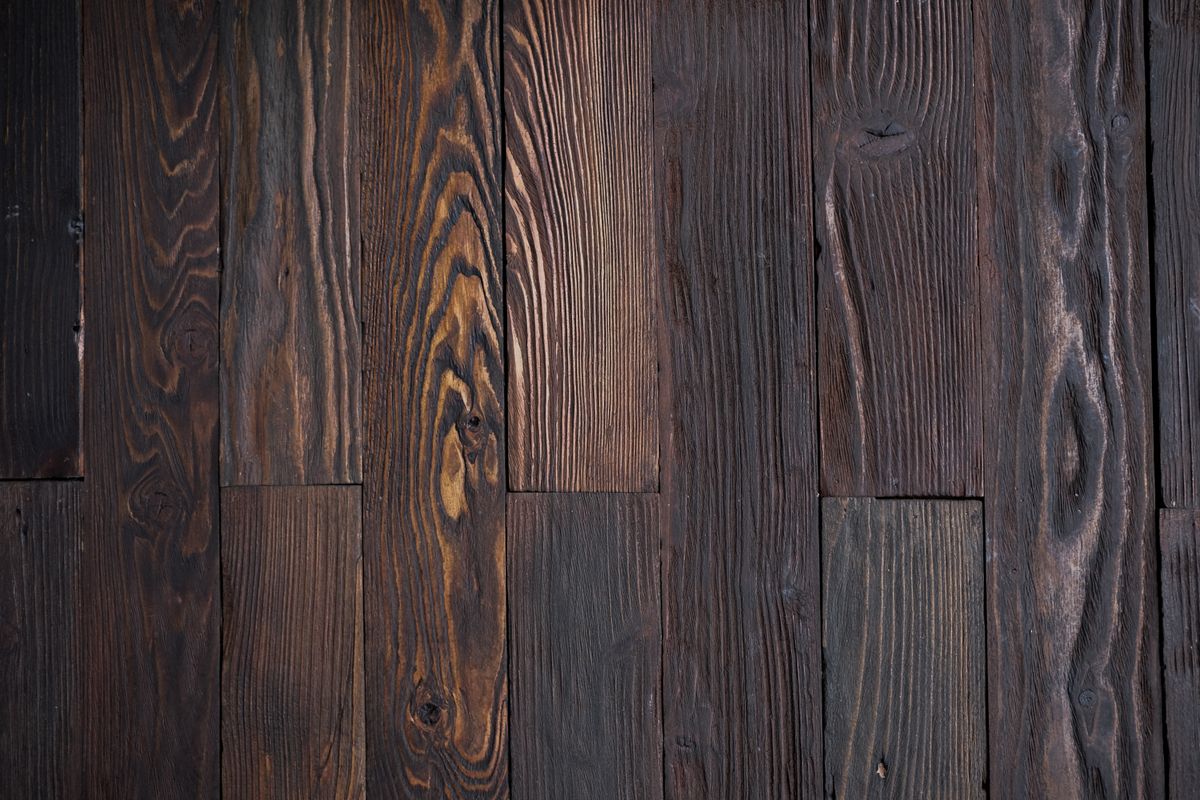
What Professional Refinishing Involves
The process begins with inspection and preparation. Furniture is removed, accessible coverings are taken up and the work zone is planned. Protruding fasteners and loose boards are addressed. Adjacent surfaces, vents and circulation routes receive protection appropriate to the project.
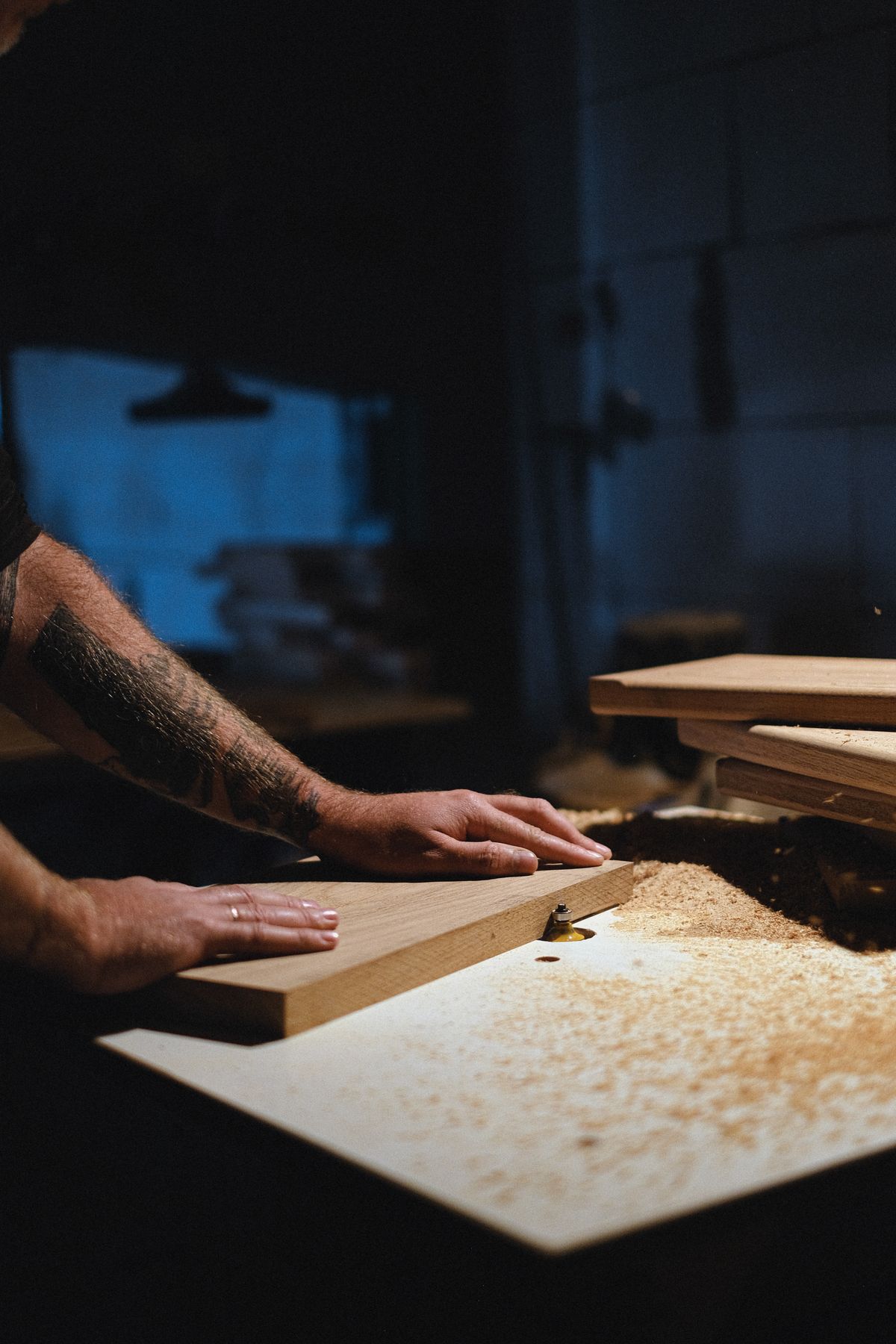
Professional sanding commonly progresses through multiple abrasive grades. The main machine levels the field while edge and detail equipment reaches perimeters. The scratch pattern becomes progressively finer. Skipping steps can leave marks that stain emphasizes. Corners, radiator areas, stairs and mixed directions demand handwork.
Repairs and filler are coordinated with sanding. Boards that are deeply stained, split or incompatible may be replaced before final passes. Filler can address appropriate cracks and fastener holes, but it is not a structural adhesive and should not be used indiscriminately in seasonal gaps.
After final preparation, the floor is cleaned and inspected under good light. If stain is selected, samples should be created on the actual floor because species, sanding and room lighting affect color. Finish coats follow the selected system’s drying and abrasion schedule. Traffic, rugs, furniture and pets remain restricted according to manufacturer guidance.
The National Wood Flooring Association distinguishes a maintenance coat from a complete resand and recommends full sanding when deep damage or exposed bare wood makes a new coat insufficient. That distinction prevents homeowners from paying for a cosmetic step that cannot address the condition.
Dust, Odor and Living in the Home
Sanding creates fine wood dust, so equipment and work practices matter. Professional dust-containment systems capture material near the machine and dramatically improve the experience. No responsible contractor should describe active sanding as producing literally zero dust. Small amounts can escape during edges, repairs and movement through the work area.
Containment protects more than furniture. Fine particles can travel through open doorways and HVAC returns. The U.S. EPA recommends barriers, source control and ventilation during remodeling, while OSHA identifies sanding as a significant source of wood dust. Registers in the work zone may need temporary protection coordinated with safe ventilation.
Finish odor and reentry time depend on the selected chemistry, temperature, humidity and airflow. Waterborne systems often offer lower odor and faster schedules than traditional oil-based products, but performance varies by exact product. Oil-modified finishes remain valued for warmth and working characteristics. The choice should consider appearance, cure requirements, household sensitivity and project schedule.
Families should plan where people and pets will stay, how refrigerators and essential rooms will be accessed, and when furniture can return. “Dry to touch” is not the same as fully cured. Rugs placed too early can affect curing and sheen. A written sequence is more useful than a vague promise about completion.
Choosing Stain Color and Finish
Natural or lightly tinted finishes show the species honestly and tend to disguise dust and small scratches. Medium browns can add warmth while remaining versatile. Very dark stains create dramatic contrast but often reveal lint, pet hair and surface marks. Gray stains depend heavily on species and surrounding finishes and can date more quickly when pushed to an extreme.
Red oak contains warm undertones that remain part of the result. White oak accepts many neutral colors differently. Maple can stain unevenly and may be better suited to clear or specialized systems. Existing repairs may absorb stain differently from original boards. Samples on the installed floor are essential.
Sheen affects maintenance perception. Satin and matte finishes usually hide ordinary wear better than gloss. A lower sheen does not mean a weaker coating; sheen and durability are separate specifications. Select the complete finish system based on use, then choose its appearance.
Wire brushing, heavy texture and color effects cannot always be created through ordinary site refinishing. Some factory finishes rely on processes not practical inside a home. If a highly specific texture is the goal, new prefinished flooring may produce a more predictable result.
Pet Stains, Water Damage and Board Repairs
Pet stains vary from shallow finish discoloration to deep chemical changes through the board. Sanding exposes the true depth. Individual replacement is often the cleanest solution for concentrated dark areas. When matching old wood, the repair may initially look different and blend as light and finish age.
Water damage requires patience. Boards should not be sanded merely because the leak stopped yesterday. Moisture readings and dimensional recovery guide timing. Some floors flatten after controlled drying; others remain permanently distorted or develop splits and staining.
Historic floors deserve careful judgment. Small gaps, nail holes, color variation and patches can be part of their character. Making an old floor look factory-new may require removing too much material. A preservation-minded refinish aims for stable, attractive and honest rather than erasing every sign of age.
What Affects Project Cost?
Refinishing cost changes with square footage, room shape, existing finish, repairs, stain selection, number of finish coats, stairs, closets and access. Heavy aluminum-oxide factory coatings can require more labor than a conventional site finish. Adhesive residue, paint and uneven previous sanding also affect preparation.
Replacement includes demolition, disposal, subfloor work, new material, underlayment or adhesive, installation, trim and transitions. Stairs, borders and lace-in connections require specialized labor. Furniture and appliance handling should be defined rather than assumed.
Compare complete scopes. A low refinishing number that excludes repairs or finish coats is not equivalent to a detailed proposal. A replacement estimate that assumes a perfect hidden subfloor may change after removal. Ask what is included, what conditions trigger additional work and how approval is documented.
Long-term value favors preserving sound hardwood because the installed material already represents significant labor and resources. Replacement earns its cost when it solves structural problems, changes an unsuitable system or creates a design refinishing cannot deliver.
Planning the Timeline
A refinishing schedule includes preparation, sanding, repair, stain drying, finish coats and cure restrictions. Humidity can extend drying. Dark stain and some finish systems require more time than natural color. Replacement adds demolition and installation but may use factory-finished boards that permit earlier light traffic.
Coordinate painting and cabinetry carefully. Dust-producing work should occur before final cleaning and finish coats. Permanent cabinets should not trap floating floors. Baseboards may be removed or supplemented with shoe molding depending on the scope. Decisions made before work begins reduce rushed compromises.
Plan for hidden conditions in older Richmond homes: multiple flooring layers, patched subfloors, old vents, additions and rooms that are not square. A realistic schedule includes assessment rather than promising speed at the expense of preparation.
Common Hardwood Restoration Mistakes
- Waiting until bare wood turns gray. Earlier maintenance may avoid a full sanding.
- Sanding active moisture damage. Correct the source and allow conditions to stabilize first.
- Assuming engineered wood cannot be refinished. Inspect the wear layer before deciding.
- Choosing stain from a printed chart. Test colors on the actual species and floor.
- Promising zero dust. Expect professional containment and collection, not impossible claims.
- Replacing every imperfect historic board. Preserve stable character when appropriate.
- Ignoring cure time. Early rugs, furniture and pet traffic can damage a fresh finish.
A Practical Decision Checklist
Choose refinishing when boards are stable, wear is primarily cosmetic, the wood has adequate thickness and you are satisfied with the existing species and dimensions. Add localized repairs when only a modest percentage is damaged. Consider a maintenance coat when the finish is dull but intact.
Choose replacement when moisture or structure has caused widespread failure, the wear layer is exhausted, extensive incompatible repairs dominate the room, hidden contamination requires access, or your design requires a different construction. Never install new flooring until the cause of old damage is understood.
Frequently Asked Questions
Is it cheaper to refinish or replace hardwood?
Refinishing is generally less expensive when the existing boards are sound. Extensive repair can narrow the gap, so compare complete scopes.
How many times can hardwood be sanded?
There is no universal number. It depends on construction, remaining wear layer, previous sanding, flatness, equipment and contractor skill.
Can deep scratches be removed?
Many can be removed or reduced, but exceptionally deep damage may require board replacement. The goal is to preserve usable thickness.
Will pet stains disappear?
Shallow stains may improve. Deep stains often need replacement boards or a color strategy that reduces contrast.
Can I stay home during refinishing?
That depends on access, dust containment, finish system and household sensitivity. Plan alternate space for people and pets during restricted stages.
Does Del Carlo Flooring refinish and replace hardwood?
Yes. We provide hardwood sanding, refinishing, repair and installation throughout Richmond and Central Virginia.
The Final Verdict
A tired finish is not a failed floor. When boards remain sound, professional refinishing preserves real wood, renews appearance and often delivers the strongest value. Replacement is correct when the material cannot safely be restored or when the project genuinely requires a different floor.
Del Carlo Flooring evaluates the complete system before recommending work. Explore our hardwood floor sanding service, compare new hardwood installation, or request a free estimate.
Explore Del Carlo Flooring Services in Richmond, VA
Professional flooring and remodeling across Central Virginia.