Pros and Cons of Luxury Vinyl Flooring in Richmond, VA
Understand where luxury vinyl plank performs beautifully, where it falls short and what Richmond homeowners should check before choosing LVP.
Get a Free Flooring EstimateIs Luxury Vinyl Flooring Worth It?
Luxury vinyl flooring is worth considering when you want convincing wood or stone visuals, strong water resistance, easy maintenance and a lower initial investment than many natural materials. Its limitations are equally important: LVP cannot be refinished, product quality varies widely, subfloor defects can telegraph through or damage joints, and it usually does not carry the same long-term prestige as real hardwood.
Luxury vinyl plank—usually shortened to LVP—has become one of the most requested flooring categories in Richmond. It can work in kitchens, family rooms, finished basements, bedrooms, rental properties and many commercial spaces. Yet the word “luxury” covers products ranging from thin bargain planks to substantial rigid-core collections with durable wear finishes and detailed embossing.
The right question is not simply whether LVP is good. It is whether a specific product, installed over a properly prepared substrate, is right for your rooms, traffic, moisture exposure, design expectations and ownership horizon. This guide examines the practical advantages and disadvantages without treating every vinyl floor as equal.
What Luxury Vinyl Flooring Is Made Of
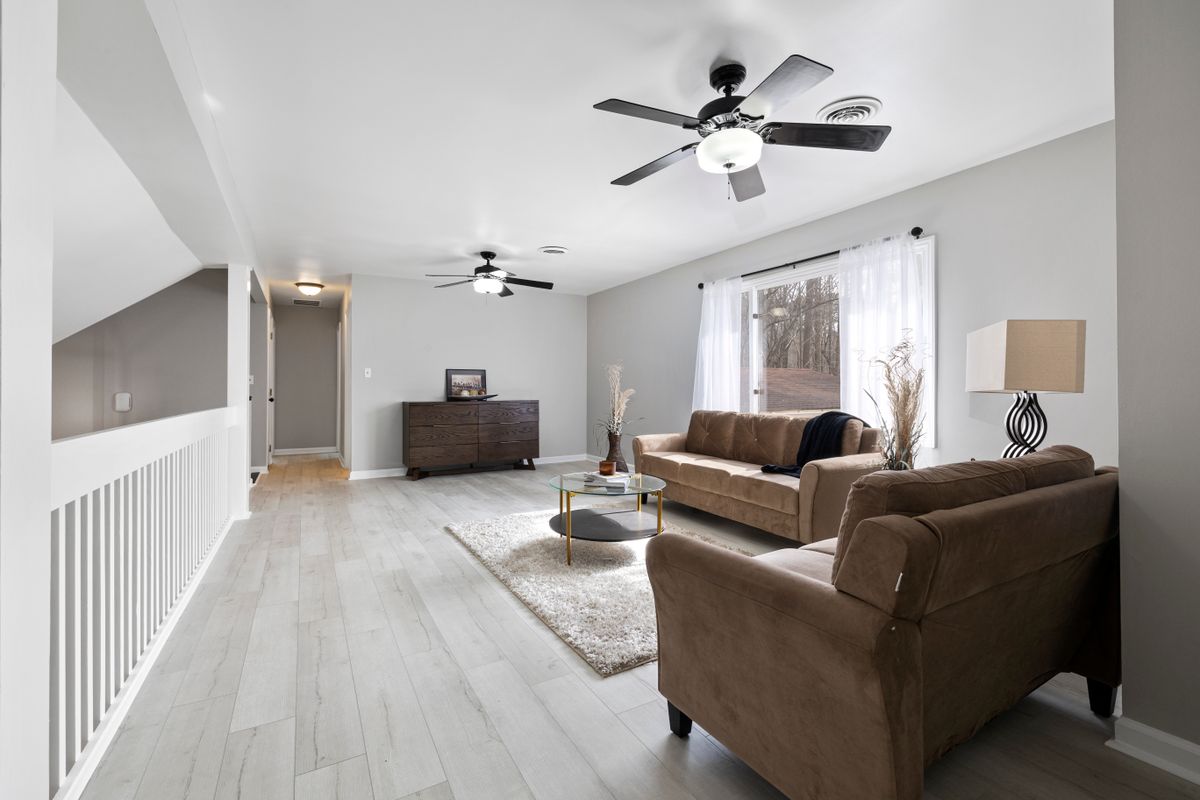
Most LVP combines several engineered layers. A backing or attached pad sits below a structural core. Above the core is a photographic design film that creates the wood, stone or tile appearance. A transparent wear layer protects that image, and a factory coating may add stain, scratch or antimicrobial performance.
Flexible, WPC and SPC products
Traditional flexible LVP conforms more closely to the substrate and may be glued down. Rigid-core planks use a stiffer center, commonly marketed as WPC or SPC. WPC products often feel slightly warmer and more forgiving underfoot. SPC products are typically dense and dimensionally stable but can feel firmer. These labels do not establish overall quality on their own.
The locking profile, core consistency, wear finish, dimensional stability, backing, manufacturing tolerances and installation instructions all matter. A thick plank with a weak joint can perform worse than a thinner, better-engineered product.
The Main Advantages of Luxury Vinyl Flooring
1. Strong resistance to everyday water exposure
The principal layers of quality LVP do not swell in the same way as conventional wood-fiber flooring. That makes vinyl plank a practical candidate for kitchens, laundry areas, mudrooms and many finished basements. Spills, wet shoes and pet accidents usually allow a more comfortable cleanup window.
2. Realistic appearance with broad design choice
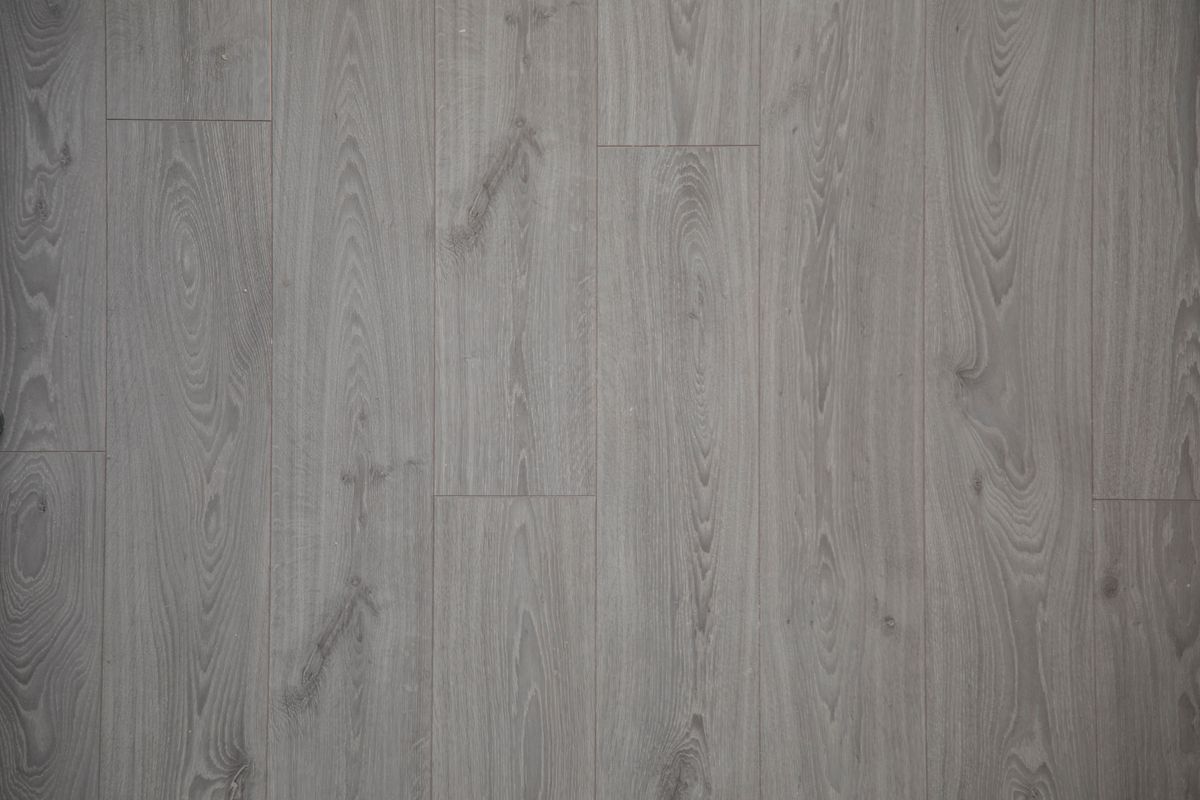
High-resolution printing, registered embossing, beveled edges and low-sheen finishes can produce convincing oak, maple, hickory, walnut, stone and concrete looks. Homeowners can coordinate color and plank width without the natural variation or price of premium wood species.
3. Easy routine maintenance
Sweeping, vacuuming with a hard-floor setting and occasional damp cleaning with an approved product handle most care. LVP does not require sanding, sealing or waxing. This simplicity appeals to families, pet owners, rental-property managers and anyone who prefers predictable maintenance.
4. Comfortable and quieter than hard tile
Vinyl plank generally feels warmer and slightly softer than ceramic or porcelain tile. Some collections include an attached pad that reduces a portion of the hard tapping sound associated with floating floors. Substrate flatness and underlayment compatibility remain more important than marketing claims.
5. Flexible price range
LVP covers entry-level through premium categories, giving homeowners more control over the material budget. It can reproduce upscale visuals without the material cost of exotic hardwood or natural stone. Preparation, trim and installation still belong in the full project cost.
The Main Disadvantages of Luxury Vinyl Flooring
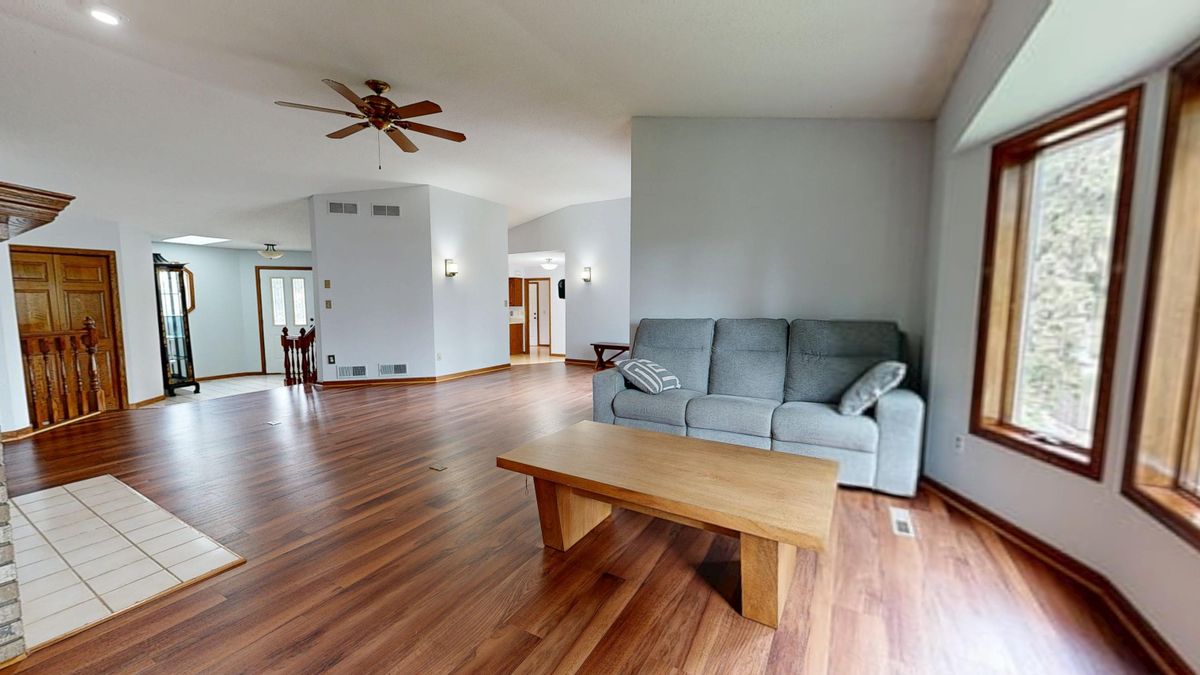
1. It cannot be sanded or refinished
Hardwood can often be renewed by sanding and applying a new finish. LVP has a finite wear surface. When the image layer, joints or core are permanently damaged, the solution is plank replacement or eventual floor replacement. Keeping unopened matching planks is wise because colors and collections change.
2. Quality varies dramatically
Two products described as waterproof luxury vinyl can differ in locking strength, finish durability, pattern repetition, stability and warranty coverage. Price alone does not reveal the difference. Compare the exact technical documents and inspect several assembled planks, not a single sample.
3. Heavy objects and heat can cause problems
Sharp furniture legs, appliances, rolling loads and concentrated weight can dent or stress certain products. Direct sunlight through large windows can create temperature differences that challenge dimensional stability. Approved window treatments, protective pads and correct expansion space help manage these risks.
4. A floating floor can sound or feel hollow
When the subfloor is uneven or the padding system is poorly matched, floating LVP may click, flex or sound hollow. Extra underlayment is not automatically a solution and can place too much movement beneath locking joints. Follow the product's specifications.
5. Environmental and resale tradeoffs
LVP is a manufactured plastic-based product and is not biodegradable like unfinished wood. Recycling options are limited in many markets. It can improve a home's presentation, but buyers may not value it as highly as genuine hardwood in properties where natural materials are expected.
Is LVP Really Waterproof?
Many manufacturers accurately describe the individual planks as waterproof. That statement does not turn the installed room into a waterproof basin. Water can enter at walls, doorways, floor vents, transitions, plumbing penetrations or damaged seams. Once beneath the floor, moisture can affect wood subfloors, adhesives, underlayment and indoor air quality even when the planks themselves look unchanged.
Topical spills should still be cleaned promptly. A dishwasher supply failure, foundation leak or repeated bathroom overflow requires inspection and drying rather than assuming the floor blocks everything. In truly wet areas, properly designed tile flooring assemblies may be more appropriate.
Durability, Scratches, Dents and Pets
LVP performs well under ordinary residential traffic when grit is controlled and furniture is protected. The wear layer shields the printed design, while the factory coating is the surface that first meets shoes, claws and chairs. A thicker wear layer can provide more sacrificial material, but coating technology and maintenance also affect scratch behavior.
Dog nails may leave fine marks on glossy or dark floors. Matte, textured designs disguise wear more effectively. Place mats at entries, trim nails, use broad felt pads and lift furniture instead of dragging it. Rolling office chairs require a manufacturer-approved mat because repeated point loading can fatigue joints or finishes.
For pet accidents and water bowls, LVP is generally easier to manage than moisture-sensitive wood-based products. Clean accidents promptly, protect seams around bowls and avoid harsh disinfectants that are not approved for the finish.
Luxury Vinyl Flooring Cost in Richmond
Total cost includes more than cartons. Material tier, square footage, waste, removal, disposal, furniture moving, floor leveling, moisture mitigation, stairs, trim, transitions and appliance handling all influence the estimate. Complex layouts and occupied spaces usually require more labor than empty rectangular rooms.
| Cost factor | Why it matters | What to verify |
|---|---|---|
| Product quality | Core, wear finish and locking geometry affect price and performance. | Exact collection specifications and warranty. |
| Existing flooring | Removal and disposal add labor and may reveal repairs. | What is included in the written scope. |
| Subfloor condition | High spots, low areas and loose panels must be corrected. | Flatness and moisture requirements. |
| Trim and transitions | Doors, stairs and adjoining floors require finish details. | Profiles, colors and replacement scope. |
| Installation method | Floating and glue-down systems require different preparation. | Manufacturer-approved method for the space. |
A low material price can become expensive if it leads to broken joints, visible substrate defects or early replacement. Compare complete written scopes rather than price per square foot in isolation.
Where LVP Works Best—and Where to Be Careful
Kitchens and open living areas
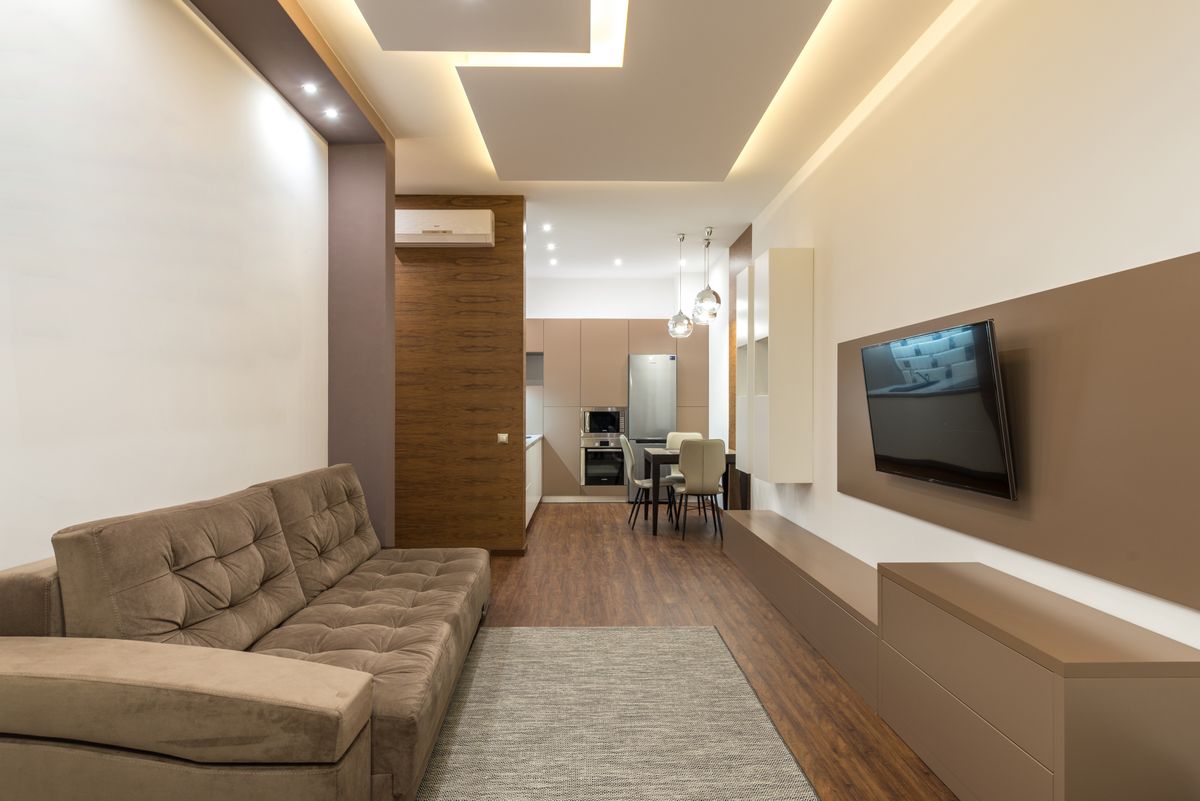
LVP is popular in connected kitchens and family rooms because it maintains one visual surface while handling ordinary spills. Layout planning should account for cabinets, islands, appliances and long sight lines. Floating flooring generally should not be pinned beneath fixed cabinetry unless specifically permitted.
Finished basements
Rigid-core LVP is often a practical candidate over concrete, but it cannot solve active water intrusion. Test the slab, address drainage and follow vapor-control requirements before installation.
Bedrooms and home offices
LVP provides easy cleaning and visual continuity. Area rugs can add softness and acoustic control. Protect the floor beneath rolling chairs and heavy desks.
Bathrooms and laundry rooms
Product approval varies. Water-resistant planks do not replace proper waterproofing around showers, tubs or fixtures. Plan toilet flanges, appliance movement, edges and penetrations carefully.
Sunrooms and uncontrolled spaces
Many LVP warranties require conditioned indoor environments. Enclosed porches, rooms with extreme solar heat and seasonal spaces can exceed approved temperature ranges. Confirm written limitations before selecting the material.
Why Professional Installation Matters
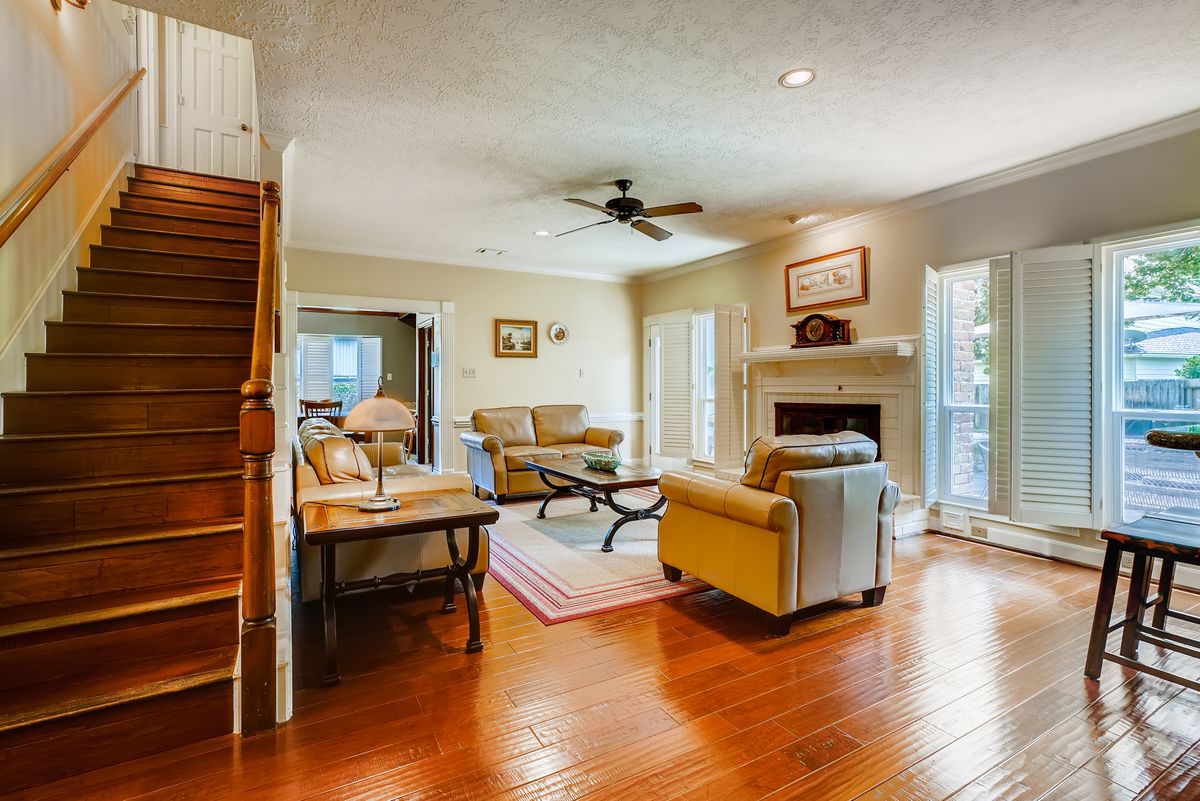
Click-together planks make LVP look simple, but connecting boards is the final stage. Preparation determines whether the finished floor remains flat, quiet and secure. Installers check moisture, substrate flatness, structural movement, contamination, room dimensions, doorway heights and transitions before establishing the layout.
High spots may need grinding or sanding; low areas may require compatible patching or leveling materials. Loose wood panels are secured. Concrete is tested according to the flooring and adhesive requirements. Expansion clearances are preserved at fixed objects and concealed with trim.
Layout affects both appearance and waste. Narrow slivers at a prominent wall, short pieces at doorways or repeated print patterns can make an otherwise good product look careless. Professional planning balances board widths, joints, focal areas and connections between rooms.
How to Clean and Maintain LVP
- Sweep or vacuum regularly using a hard-floor setting without an aggressive beater bar.
- Use an approved pH-neutral cleaner and a lightly damp microfiber pad.
- Wipe spills promptly, especially near walls, transitions and cabinets.
- Avoid steam, abrasive powders, solvent cleaners, wax and polish unless expressly approved.
- Use breathable entry mats without staining rubber or latex backings.
- Install broad felt pads and replace them when grit becomes embedded.
- Maintain reasonable indoor temperature and humidity throughout the year.
- Keep labeled spare planks from the same production run for future repairs.
More cleaning product does not produce a cleaner floor. Residue attracts soil and creates haze. Follow dilution instructions and change dirty water or pads during larger cleanings.
Eight LVP Mistakes to Avoid
- Choosing by color alone. Compare construction, finish, joints and specifications.
- Assuming waterproof means leak-proof. Water can still reach the subfloor.
- Skipping moisture testing. Concrete and crawlspace conditions matter.
- Ignoring flatness. Movement beneath planks stresses locking systems.
- Adding unapproved underlayment. Excess cushioning can cause joint failure.
- Pinning a floating installation. Fixed objects can prevent necessary movement.
- Using steam or wax. Unapproved care can damage the finish or void coverage.
- Throwing away leftovers. Matching replacements may be unavailable later.
How to Choose the Right Luxury Vinyl Plank
Start with the room and installation conditions, then narrow the product. Confirm that the collection is approved for the level of the home, substrate, expected temperature and installation method. Compare wear finish, core, joint profile, attached pad, pattern variation and warranty exclusions.
Assemble multiple samples under daytime and evening lighting. Look for repeated knots, abrupt color changes and bevels that collect dirt. Walk on a larger display if possible. A floor can look convincing from across a showroom and repetitive in a full room.
Finally, compare LVP with alternatives. Homeowners prioritizing natural material and refinishing potential should examine hardwood flooring. Wet zones may favor tile. Bedrooms may benefit from carpet. The best home does not always use one material everywhere.
Frequently Asked Questions
Is luxury vinyl flooring a good choice for Richmond homes?
Yes. Quality LVP handles topical moisture, daily traffic and routine cleanup well. Product selection, preparation and installation determine the result.
What is the biggest disadvantage of LVP?
It cannot be sanded and refinished. Permanently damaged surfaces or joints require plank replacement, and matching material may be discontinued.
Is luxury vinyl plank completely waterproof?
The planks may be waterproof, but the installed perimeter and subfloor are not automatically protected from leaks or flooding.
How long does luxury vinyl flooring last?
A quality installation can serve for many years. Actual lifespan depends on construction, wear finish, traffic, sunlight, maintenance and substrate conditions.
Does LVP increase home value?
It can improve presentation and functionality when replacing worn flooring. Hardwood usually carries greater premium recognition, so the effect varies by property and buyer.
Can LVP be installed over concrete?
Often yes, when the slab is sound, clean, flat and within the product's moisture limits. Testing and required vapor protection come first.
Is LVP good for dogs and children?
Yes. It is easy to clean and handles spills well. A textured matte finish, mats and furniture pads help limit visible wear.
Does Del Carlo Flooring install LVP?
Yes. Del Carlo Flooring installs luxury vinyl plank and laminate throughout Richmond and Central Virginia.
The Verdict for Richmond Homeowners
LVP's strongest advantages are water resistance, simple care, broad design choice and accessible pricing. Its main disadvantages are limited repairability, variable product quality, sensitivity to poor subfloor preparation and less long-term prestige than natural hardwood.
Choose it when those practical strengths match the room and your expectations—not because every vinyl plank is automatically durable or waterproof in every situation. Explore our luxury vinyl plank installation service, review all Del Carlo Flooring services, or request a free estimate for recommendations based on your Richmond home.
Explore Del Carlo Flooring Services in Richmond, VA
Professional flooring installation, refinishing and remodeling across Central Virginia.