Solid vs. Engineered Hardwood Flooring: Which Is Better?
Both are genuine wood. Learn how construction changes moisture performance, installation, refinishing and the best rooms for each floor.
Get a Free Hardwood EstimateSolid vs. Engineered Hardwood: The Quick Answer
Choose solid hardwood when you want the deepest traditional wear surface, expect to keep the floor for decades and are installing above grade over a compatible wood subfloor. Choose engineered hardwood when you want genuine wood with better dimensional stability, wider-plank options or installation over concrete and certain below-grade spaces. Neither is automatically superior. Product quality, room conditions, veneer thickness, core construction and professional installation matter more than the category name alone.
Solid vs. engineered hardwood is often misunderstood as real wood versus artificial wood. That is incorrect. Both have a genuine hardwood surface. A solid board is milled from one piece of timber through its usable thickness. An engineered board bonds a real hardwood wear layer to a stable multilayer core. Once installed, two floors made from the same species, grade, cut and finish can look nearly identical from above.
The meaningful differences are below the visible surface. Construction affects how the board responds to humidity, where it can be installed, how it attaches to the substrate and how much material is available for future sanding. Those factors are especially relevant in Richmond, where humid summers, seasonal HVAC changes, older wood-framed houses, concrete additions and finished basements create very different flooring conditions.
This guide compares the materials without treating every product as equal. Del Carlo Flooring provides professional hardwood installation in Richmond and evaluates the room before recommending a construction. If your real decision is wood versus resilient flooring, read our separate hardwood vs. LVP comparison.
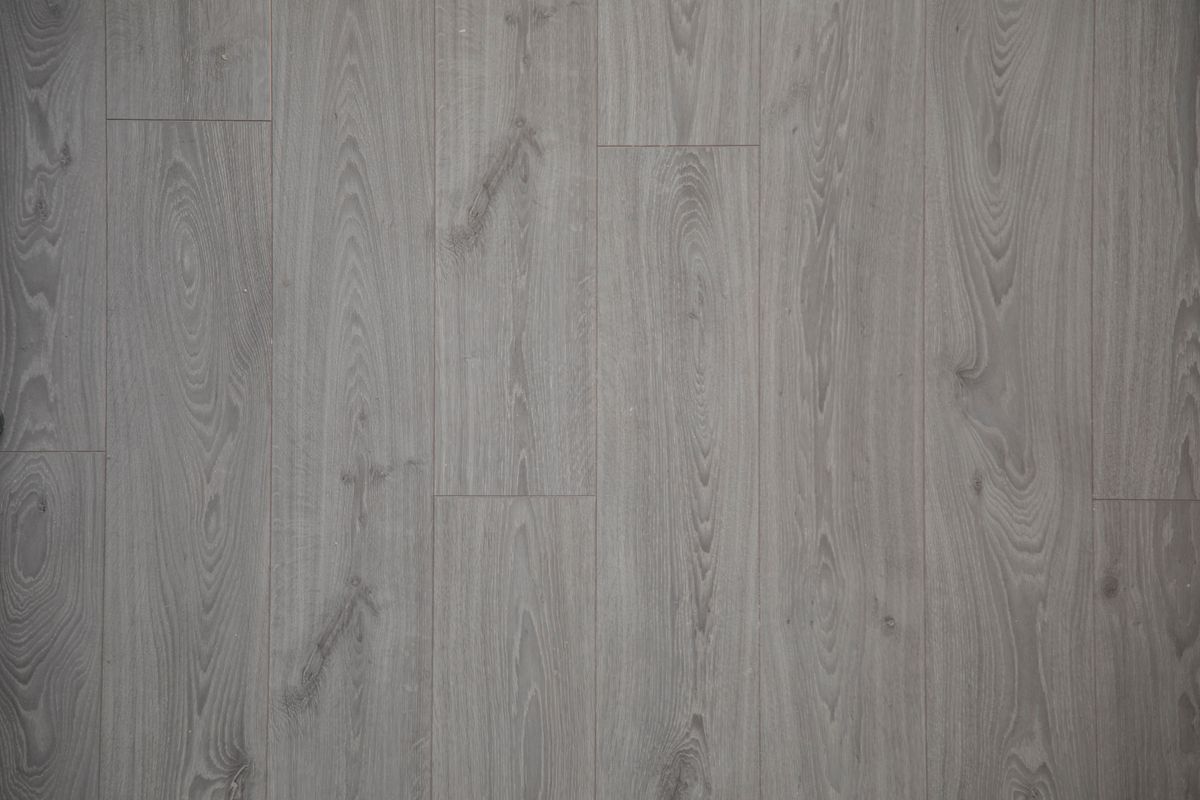
Solid and Engineered Hardwood Comparison
The table summarizes typical differences. Always confirm the specifications of the exact collection. Some premium engineered products have a thicker usable wood layer than low-profile solid products, while some budget engineered floors have veneers too thin for traditional sanding.
| Feature | Solid hardwood | Engineered hardwood |
|---|---|---|
| Visible surface | Genuine hardwood | Genuine hardwood veneer |
| Core | Same wood through thickness | Layered plywood or composite core |
| Humidity response | Greater dimensional movement | Generally more stable |
| Below-grade use | Generally not recommended | Some products approved after evaluation |
| Concrete installation | Limited and system-dependent | More glue or floating options |
| Refinishing | Usually strongest potential | Depends on wear-layer thickness |
| Wide planks | More movement to manage | Stable construction supports options |
| Appearance | Natural wood | Natural wood |
Both categories include unfinished and factory-finished options, although product availability varies. Site-finished flooring allows custom stain and a finish film across installed seams. Prefinished boards arrive with a controlled factory coating and can reduce finishing time inside the house. Finish system, sheen and color influence daily durability and scratch visibility independently of whether the core is solid or engineered.
How Each Hardwood Floor Is Constructed
Solid hardwood
A solid tongue-and-groove board is cut from lumber, dried, milled and graded. The upper surface sits above the tongue, leaving usable wood that can support future sanding when the board and fasteners allow. Common thicknesses and profiles vary by manufacturer. Solid flooring is often nailed or stapled to a wood subfloor, creating the traditional installation found in many Richmond houses.
Because the entire board shares the grain orientation, it responds across its width as moisture changes. Seasonal gaps can appear during dry indoor winters and close in humid weather. Excessive moisture imbalance can contribute to cupping or crowning. Appropriate indoor humidity, subfloor moisture and acclimation reduce risk; they do not eliminate wood's natural movement.
Engineered hardwood
An engineered board uses a real hardwood top layer over multiple layers arranged to improve stability. Cross-directional plywood layers resist movement, while other cores use different engineered structures. The quality of the core affects stiffness, moisture response, milling precision and how the floor feels. “Engineered” is therefore a construction category, not a single quality level.
The wear layer deserves close attention. A thicker sawn veneer can offer meaningful future renewal and natural visual depth. A very thin rotary-peeled layer may limit sanding. Edge construction, finish, core materials, overall thickness and installation method should be evaluated together. Ask for a cross-section sample rather than judging only the decorative face.
Do Solid and Engineered Hardwood Look Different?
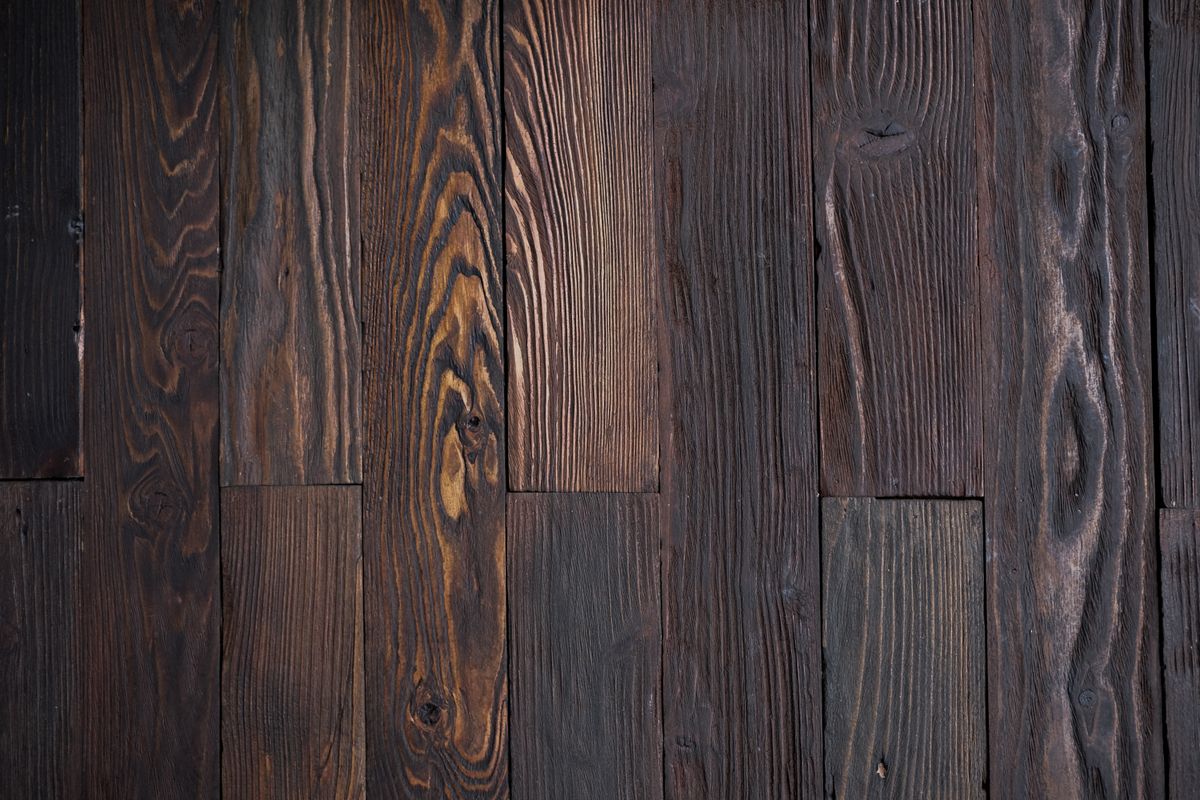
From the finished side, construction does not have to determine appearance. White oak engineered flooring is still topped with white oak. It may show the same cathedral grain, rift lines, knots and mineral streaks as solid boards. Color depends on species, grade, stain and finish rather than the core. A knowledgeable observer usually needs to see an edge, floor vent or loose board to confirm construction.
Product format can create indirect clues. Engineered construction makes very wide and long planks easier to manufacture with dimensional control. Solid floors are commonly available in traditional widths, though wide solid boards exist and require careful moisture planning. Engineered products may offer dramatic European oak formats, while solid flooring is often selected for classic strip layouts and seamless matching to existing rooms.
Refinishing flexibility affects future appearance. Solid wood usually offers more opportunities to change stain color over its life. Engineered floors with sufficient wear layer may also be sanded, but aggressive color changes and deep repairs require professional assessment. Both can often receive a maintenance coat before full sanding becomes necessary.
Humidity, Moisture and Richmond's Climate
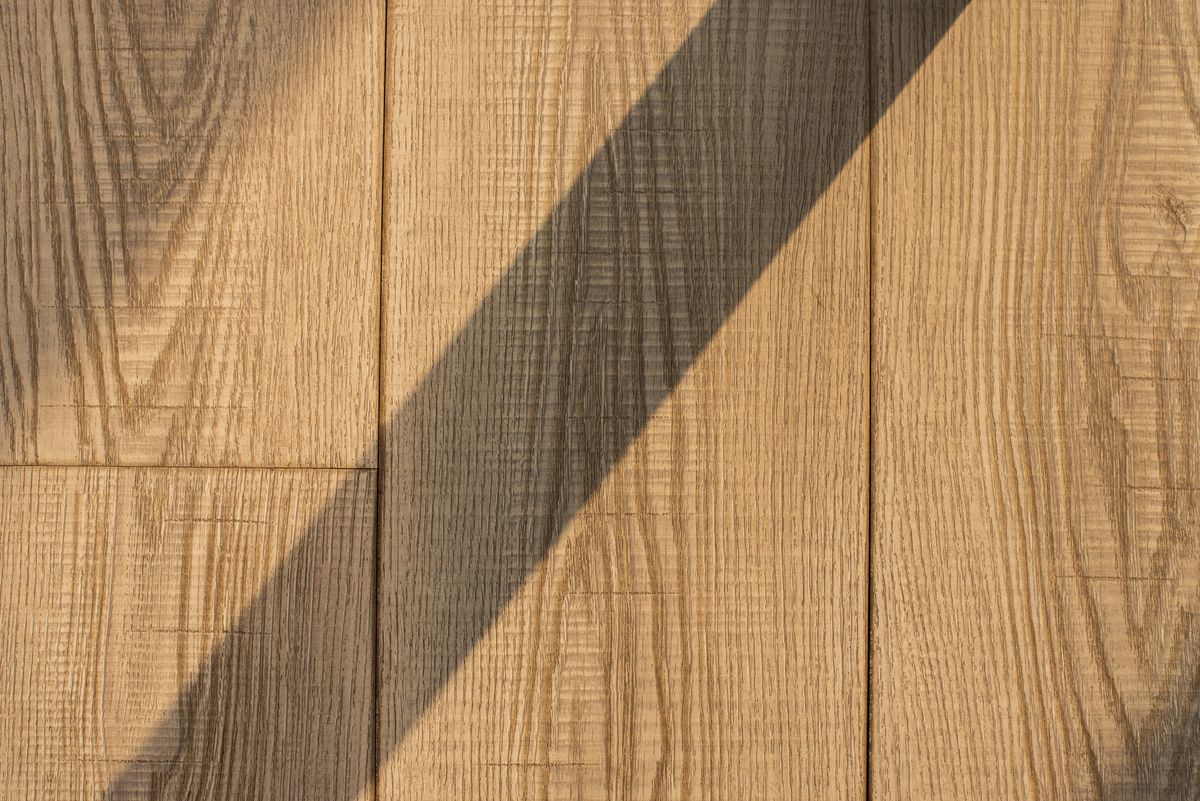
Engineered hardwood generally handles seasonal dimensional change better because its layers counteract movement. That advantage is valuable for wide planks, concrete substrates and homes where humidity shifts are harder to control. It does not make engineered wood waterproof. The genuine wood surface, seams, edges and core can still be affected by leaks or prolonged moisture.
Solid hardwood performs beautifully when the home maintains suitable conditions. Many century-old Richmond floors prove its longevity. Those successes reflect compatible construction, airflow, maintenance and the ability of wood to be repaired. Problems arise when new flooring is installed before wet work dries, over an unsuitable subfloor, against active moisture or without enough attention to indoor conditions.
Moisture evaluation should include the flooring, subfloor and ambient environment. Concrete and wood substrates require different test methods. Acclimation is not simply leaving closed cartons in a building for a fixed number of days. The purpose is to confirm that flooring moisture and jobsite conditions are appropriate under product and industry guidance.
After installation, HVAC operation remains part of ownership. Rapid humidity swings can affect either wood floor. A hygrometer helps homeowners recognize unusual conditions. Plumbing leaks, exterior water entry and wet crawl spaces need correction at their source; changing from solid to engineered material does not solve a building moisture problem.
Installation Methods and Subfloor Compatibility
Solid hardwood is traditionally nailed or stapled over a suitable wood subfloor. Fastener schedule, board direction, expansion space and subfloor structure matter. Existing concrete usually changes the plan because fastening directly into it is not the standard approach. Sleepers or other assemblies may add height and complexity, making engineered hardwood more practical.
Engineered flooring may be nailed, stapled, glued or floated when the specific product allows. Glue-down installation can create a firm feel over concrete, while floating systems connect boards to one another over approved underlayment. Each method has flatness, moisture, adhesive and transition requirements. More options do not mean every method is interchangeable.
Subfloor flatness matters for both. Low areas can create movement and hollow sounds; high areas can stress boards and joints. Loose panels may squeak. Old adhesive, damaged underlayment or layers of previous flooring can interfere with bonding or fastening. Removal and preparation should appear clearly in the project scope rather than becoming a surprise after material arrives.
Transitions, stairs and adjoining floor height also influence the decision. A thick solid floor may align with existing rooms in an older house. A lower-profile engineered board may solve a door or cabinet clearance issue. Stair nosings and reducers should be available in compatible material before installation begins.
Refinishing, Repairs and Long-Term Life
Solid hardwood's signature advantage is the amount of renewable material above the tongue. A qualified professional can assess whether a worn floor can be sanded and professionally refinished. The actual number of refinishes depends on previous sanding, board profile, flatness and damage. It should never be promised from a category label alone.
Engineered hardwood ranges widely. A robust wear layer may support professional sanding, while a thin veneer may only allow abrasion and recoating. Sanding through the veneer exposes the core and permanently damages the board. Save product documentation so a future contractor knows the original wear-layer specification and finish.
Many floors do not need full sanding when the finish becomes dull. A maintenance coat can restore protection if contamination is removed and the existing system is compatible. Waiting until traffic lanes expose raw wood turns a simpler maintenance decision into a deeper repair. Ask the installer how to recognize wear and which cleaners will not interfere with future adhesion.
Individual board repairs are possible in both categories, but fastening and access change the method. Matching material becomes harder as colors age and collections are discontinued. Store extra boards in a dry conditioned area. Natural wood variation helps a careful repair blend, though newly finished wood may need time to approach the surrounding color.
Cost, Quality and Home Value
Solid and engineered hardwood prices overlap. A domestic solid strip floor can cost less than a premium wide-plank engineered European oak. The meaningful comparison includes species, grade, dimensions, finish, wear layer, core, installation method and preparation—not merely “solid” or “engineered.”
Installation scope can shift the total. Nail-down work over ready wood framing differs from glue-down engineered flooring that needs concrete moisture mitigation. Site-finished solid wood adds sanding, staining and cure time. Prefinished engineered flooring may reduce disruption but carry a higher material price. Removal, furniture, trim, stairs and transitions also affect the project.
Both are real-wood finishes that can support a home's appeal. Solid hardwood has strong traditional recognition, particularly in historic properties. High-quality engineered hardwood may be the technically responsible premium option over a slab or for wide planks. Buyers experience appearance and installation quality before they inspect a board's cross section.
Lifetime value includes future choices. A renewable solid floor may remain through several design cycles. A thick-wear-layer engineered floor can also have a long service horizon. A thin budget product may require replacement sooner. Request itemized alternatives and compare what happens after the initial finish shows wear.
Species, plank width and finish still matter
Construction should not overshadow the choices that shape daily appearance. White oak is popular because its grain accepts many natural and neutral finishes, while red oak has a warmer, more pronounced pattern. Hickory provides strong color movement and visual variation. Every species can dent or scratch, and hardness alone does not predict how noticeable wear will be. A light or medium color, natural grain and satin or matte sheen generally conceal dust and small marks better than a dark, uniform, high-gloss finish.
Plank width changes both design and technical planning. Wide boards show more of each tree's character and create fewer seams, but a solid wide plank experiences more absolute movement across its face than a narrow strip. Engineered construction is often selected for broad formats because its layered core improves stability. That does not remove expansion, fastening or environmental requirements. Review the manufacturer's maximum dimensions, installation method and humidity guidance for the exact width being considered.
Factory-finished floors provide a controlled coating and predictable cure before delivery. Site-finished floors allow custom stain, sheen and a finish layer applied after the boards are installed. The right choice depends on desired appearance, schedule, ventilation and how closely new work must match existing flooring. These finish decisions affect the project experience and future maintenance just as much as the solid-versus-engineered label.
Best Choice by Room and Home Type
Main-level living areas
Either construction can excel. Solid is attractive over traditional wood framing when long-term refinishing is central. Engineered supports wide-plank design and stable performance. Matching an existing floor may decide the issue more strongly than general category benefits.
Upper-floor bedrooms
Both work over appropriate wood subfloors. Consider sound transmission, hallway transitions and whether existing solid flooring continues into the rooms. Engineered floating installations require an approved acoustic system; nail-down choices interact directly with framing.
Kitchens
Engineered hardwood's stability is helpful, but neither wood category is waterproof. Protect sink and dishwasher areas, address leaks immediately and coordinate floor height with cabinets and appliances. Homeowners who expect frequent standing water may prefer luxury vinyl plank or porcelain tile.
Finished basements
Solid hardwood is generally excluded below grade. Certain engineered products may be considered after slab and moisture evaluation. A written approval for the specific product and installation system is more useful than a broad statement that all engineered wood works in basements.
Historic Richmond homes
Solid flooring can preserve traditional proportions and make repairs blend with original boards. Engineered hardwood may solve additions, slab areas or environments where stability is more important. A house does not need one construction everywhere if transitions are planned carefully.
Concrete condos and additions
Engineered hardwood usually offers more direct options. Glue-down or floating methods may be available, subject to building rules, sound ratings and moisture conditions. Confirm association requirements before selecting material.
How to Evaluate Engineered Hardwood Quality
- Identify the wear-layer thickness. Ask what renewal the manufacturer permits rather than assuming every real-wood veneer can be sanded.
- Examine the core. Look for consistent, well-bonded layers and ask how the product is intended to be installed.
- Review overall dimensions. Thickness affects feel, transitions and compatibility; plank width affects design and movement.
- Study the finish warranty. Understand exclusions, maintenance requirements and whether the warranty covers wear or only manufacturing defects.
- Check visual variation. Species grade, board selection and color range should match expectations for knots and sapwood.
- Confirm certifications and documentation. Product-specific indoor-emissions and sourcing information are more meaningful than generic brand claims.
- Keep spare material. Extra boards protect future repair options after a collection changes.
Common Buying Mistakes
- Calling engineered hardwood laminate. Engineered hardwood has real wood on top; laminate uses a decorative image.
- Assuming all engineered floors can be refinished. Wear layers vary substantially.
- Assuming solid wood lasts forever without climate control. Longevity still depends on moisture, finish care and repairs.
- Buying by species name alone. Construction, grade, cut, finish and milling all affect performance.
- Skipping moisture testing. The surface material cannot correct an unsuitable substrate.
- Choosing installation method after purchase. Subfloor and manufacturer approval should shape the product choice.
- Comparing incomplete bids. Preparation and finishing exclusions can make a lower quote cost more later.
Del Carlo Flooring's Selection and Installation Process
Our process starts with the house rather than a predetermined product. We discuss style, rooms, household use, budget and ownership plans. During an on-site evaluation, we measure, inspect the existing floor and substrate, consider moisture exposure and identify transitions or stair details.
We then compare appropriate solid and engineered options. The written scope explains removal, preparation, installation, trim and cleanup. Material requirements guide delivery and acclimation. During installation, board direction, blending, fastening or adhesive coverage and perimeter details receive deliberate attention. The final walkthrough covers the finished work and care expectations.
Del Carlo Flooring is licensed, insured, family-owned and serves Richmond, Henrico, Chesterfield, Midlothian, Glen Allen, Short Pump, Mechanicsville and surrounding Central Virginia communities. Learn more about our flooring company or view the broader flooring installation cost guide before requesting a quote.
Frequently Asked Questions
Is solid or engineered hardwood better?
Solid hardwood offers the greatest traditional refinishing potential, while engineered hardwood offers greater dimensional stability and more installation options. The better choice depends on room, subfloor, moisture conditions and product construction.
Is engineered hardwood real wood?
Yes. Engineered hardwood has a genuine hardwood wear layer bonded to a layered core. It differs from laminate and LVP, which use printed visuals rather than a real wood surface.
Can engineered hardwood be refinished?
Some engineered hardwood can be refinished, but the number and type of renewals depend on wear-layer thickness, condition and installation. Thin veneers may permit only light recoating or no sanding.
Which wood floor is better for Richmond humidity?
Engineered hardwood is generally more dimensionally stable through humidity changes, but both require controlled indoor conditions, moisture testing, correct acclimation and installation according to the manufacturer.
Can solid hardwood be installed in a basement?
Solid hardwood is generally not recommended below grade. Some engineered products may be approved when slab conditions, moisture readings and the installation system meet written requirements.
Which hardwood adds more resale value?
Both can be premium real-wood finishes. Buyers may value solid hardwood's renewal history, but a high-quality engineered floor can be equally appropriate. Product quality, appearance and installation matter more than the label alone.
How can I tell solid from engineered hardwood?
A loose board reveals the answer: solid hardwood is one piece of wood through its thickness, while engineered hardwood shows a real wood top layer over multiple core layers. From above, they may look identical.
Does Del Carlo Flooring install both types?
Yes. Del Carlo Flooring installs solid and engineered hardwood throughout Richmond and Central Virginia and provides free project estimates.
Get a Free Hardwood Flooring Estimate in Richmond
Solid and engineered hardwood are two approaches to a real wood floor. Solid construction offers traditional depth and renewal over compatible above-grade wood subfloors. Engineered construction improves dimensional stability and opens installation possibilities over concrete and in selected below-grade conditions. The exact product, not the category slogan, determines quality.
Contact Del Carlo Flooring for a free, no-pressure evaluation. We will review the substrate, conditions and design goals, then explain which hardwood construction fits your Richmond-area home.
Explore Del Carlo Flooring Services in Richmond, VA
Professional flooring installation, restoration and remodeling across Central Virginia.