Hardwood vs. LVP Flooring: Which Is Better for Your Home?
Compare beauty, durability, water resistance, maintenance and long-term value before choosing between real hardwood and luxury vinyl plank.
Get a Free Flooring EstimateHardwood vs. LVP: The Quick Answer
Choose hardwood when authentic natural character, refinishing potential and long-term prestige are the priorities. Choose luxury vinyl plank when water resistance, simple upkeep and a lower initial investment matter most. LVP is often the practical winner for basements, busy family spaces and moisture-prone rooms. Hardwood is often the lasting winner for main living areas, historic Richmond homes and owners who want a floor that can age, be repaired and potentially be renewed instead of replaced.
The hardwood vs. LVP decision is difficult because modern luxury vinyl looks better than older sheet vinyl, while real wood offers benefits a photograph cannot fully communicate. Both can create a warm plank floor. Both are available in natural oak colors and wide formats. Both can perform well when the product matches the room and the installation is correct. Yet they differ fundamentally: hardwood is a natural material that can develop patina and often be refinished; LVP is a layered resilient product engineered to resist moisture and routine wear.
The right comparison is not “good floor versus bad floor.” It is a comparison of priorities, conditions and time. A family finishing a below-grade recreation room may benefit more from rigid-core LVP. A homeowner restoring a classic Fan District property may value site-finished oak. A household planning to stay for decades evaluates replacement and refinishing differently from an owner preparing a rental or a five-year move.
This guide explains the tradeoffs without declaring one universal winner. Del Carlo Flooring installs both hardwood flooring and luxury vinyl plank across Richmond and Central Virginia, so our goal is to help you choose the system that fits the actual home.
Hardwood vs. Luxury Vinyl Plank Comparison
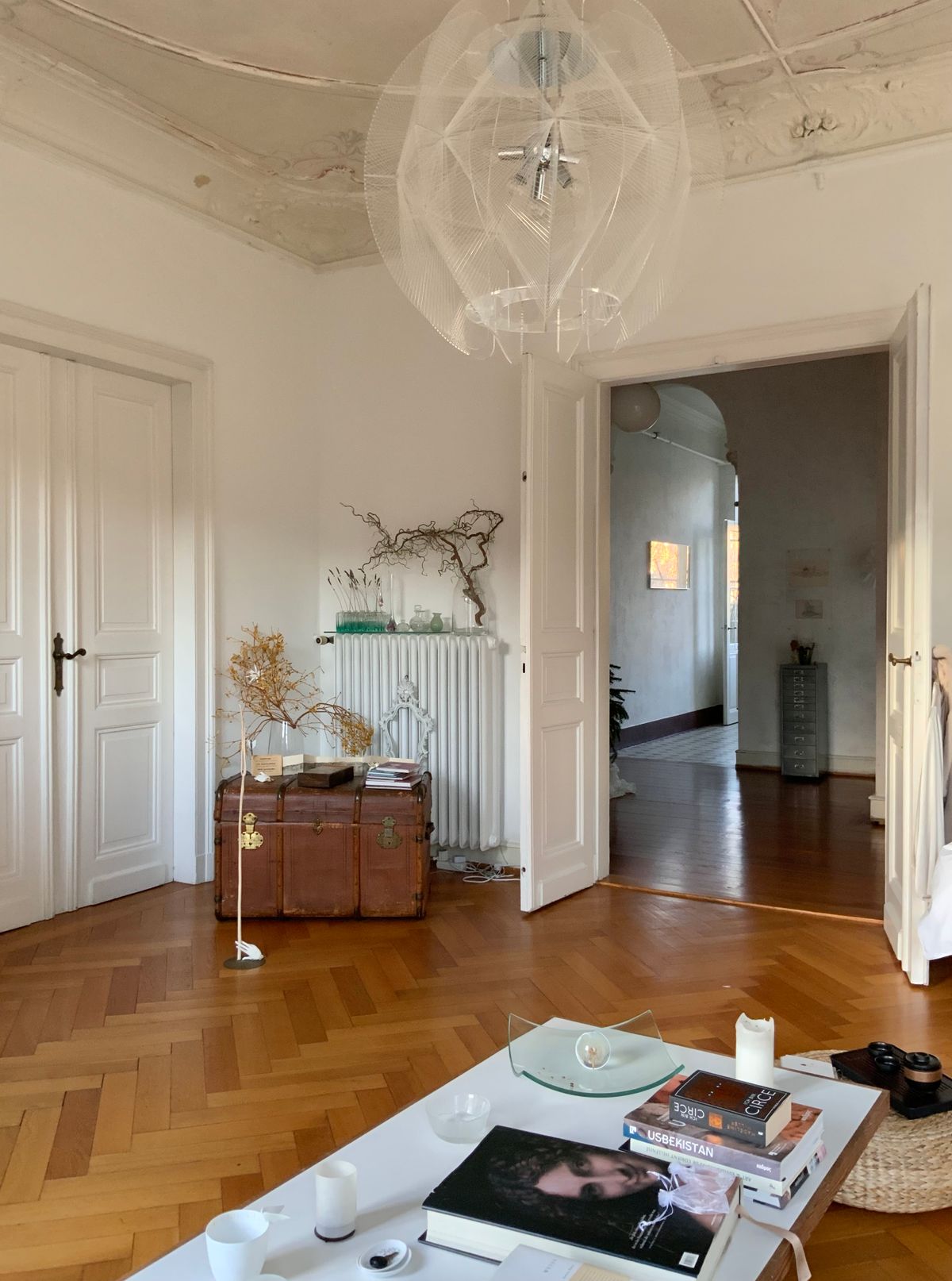
Use this scorecard as a starting point, not a substitute for reviewing an actual sample and the room where it will be installed. “Hardwood” covers solid and engineered products with different constructions. “LVP” covers flexible and rigid-core planks with different wear layers, locking systems and warranties. Quality within each category changes performance.
| Category | Hardwood | Luxury vinyl plank | Typical winner |
|---|---|---|---|
| Authenticity | Genuine wood, unique boards | Printed wood visual | Hardwood |
| Water resistance | Requires prompt cleanup | Highly water-resistant product | LVP |
| Scratch behavior | Can scratch; may be renewed | Resists routine scuffs; cannot be refinished | Depends on priority |
| Long-term renewal | Many floors can be recoated or refinished | Worn floor is replaced | Hardwood |
| Initial budget | Usually higher | Usually lower | LVP |
| Below-grade use | Engineered only when conditions allow | Common choice after moisture evaluation | LVP |
| Underfoot character | Warm, natural, solid feel | Resilient; feel varies by construction | Personal preference |
| Style life | Natural wood is enduring | Visual layer follows manufactured styles | Hardwood |
Neither floor is maintenance-free or damage-proof. LVP marketing sometimes suggests that a waterproof plank makes the entire room waterproof, but water may still reach the subfloor through perimeters and transitions. Hardwood marketing may emphasize longevity, but a thin engineered veneer may have limited sanding potential. Written product specifications and site conditions should guide the decision.
What Hardwood and LVP Are Actually Made Of
Solid and engineered hardwood
Solid hardwood is milled from wood through its thickness. Its substantial wear surface is one reason well-maintained floors can remain in service through repeated renewal. It also responds naturally to humidity by expanding and contracting, so correct moisture conditions, acclimation and expansion planning are essential.
Engineered hardwood places a real hardwood veneer over a layered core. That cross-layer construction improves dimensional stability and broadens installation options. Veneer thickness, core quality and finish determine how the floor feels, wears and whether it can be sanded in the future. Engineered does not mean synthetic: the visible surface is genuine wood, but not every engineered product offers the same renewal potential.
Luxury vinyl plank and rigid core
LVP combines a protective wear surface, a printed design layer and a vinyl-based structure. Rigid-core categories such as SPC add a dense core for dimensional stability and click-lock installation. Some products include attached pad. The visual can reproduce oak, hickory, walnut or stone, while embossing adds surface texture.
The printed design is both a strength and a limitation. It allows consistent color, low maintenance and broad availability. However, it cannot be sanded to expose fresh material or restained into a new color. Pattern repeat, bevel design and surface sheen distinguish convincing products from those that look manufactured. A thoughtful layout mixes planks to avoid obvious repeated prints.
Appearance and Feel: Can LVP Look Like Real Hardwood?
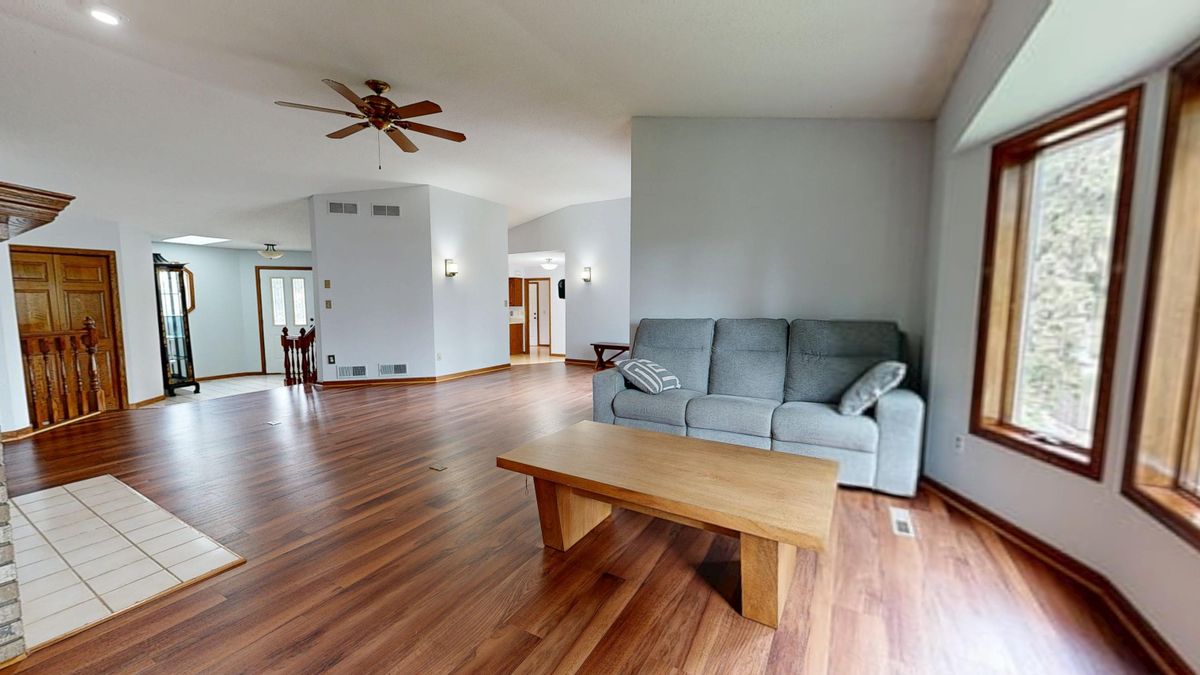
Premium LVP can look convincing from normal standing height. High-resolution imagery, varied plank patterns, registered embossing and painted bevels create depth that entry-level products lack. Natural midtone oak visuals are especially effective because grain and color variation reduce visible repetition. Consistent installation through connected spaces also makes the result feel intentional.
Hardwood remains visually unique. Each board grew with its own grain, mineral streaks and color movement. Light changes across actual fibers rather than a printed image. Wood feels warm and substantial, and minor dents can become patina instead of signaling that a manufactured surface has failed. That distinction matters to some homeowners and is unimportant to others.
Evaluate full-size boards rather than a small chip. Place them beside cabinets, paint and daylight. Look at the same sample in morning and evening light. For LVP, ask how many unique plank images appear in the collection. For hardwood, understand the grade and expected natural variation so knots or color changes are not surprises.
Sound is another part of appearance because it shapes perceived quality. Floating LVP can sound hollow when the subfloor is uneven or the system is poorly selected. Attached pad and proper preparation help, but adding unapproved extra underlayment may stress locking joints. Nailed or glued hardwood often feels acoustically integrated with the structure. Neither system should squeak, click or move when installed correctly.
Water Resistance and Richmond Humidity
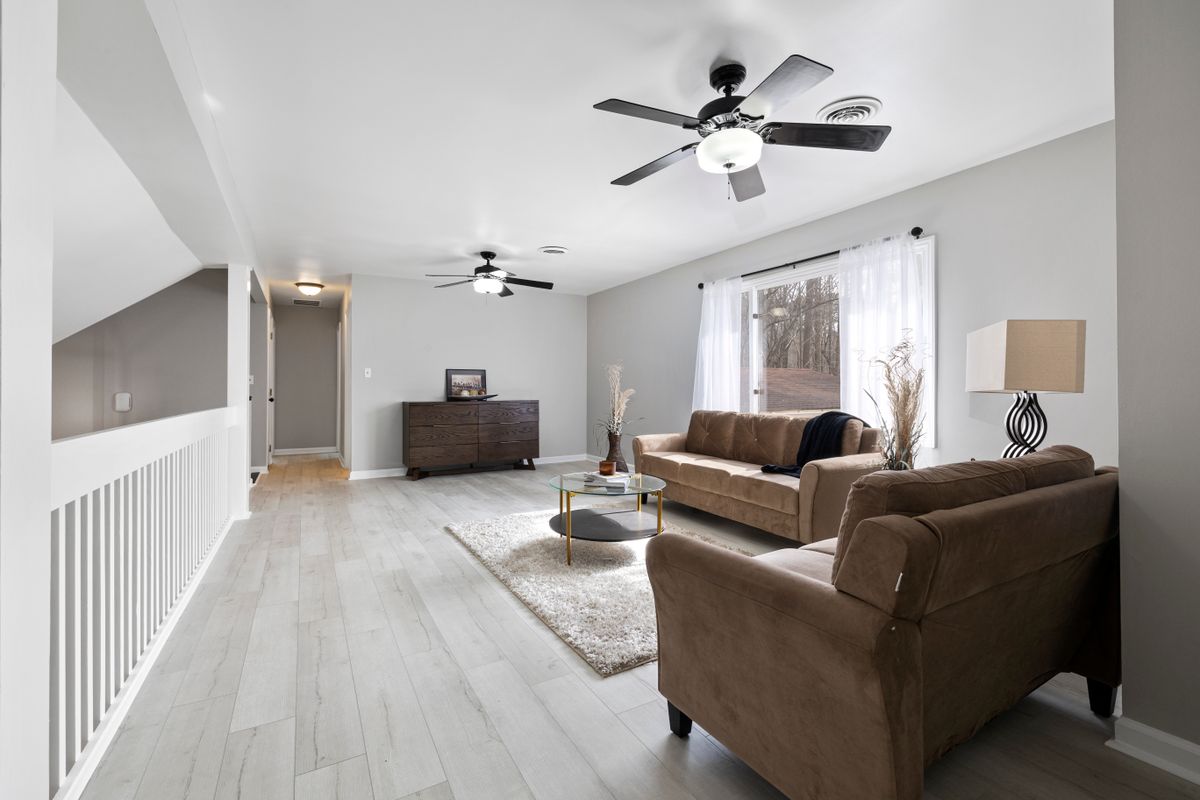
LVP has the clearer advantage around surface water. The plank itself generally does not absorb a spill the way wood does, making it practical near exterior doors, in busy kitchens and in many finished basements. That advantage does not excuse leaks. Water that travels below a floating floor can remain trapped, affect the subfloor and require planks to be lifted for drying.
Hardwood requires more disciplined moisture management. Promptly wiping spills, maintaining indoor conditions and using appropriate entry mats protect the finish and joints. Solid wood is generally not the first recommendation for below-grade rooms. Engineered hardwood may be considered where product instructions, subfloor conditions and moisture readings allow it.
Richmond's humid summers and seasonal HVAC changes make site evaluation important. Wood moisture content and room conditions should be compatible before installation. The subfloor must also be tested using methods appropriate to wood framing or concrete. Installing over an active moisture problem does not become safe simply because the finish material is marketed as waterproof.
Basements, slab-on-grade additions and older homes deserve special attention. A basement may need vapor management or repairs before any finish floor. Older properties in Church Hill, The Fan and Museum District may have multiple layers, irregular framing or airflow patterns. Newer houses in Chesterfield or Short Pump can still have slab flatness and construction moisture concerns. Location alone never replaces inspection.
Scratches, Dents and Everyday Durability
Hardwood scratches. That honest statement does not mean it is fragile. A quality finish handles normal walking, while species hardness, texture, sheen and color influence how dents and scratches appear. Light natural oak, wire-brushed texture and satin or matte sheen disguise wear better than a dark glossy floor. Furniture pads, clean entry mats and trimmed pet nails make a significant difference.
LVP typically resists routine scratching well because its clear wear surface protects the printed design. Compare coating quality and warranty terms, not only wear-layer thickness. Grit dragged under furniture can scratch vinyl, sharp objects can gouge it and heavy stationary loads may indent some constructions. Once damage passes through the image layer, refinishing is not available.
Hardwood's long-term advantage is repair strategy. A professional may replace a board, apply a maintenance coat or sand and refinish hardwood floors, depending on construction and condition. LVP's strategy is usually plank replacement. Keeping extra material is important because color lots and collections change. A middle-of-room click plank may require disassembly from the nearest accessible edge.
Cleaning and Maintenance
LVP is usually simpler. Sweep or vacuum grit, damp-clean with a manufacturer-approved product and wipe spills. Avoid assuming a steam mop is safe; heat can affect joints, coatings or adhesives. Do not flood a floating floor. Protective pads and entry mats still matter.
Hardwood needs similarly gentle routine cleaning with less water. Dust removal prevents abrasion, and spills should be addressed promptly. The finish—not bare wood—is the immediate wear surface, so use cleaners approved for that finish. Oil soaps, waxes or residue-forming products can complicate future recoating. A professional maintenance coat applied before the finish wears through can postpone aggressive sanding.
Neither floor benefits from harsh chemicals or improvised internet cleaning recipes. Save the product name, color, lot information, warranty and care instructions after installation. That record helps when buying approved cleaner, planning repairs or ordering matching transitions.
Initial Cost, Lifetime Cost and Resale Value
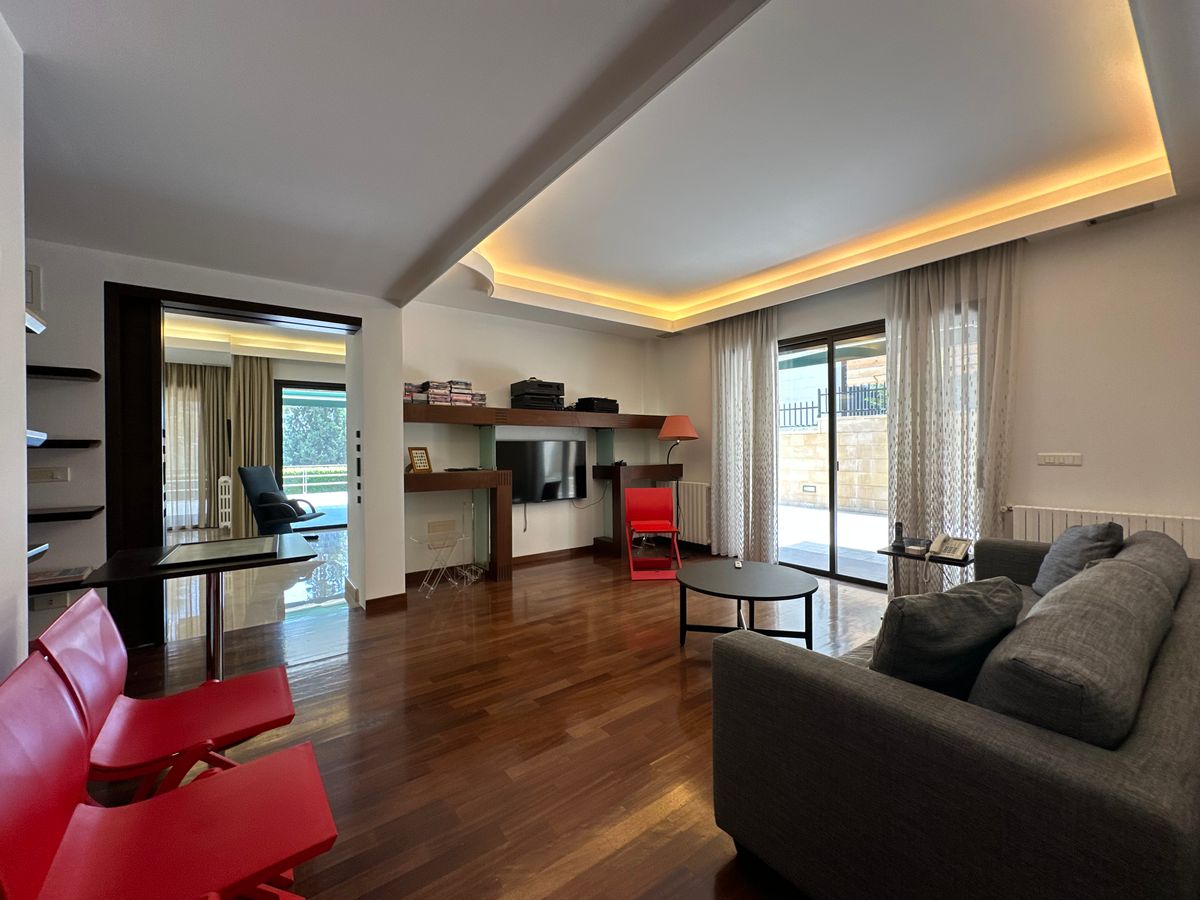
LVP usually wins on initial investment. Material and installation can be more accessible, and a floating system may reduce labor in suitable conditions. However, “install over anything” is not a sound budget plan. Removal, floor flattening, moisture mitigation, transitions and trim can still affect scope. Covering an unsuitable surface can preserve a problem rather than eliminate it.
Hardwood usually requires a larger initial commitment. Material, skilled installation, acclimation and site finishing where applicable add value to the scope. In return, many wood floors offer a long service horizon and the ability to renew the surface. A floor that is maintained and refinished rather than fully replaced should be evaluated differently from a product with a finite, nonrenewable visual layer.
Resale value is property-specific. Real hardwood is widely recognized as a premium finish and may align naturally with historic or higher-end houses. Quality LVP can be attractive in practical spaces, updated rentals and homes where buyers prioritize easy care. Poor-quality material or rushed installation can hurt perception in either category. Buyers notice uneven joints, weak transitions, obvious pattern repetition, mismatched repairs and hollow movement.
Request an itemized quote rather than comparing material price alone. It should clarify removal, disposal, subfloor work, moisture-related work, installation, trim, transitions and cleanup. Del Carlo's separate Richmond flooring installation cost guide explains the factors that shape a complete project.
Which Floor Is Better Room by Room?
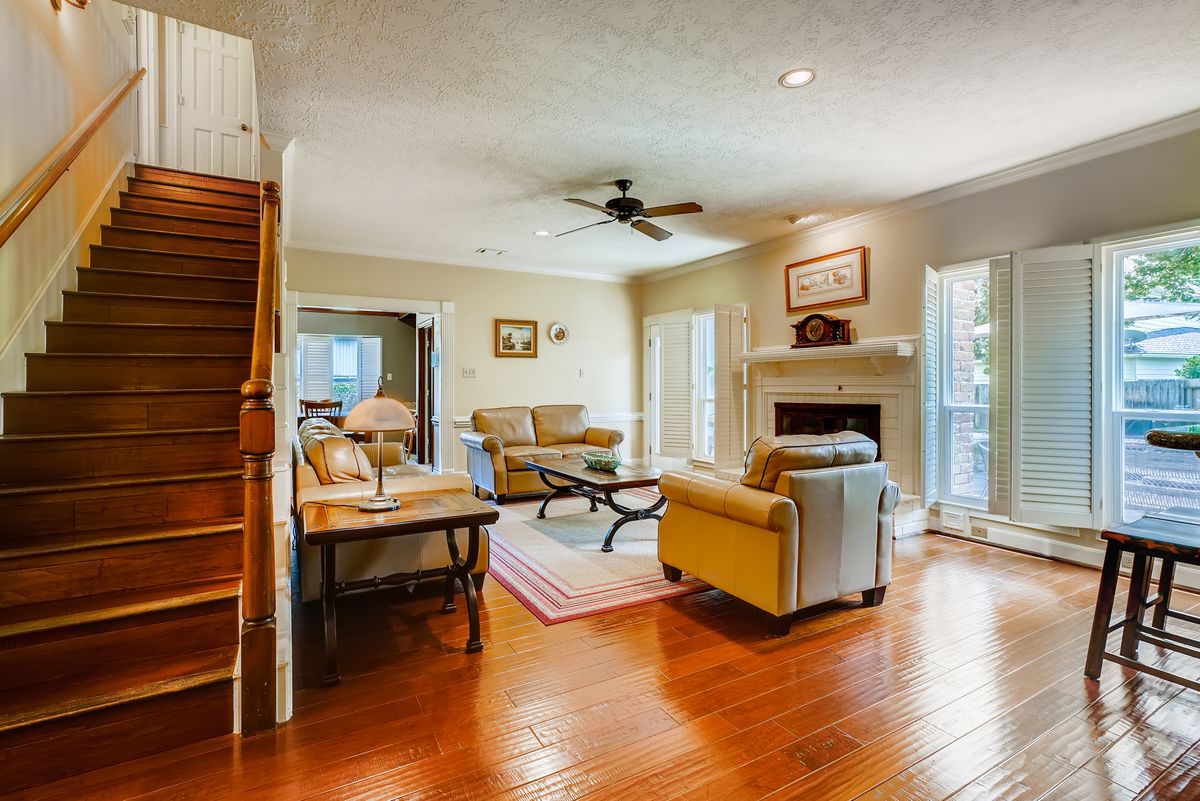
Living rooms and dining rooms
Hardwood is compelling in visible main-level rooms where natural character and architectural permanence matter. LVP suits active households that want a consistent wood look with easier spill management. Consider how the selected floor connects to the kitchen, entry and stairs before deciding room by room.
Kitchens
LVP offers easier water management around sinks, dishwashers and exterior doors. Hardwood can succeed in kitchens when leaks are addressed immediately and owners accept natural wear. Avoid trapping appliances in ways that prevent service, and plan cabinet and floor sequencing as part of a coordinated renovation.
Bathrooms and laundry rooms
LVP may be approved for certain bathrooms, but porcelain tile flooring remains a strong wet-area alternative. Solid hardwood is generally a poor match for frequent water exposure. Product instructions and fixture details determine whether LVP is appropriate around tubs, toilets and laundry equipment.
Basements
Rigid-core LVP is usually the practical finalist after the slab and moisture conditions are evaluated. Hardwood below grade is limited; engineered products may be possible only when their specifications and the site allow. Never use finish flooring to conceal an unresolved water issue.
Bedrooms
Either material works. Hardwood provides natural warmth and longevity; LVP offers simple cleaning and budget control. Carpet installation is another option when softness and acoustic comfort lead the decision.
Whole-home continuity
One continuous floor can make an open plan feel larger, but forcing a single material into unsuitable rooms is not always wise. Thoughtful transitions at doorways or changes in level can separate wet, dry and below-grade zones without making the house feel fragmented.
Pets, Children, Allergies and Busy Households
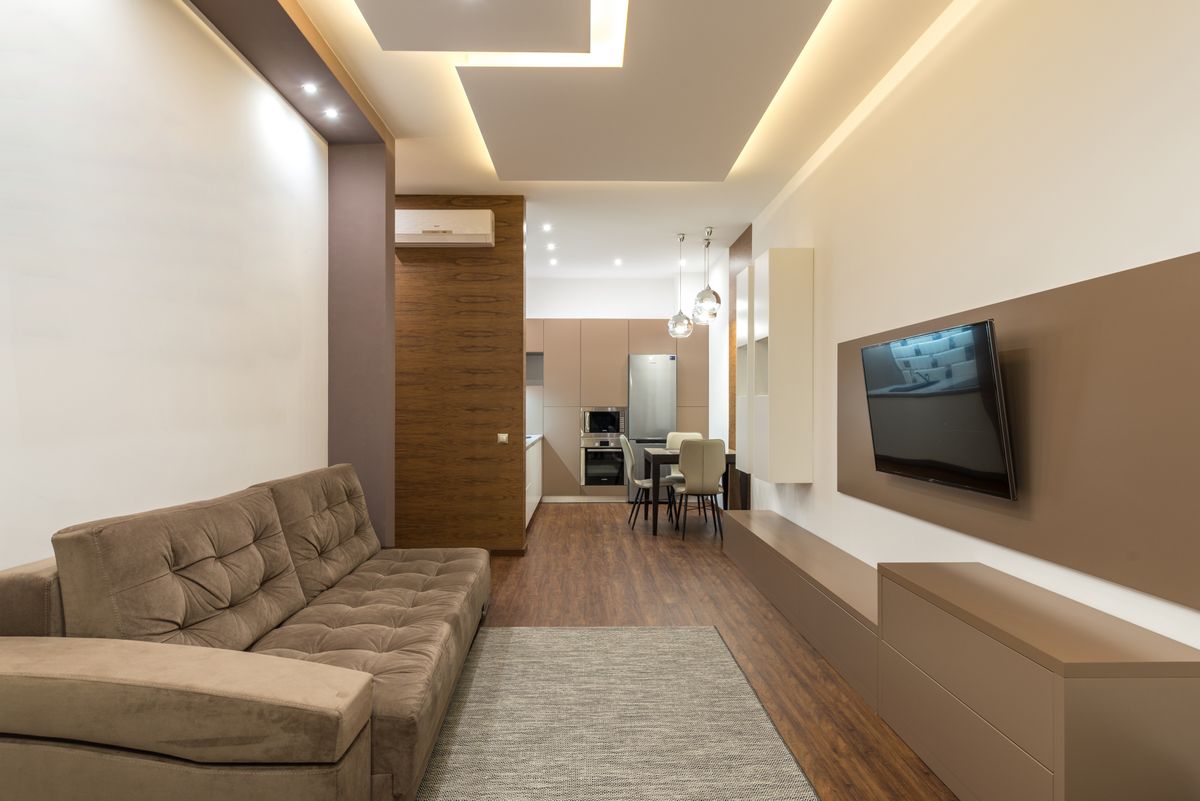
LVP is popular with children and pets because spills are less threatening and routine cleanup is fast. Select a textured low-sheen surface for traction, compare indoor-emissions documentation and keep animals and children away during installation or adhesive cure periods. A quality product is important in rooms where people spend substantial time close to the floor.
Hardwood can also be family-friendly. Its scratches tell the story of use, and a repairable natural surface may appeal to owners who prefer maintaining materials over replacing them. Choose forgiving tones and finishes. Clean pet accidents promptly, place washable mats below bowls and use runners in high-energy paths.
Both smooth surfaces make visible dust and hair easier to remove than deep carpet. No floor treats allergies, and indoor air involves filtration, humidity, cleaning and many materials. If sensitivity is a priority, review product-specific emission certifications, finish and adhesive information with the installer rather than assuming every product in a broad category is identical.
Installation and Subfloor Requirements
Hardwood may be nailed, stapled, glued or floated depending on its construction and the substrate. Each method has moisture, flatness and environmental requirements. Solid wood usually needs site acclimation based on measured conditions, not an arbitrary number of boxes sitting in a room. Engineered products also follow manufacturer instructions.
Rigid-core LVP commonly floats with click joints, though glue-down systems exist. Floating does not mean preparation-free. High and low subfloor areas can cause flex, joint stress, sound and visible telegraphing. Perimeter clearance, fixed vertical objects, maximum run dimensions and transition requirements must be respected.
Old flooring removal reveals information that a surface inspection cannot. Loose panels, damaged underlayment, moisture staining and uneven patches affect the plan. The cheapest quote may exclude this work or list it as an undefined allowance. Ask how unexpected conditions are documented, priced and approved.
Professional installation also protects the design. Board direction, balanced cuts, stair details, transitions and pattern mixing shape the finished result. Del Carlo Flooring's process includes measurement, substrate evaluation, material discussion, written scope, preparation, installation and final walkthrough.
A Five-Question Decision Guide
- Where is the floor going? Below grade, frequent water and exterior access favor LVP; prominent dry living spaces strengthen hardwood's case.
- How do you feel about visible aging? Choose hardwood if patina and future refinishing appeal to you. Choose LVP if predictable appearance and straightforward care matter more.
- What is your ownership horizon? Long-term owners may value renewable hardwood. Shorter timelines or rentals may favor LVP's initial economics.
- What does the property call for? Historic architecture or a premium market may support hardwood. A practical basement or busy family area may call for LVP.
- What does the complete quote include? Compare preparation, installation and finishing scope rather than material price alone.
Frequently Asked Questions
Is hardwood or LVP better?
Hardwood is better for natural character, refinishing potential and long-term prestige. LVP is better for water resistance, easier maintenance and a lower initial investment. The right choice depends on the room, household, property and ownership horizon.
Does LVP lower home value compared with hardwood?
Real hardwood is generally viewed as a premium permanent finish, but resale value depends on property, neighborhood, product quality and installation. Quality LVP can still be attractive where water resistance and practical upkeep are more relevant.
Which lasts longer, hardwood or luxury vinyl plank?
A well-maintained hardwood floor can serve a home for generations because many products can be refinished. LVP has a finite wear surface and is replaced rather than sanded when worn, although quality material and installation can provide many years of service.
Is LVP really waterproof?
Many LVP products are waterproof as individual planks, but an installed room is not a waterproof basin. Water can reach the subfloor through edges, transitions or damaged joints, so spills, appliance leaks and flooding still require prompt attention.
Which is better for dogs and children?
LVP is often the practical choice for busy homes because it resists spills and routine scratches. Hardwood can also work when homeowners accept visible patina, clean spills quickly and choose a durable, forgiving low-sheen finish.
Can LVP look as good as hardwood?
Premium LVP can reproduce convincing color, grain and texture, especially in a well-planned installation with varied plank images. Hardwood remains unique because every board is real wood with natural variation and visual depth.
Which floor handles Richmond humidity better?
Rigid-core LVP is less dimensionally responsive to humidity than solid wood. Engineered hardwood can be a stable real-wood option when conditions, acclimation, moisture testing and installation are handled correctly.
Can Del Carlo Flooring install both hardwood and LVP?
Yes. Del Carlo Flooring installs hardwood, engineered wood, luxury vinyl plank and laminate throughout Richmond and Central Virginia. The team can compare both options during a free, no-pressure project estimate.
Choose Your Floor With a Richmond Installation Professional
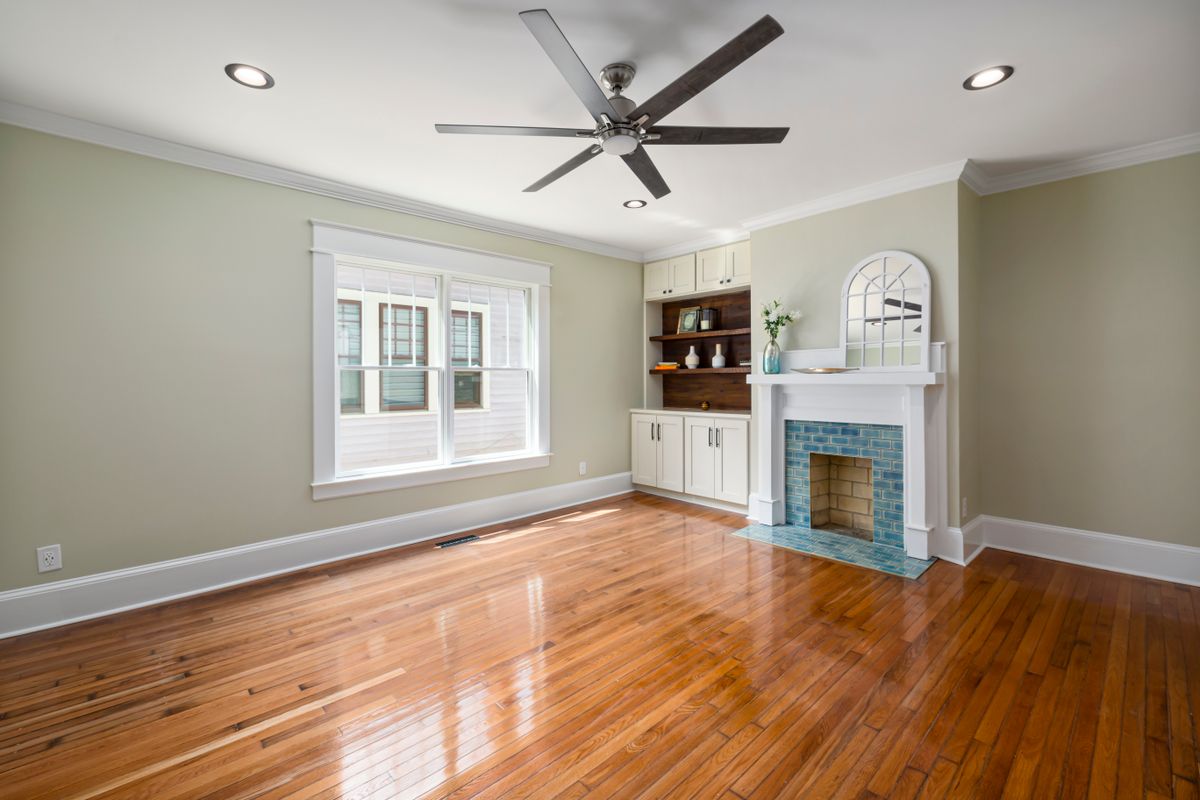
The hardwood vs. LVP choice becomes easier when you separate appearance, room conditions, lifestyle and time. Hardwood offers authentic natural variation, architectural permanence and renewal potential. LVP offers strong water resistance, simple daily care and accessible initial cost. Neither benefit compensates for an unsuitable subfloor or rushed installation.
Del Carlo Flooring is a family-owned flooring and remodeling company serving Richmond and Central Virginia. Learn more about Del Carlo Flooring, review our hardwood and LVP services, or contact our team for a free estimate. We will evaluate your rooms, explain the tradeoffs and prepare a clear scope without pushing one material into every home.
Explore Del Carlo Flooring Services in Richmond, VA
Professional installation, refinishing and remodeling for homes across Central Virginia.