What Is the Best Waterproof Flooring for Basements?
Rigid-core LVP (WPC or SPC) is generally the best waterproof flooring for basements because it floats over concrete, tolerates topical moisture, and feels warmer and quieter than tile. Porcelain tile offers the strongest overall moisture resistance for basements with a history of dampness, while waterproof laminate and carpet tile serve specific comfort and budget needs. The right waterproof flooring for basements depends on your slab's moisture history, how the room will be used, and whether the space has ever taken on water.
Basements fail flooring products more often than any other room in the house, and the reason is almost always moisture rather than foot traffic. Concrete slabs sit against soil that holds groundwater, and even a slab that looks and feels dry can be pushing water vapor upward continuously. Waterproof flooring for basements has to survive that constant low-level moisture exposure in addition to the occasional flood, leak or humid Richmond summer.
Richmond's clay-heavy soil, older stone or block foundations, and homes built before modern vapor barriers were standard all make basement flooring a different challenge than a kitchen or bedroom upstairs. This guide compares the waterproof flooring for basements that Del Carlo Flooring installs across Richmond and Central Virginia, including rigid-core LVP, porcelain tile, waterproof laminate, carpet tile and polished concrete.
Basement Flooring Comparison at a Glance
No single material solves every basement condition. Tile resists moisture better than anything else but feels cold in an unheated space. Rigid-core LVP balances moisture tolerance with comfort. The scorecard below narrows the field before we look at each option in detail.
| Flooring | Moisture resistance | Comfort/warmth | Flood tolerance | Install over concrete | Best use |
|---|---|---|---|---|---|
| Rigid-core LVP/SPC | Excellent | Good | Very good | Excellent | Best overall |
| Porcelain tile | Excellent | Fair | Excellent | Excellent | Chronic dampness |
| Waterproof laminate | Good, not unlimited | Good | Fair | Good | Dry, finished basements |
| Carpet tile | Fair with proper backing | Excellent | Poor | Fair | Media rooms, playrooms |
| Polished/stained concrete | Excellent | Poor | Excellent | N/A | Utility and gym spaces |
Scores assume correct installation over a properly tested slab. Even the most waterproof flooring for basements can fail early over an untested slab with active hydrostatic pressure, so preparation and moisture testing matter as much as the product itself.
The 7 Things to Look for in Waterproof Flooring for Basements
1. Vapor and moisture-vapor transmission
Concrete slabs constantly release water vapor upward, even without a visible leak. Waterproof flooring for basements should be rated for below-grade use and paired with a vapor barrier or vapor-rated underlayment appropriate to the slab's moisture reading.
2. Standing-water and flood tolerance
Sump pump failures, heavy storms and washing-machine leaks happen. A floating, waterproof product that can be dried and reused, rather than one that must be torn out after a single event, is a major practical advantage in a basement.
3. Mold and mildew resistance
Any material with an absorbent core or backing can trap moisture against the slab and encourage mold growth. Waterproof flooring for basements should use closed-cell or non-organic materials throughout, not just on the visible top surface.
4. Comfort and insulation from the slab
Bare concrete feels cold and unforgiving. An attached underlayment pad or a floating installation with a thin foam layer improves comfort significantly for basement living spaces, home gyms and playrooms.
5. Compatibility with slab moisture testing
Every reputable waterproof flooring for basements product publishes a maximum acceptable slab moisture reading. Skipping this test is one of the most common reasons basement flooring fails within the first year.
6. Sound and acoustic control
Finished basements used as media rooms or guest suites benefit from acoustic underlayment that reduces hard footfall noise, provided the underlayment is also approved for below-grade moisture conditions.
7. Style continuity with the rest of the home
A finished basement is increasingly treated as real living space rather than storage. Coordinating flooring tone and finish with the level above helps the basement feel like an intentional part of the house rather than an afterthought.
1. Rigid-Core LVP: Best Overall Waterproof Flooring for Basements
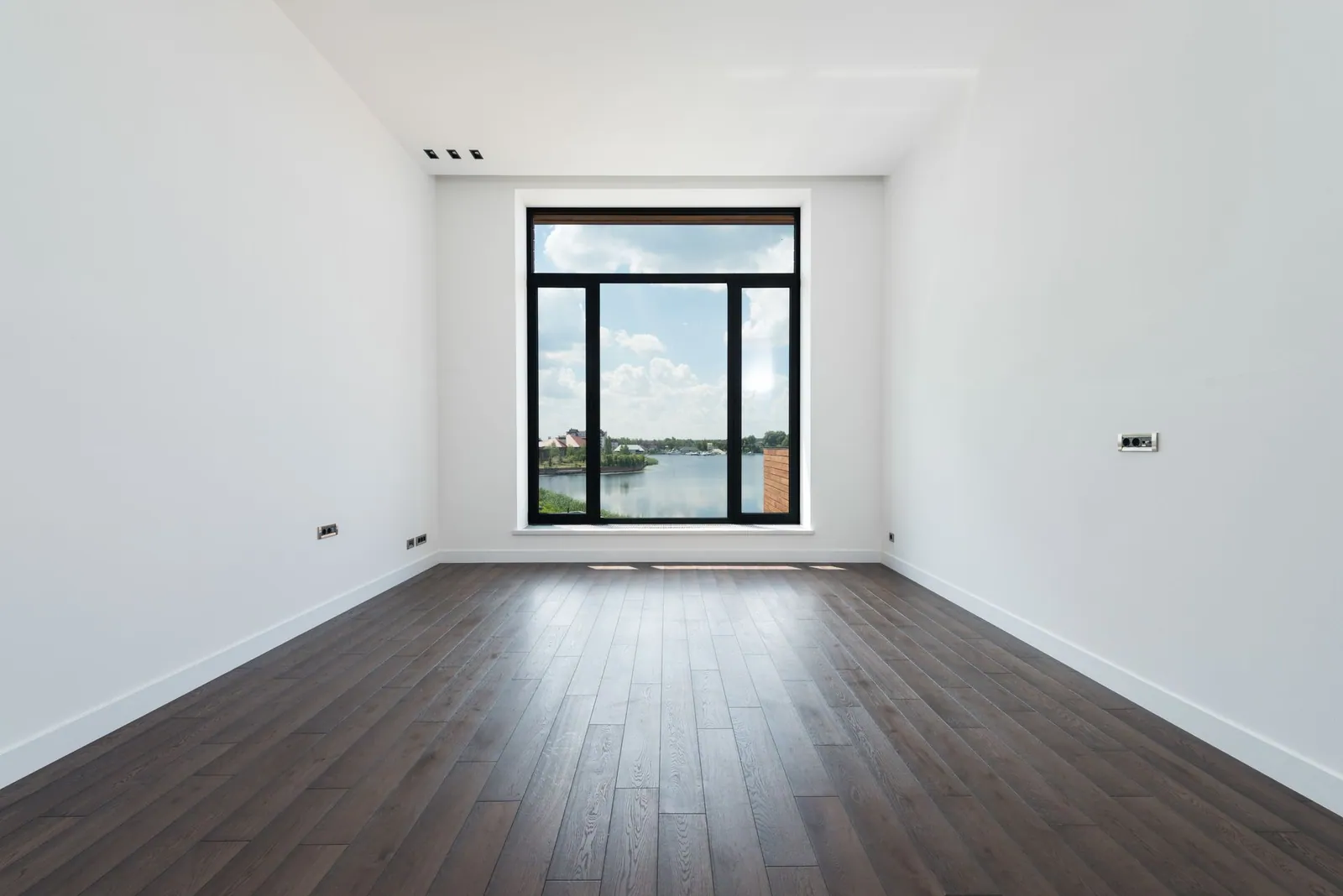
Quality luxury vinyl plank flooring with a WPC or SPC rigid core earns the top spot among waterproof flooring for basements because it floats over a prepared slab, tolerates topical moisture at the material level, and feels considerably warmer and quieter than tile underfoot.
Do not assume every plank marketed for basements is equal. Compare the core density, locking system, attached pad and the manufacturer's specific below-grade approval language. Some products explicitly approve basement use after moisture testing; others do not mention it at all, which usually means the warranty will not cover a below-grade failure.
Even the best rigid-core LVP is not a substitute for managing the source of moisture. Waterproof flooring for basements performs best alongside functioning gutters, grading that moves water away from the foundation, and a sump pump or French drain where groundwater is a known issue. A local flooring company can test the slab and recommend the right underlayment before installation.
2. Porcelain Tile: Maximum Moisture Resistance
For basements with a documented history of dampness, seasonal seepage or high ambient humidity, porcelain tile flooring is the most durable form of waterproof flooring for basements available. Dense porcelain absorbs almost no water and will not swell, warp or support mold growth the way an organic-core product can.
Tile's tradeoff in a basement is thermal comfort. Concrete below grade tends to stay cool year-round, and tile does not add any insulating value on its own. Area rugs with moisture-resistant backing, radiant floor heating installed beneath the tile, or simply pairing tile with a warmer material in seating areas can offset this in a finished space.
Installation requires a stable, properly prepared slab and attention to expansion joints in older Richmond foundations, which can shift slightly with seasonal moisture changes. A crack-isolation membrane is often worth the added cost in a basement setting.
3. Waterproof Laminate: Budget-Friendly Basement Flooring
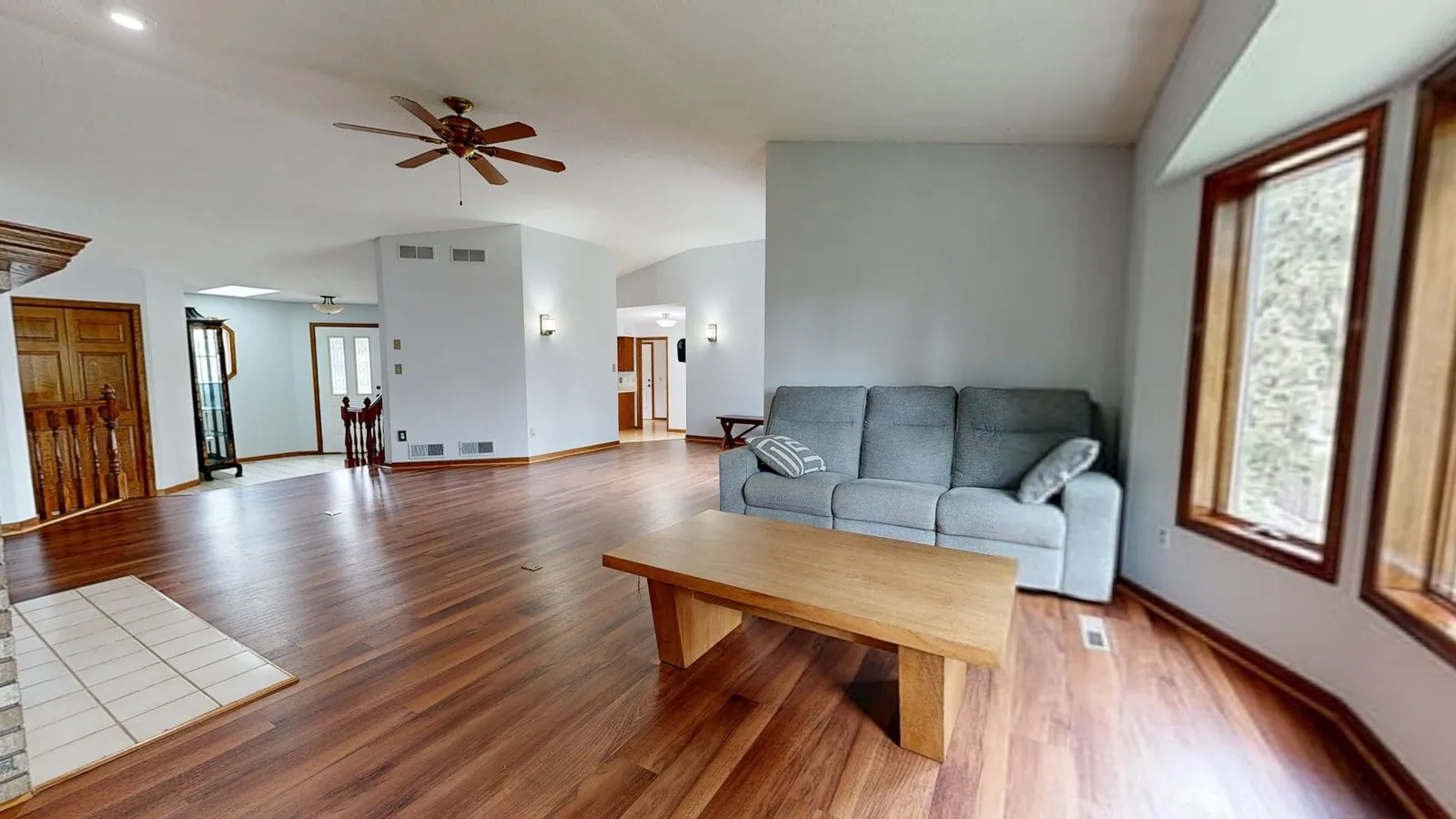
Waterproof laminate can serve as a budget-conscious form of flooring for a basement that has already been confirmed dry through moisture testing and has no history of water intrusion. Its wood-fiber core is treated and sealed at the edges to resist surface moisture, but it remains less forgiving than LVP or tile if water reaches the slab beneath it.
This makes waterproof laminate a reasonable choice for finished basements used as guest bedrooms or home offices where flooding risk is low, but a poor fit for basements near a sump pump, water heater or washing machine. Confirm the manufacturer's explicit below-grade approval before purchasing, since not every laminate line permits basement installation.
4. Carpet Tile: Comfort for Basement Rec Rooms
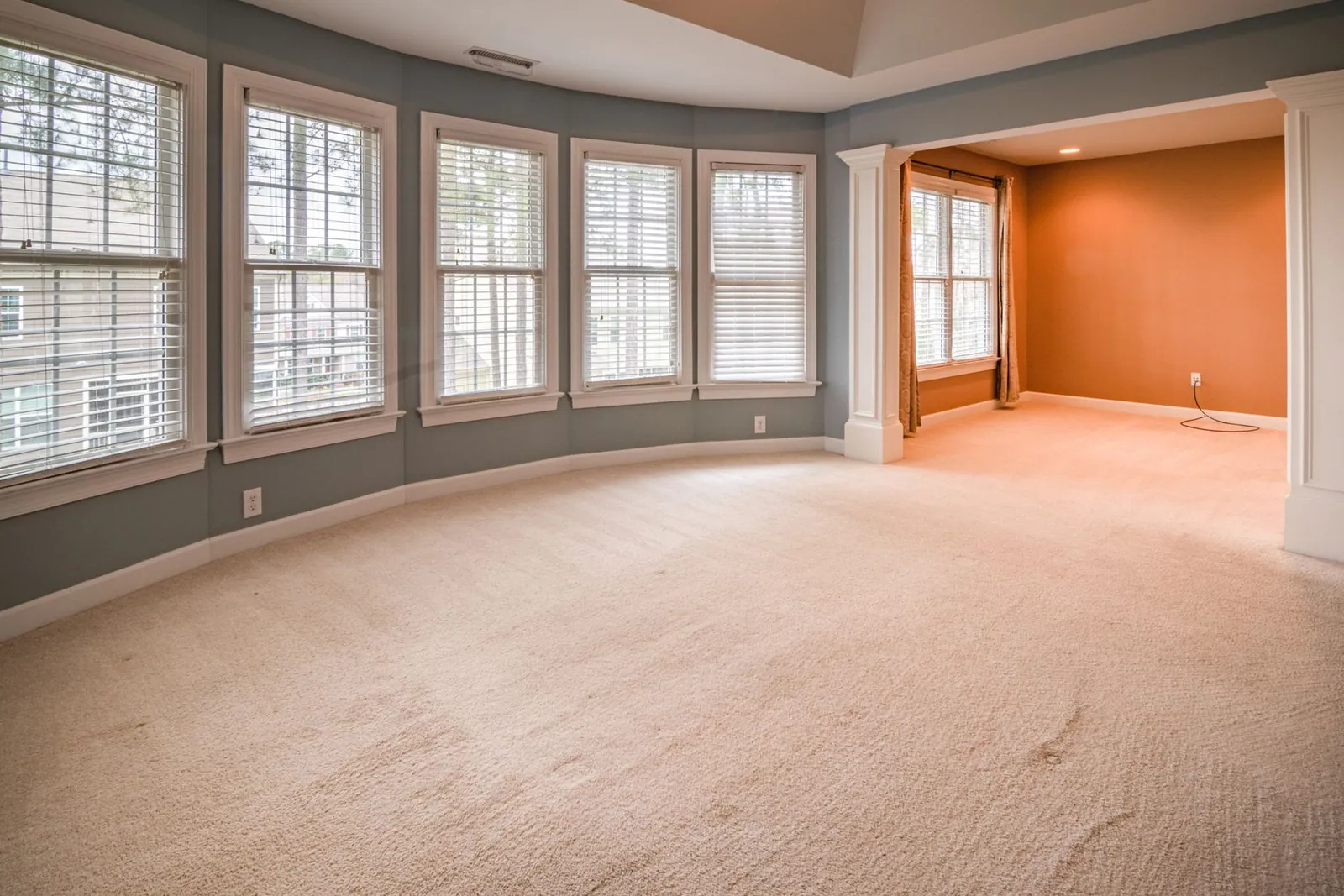
Carpet tile with a closed-cell, moisture-resistant backing brings a level of comfort and sound absorption that no hard surface can match, which matters for basement media rooms, home theaters and children's play spaces. Individual tiles can also be lifted, dried and replaced after a minor water event far more easily than wall-to-wall broadloom.
Standard wall-to-wall carpet and traditional padding are a poor fit as waterproof flooring for basements, because the padding absorbs and holds moisture against the slab, creating ideal conditions for mold even when the surface fibers look dry. If softness is a priority, insist on a carpet tile system engineered specifically for below-grade use.
5. Polished or Stained Concrete: The No-Cover Option
Polished or stained concrete is, by definition, some of the most reliable waterproof flooring for basements, since it eliminates the seams, cores and backings that other materials must protect from moisture. It suits home gyms, workshops and utility areas where a warmer, softer surface is less important than durability and simplicity.
The tradeoffs are comfort and acoustics. Bare concrete stays cool, transmits sound readily, and offers no cushioning for a playroom or a media space. Many homeowners pair polished concrete in utility zones with a warmer waterproof flooring for basements option, like rigid-core LVP or carpet tile, in the areas meant for relaxing or entertaining.
Choosing Waterproof Flooring for Basements by Use
Home theaters and media rooms
Sound control and comfort matter most here. Carpet tile or rigid-core LVP with an acoustic underlayment both work well, provided the products are explicitly rated for below-grade moisture conditions.
Home gyms
Impact resistance and easy cleaning outweigh softness. Rigid-core LVP or sealed polished concrete, paired with rubber gym tiles in weight-drop zones, holds up better than carpet or laminate.
Guest suites and in-law spaces
Comfort and style matter as much as durability when a basement functions as real living space. Rigid-core LVP with a wood-look finish usually strikes the best balance for a guest bedroom or small basement apartment.
Waterproof Flooring for Basements Prone to Flooding
Homes with a documented flooding history need the most conservative approach. Porcelain tile or a floating rigid-core LVP that can be lifted, dried and reinstalled after a water event are far more forgiving than laminate, hardwood or standard carpet in a flood-prone basement.
Richmond Slabs, Moisture Testing and Local Considerations
Richmond's clay soil retains water longer than sandier soils, which increases hydrostatic pressure against basement walls and slabs, especially after the region's heavy summer storms. Older homes near the James River and in low-lying neighborhoods face a higher baseline moisture risk than newer construction on well-drained lots in Midlothian or Short Pump.
Before recommending any waterproof flooring for basements, a proper evaluation should include a slab moisture test, a check of exterior grading and gutters, and a conversation about whether a sump pump or French drain is already in place. Skipping this step is the single most common reason basement flooring projects fail within the first year or two.
Del Carlo Flooring evaluates these conditions directly rather than assuming every basement is the same. We serve homeowners throughout Richmond, Henrico, Chesterfield, Midlothian, Glen Allen and surrounding Central Virginia communities.
Seasonal patterns matter too. Spring thaw and late-summer storms tend to reveal problems that a bone-dry winter inspection can miss, so a moisture test performed during the driest part of the year should be treated as a baseline rather than a guarantee. Homeowners planning to finish a basement after a recent heavy rain season are especially encouraged to wait for conditions to stabilize and retest before installing any waterproof flooring for basements, since a rushed installation over a temporarily saturated slab can undermine an otherwise excellent product.
Best Colors and Finishes for Basement Flooring
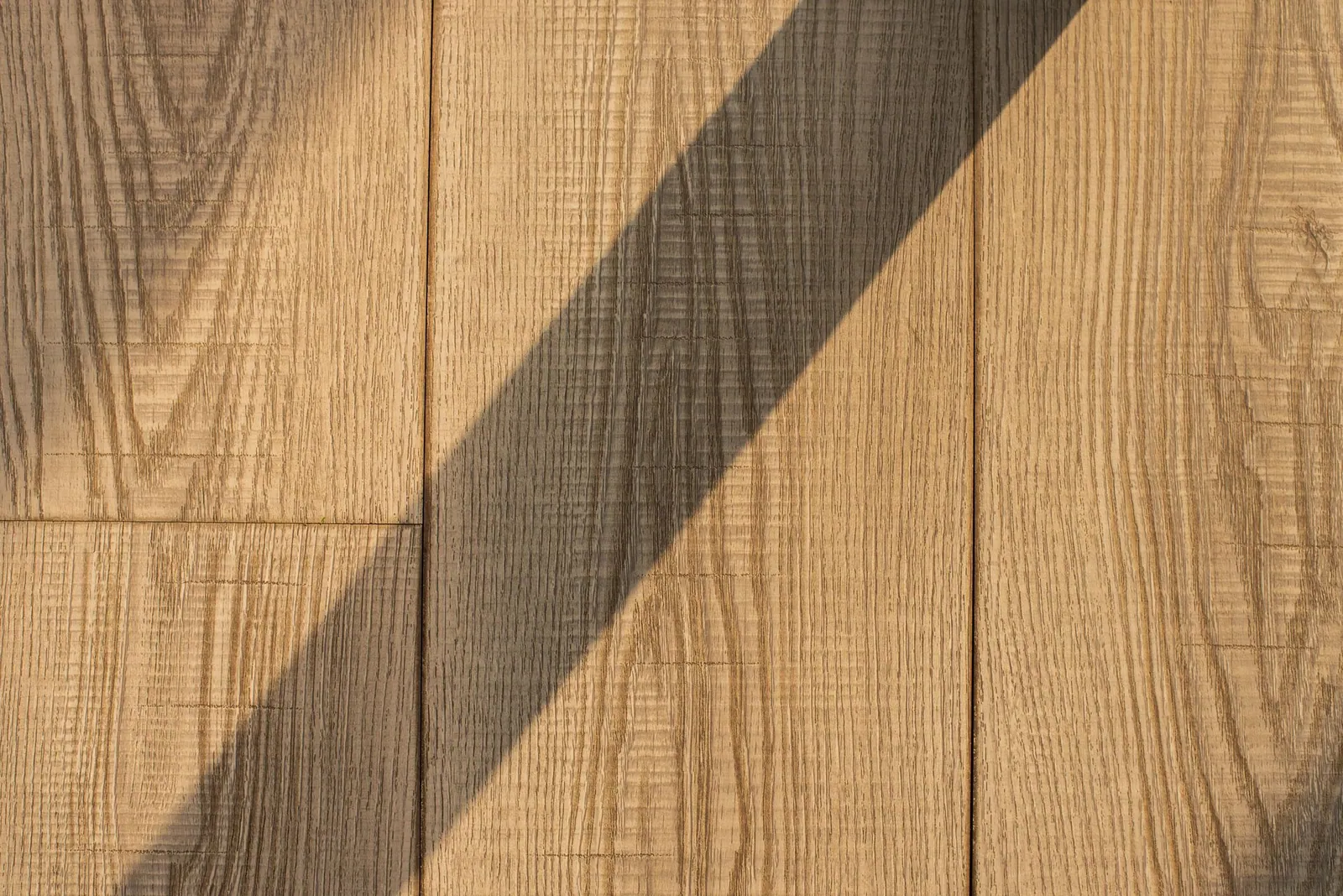
Basements typically receive less natural light than rooms above grade, so lighter, warmer tones generally make the space feel larger and less confined. A mid-tone wood-look plank or a light gray-beige tile tends to work better in a basement than a very dark, dramatic finish that can make an already low-light room feel smaller.
Matte and low-sheen finishes are especially useful in basements because they hide the fine dust and minor scuffs that accumulate in below-grade utility and storage areas without requiring constant polishing. Homeowners installing egress windows or additional recessed lighting as part of a basement finishing project should bring flooring samples into the room after that work is complete, since artificial light and daylight from a new window can shift how a color reads once the space is finished.
Consistency with the stairwell and the level above also matters more in a basement than people expect. A dramatic change in tone or material right at the bottom of the stairs can make a finished basement feel disconnected from the rest of the house, while a complementary tone helps waterproof flooring for basements read as a natural continuation of the home rather than an afterthought.
Humidity Control and Basement Floor Care
- Run a dehumidifier consistently. Keeping relative humidity between 40 and 55 percent protects flooring, furniture and indoor air quality.
- Check the sump pump seasonally. A failed pump during a heavy storm is one of the most common basement flooring emergencies.
- Keep gutters and grading maintained. Water directed away from the foundation reduces the moisture load your flooring has to withstand.
- Wipe up spills and condensation promptly. Even waterproof flooring for basements benefits from prompt cleanup at seams and transitions.
- Watch for musty odors. A persistent smell often signals trapped moisture beneath flooring or behind walls that needs professional attention.
- Avoid steam cleaning. Excess heat and moisture can affect seams and adhesives even on waterproof-rated products.
- Keep spare material on hand. Extra planks or tiles from the original installation make future repairs faster and less visible.
7 Common Mistakes When Installing Waterproof Flooring for Basements
- Skipping slab moisture testing. This single step prevents the majority of basement flooring failures.
- Assuming "waterproof" means no vapor barrier is needed. Most below-grade installations still require one.
- Choosing standard carpet and padding. Absorbent backings trap moisture against the slab.
- Ignoring the source of moisture. New flooring cannot fix poor grading, clogged gutters or a failing sump pump.
- Installing hardwood below grade. Solid hardwood is not designed for basement humidity levels.
- Overlooking manufacturer below-grade approval. Not every LVP, laminate or carpet product is rated for basement use.
- Forgetting a dehumidification plan. Even the best waterproof flooring for basements performs better with controlled indoor humidity.
How Del Carlo Helps You Choose Basement Flooring
Selecting the right waterproof flooring for basements starts with understanding the slab, not the sample board. Del Carlo Flooring follows a practical process built around the space and its moisture history:
- Free project conversation: We discuss the basement's history, intended use, style and budget.
- On-site evaluation: We test slab moisture, check flatness and review drainage, grading and any existing sump pump or French drain.
- Material comparison: We explain realistic tradeoffs among rigid-core LVP, tile, laminate and carpet tile for your specific basement.
- Clear written scope: The estimate identifies vapor barrier requirements, preparation, installation and finishing details.
- Professional preparation and installation: The crew follows manufacturer requirements for below-grade installation.
- Final walkthrough: We review the finished work and humidity-control expectations before the project closes.
Learn more about Del Carlo Flooring, explore our full range of remodeling services, or contact the team for a free, no-pressure estimate.
Frequently Asked Questions About Waterproof Flooring for Basements
What is the best waterproof flooring for basements?
Rigid-core LVP is generally the best waterproof flooring for basements because it tolerates topical moisture, floats over concrete, and feels warmer and quieter than tile. Porcelain tile offers the strongest overall moisture resistance for basements with a history of dampness.
Can hardwood be installed in a basement?
Solid hardwood is generally not recommended below grade. Some engineered hardwood products may be approved after slab moisture testing, but waterproof LVP or tile is usually the more reliable choice.
Does waterproof flooring for basements need a vapor barrier?
Most below-grade installations still require a vapor barrier or vapor-rated underlayment, even with waterproof flooring, because concrete slabs can transmit moisture vapor upward over time.
Is carpet a good choice for a basement?
Carpet tile with a moisture-resistant backing can work in a finished rec room, but standard wall-to-wall carpet and padding are vulnerable to trapped moisture and mold if the slab is not consistently dry.
How do I know if my basement slab has a moisture problem?
A calcium chloride test, relative humidity probe test, or a plastic-sheet test taped to the slab for 24 to 48 hours can reveal moisture issues before installation.
What flooring should I avoid in a basement?
Solid hardwood, standard carpet without a moisture-rated backing, and products with an untreated wood-fiber core are generally poor choices for basements with any history of dampness.
Does a sump pump replace the need for waterproof flooring?
No. A sump pump manages bulk water but does not eliminate normal slab moisture vapor, so waterproof flooring for basements remains a wise second layer of protection.
Can Del Carlo Flooring install waterproof flooring for basements in Richmond?
Yes. Del Carlo Flooring tests slab moisture and evaluates drainage before recommending waterproof flooring for basements throughout Richmond and Central Virginia.
Get a Free Estimate for Waterproof Flooring for Basements in Richmond, VA
The best waterproof flooring for basements is not simply the product with the boldest marketing claim. It is the material that matches your slab's moisture history, your family's intended use of the space, and a properly tested and prepared foundation beneath it. For most Richmond basements, rigid-core LVP provides the strongest overall balance of comfort and moisture protection, while porcelain tile remains the top choice for spaces with a known dampness history.
Del Carlo Flooring is a local, family-owned flooring and remodeling company serving Richmond and Central Virginia. Visit our About page, browse our flooring services, or request your free estimate today. We will help you choose waterproof flooring for basements with a clear scope built around your home's real conditions.