What Is the Best Flooring for Resale Value?
Hardwood is generally the best flooring for resale value because it has the broadest, most consistent appeal to buyers and tends to appraise well across most markets. Quality luxury vinyl plank offers the strongest return relative to its lower installed cost, making it the practical choice when a full hardwood budget is not realistic before listing. Tile continues to add value in kitchens and bathrooms specifically, while worn carpet in main living areas is one of the most common items buyers ask sellers to address before closing.
Flooring is one of the first things a buyer notices walking through the door, and it colors their impression of every other room before they consciously register why. Choosing flooring for resale value is a different exercise than choosing flooring to enjoy for the next twenty years, because the priority shifts from personal taste toward broad, dependable buyer appeal within a realistic budget and timeline.
Richmond's housing market includes everything from century-old homes in The Fan and Church Hill to new construction in Midlothian and Short Pump, and buyer expectations shift accordingly across those markets. This guide compares the flooring for resale value that Del Carlo Flooring installs and refinishes for Richmond-area sellers, including hardwood, luxury vinyl plank, tile, laminate and carpet.
Timing also shapes the calculation. A seller with six months before listing has room to consider a full hardwood refinish and let the smell of a new finish fully dissipate before showings begin, while a seller who needs to list within two weeks may be better served by a faster LVP installation over worn carpet. Neither approach is inherently wrong; the right flooring for resale value is the one that realistically fits the calendar the seller is actually working with, not the one that would be ideal with unlimited time and budget.
Flooring for Resale Value: Comparison at a Glance
No single material is right for every room or every seller's budget. Hardwood carries the strongest broad appeal but the highest cost, while carpet is the least likely to add value in main living areas. The scorecard below narrows the field before we look at each material's resale case in detail.
| Flooring | Buyer perception | Typical ROI | Durability during listing | Install cost | Best use |
|---|---|---|---|---|---|
| Hardwood | Excellent | Strong | Very good | Higher | Main living areas |
| Luxury vinyl plank | Very good | Excellent | Excellent | Moderate | Best overall ROI |
| Porcelain tile | Very good | Strong in wet rooms | Excellent | Moderate–higher | Kitchens, bathrooms |
| Laminate | Fair–good | Moderate | Good | Lower | Budget updates |
| Carpet | Fair, room-dependent | Low in main areas | Fair | Lower | Bedrooms only |
These are general patterns, not guarantees for every listing. Local comps, the home's price point and the condition of what is being replaced all influence how much any flooring for resale value actually contributes to the final sale price.
The 7 Things That Affect Flooring for Resale Value
1. Buyer perception at first walkthrough
Buyers form an impression within the first few minutes of a showing, and flooring is one of the fastest visual signals of overall home condition. Clean, consistent, updated flooring reads as move-in ready, which is one of the most valuable impressions flooring for resale value can create.
2. Durability through the inspection period
Flooring that shows obvious wear, squeaks or damage can prompt a buyer's inspector to flag it, sometimes triggering a repair request or price negotiation that a more durable material would have avoided entirely.
3. Consistency across connected rooms
A single, continuous material across main living areas reads as intentional and well-maintained. Patchwork flooring from room to room, even when each floor is individually in fine condition, can read as a deferred-maintenance signal to a cautious buyer.
4. Neutral, broadly appealing color and style
Flooring for resale value should appeal to the widest reasonable range of buyers rather than reflect a single household's personal taste. Trendy, highly saturated colors can narrow a buyer pool in ways a neutral tone never will.
5. Cost versus realistic return
Not every room justifies a full hardwood replacement before listing. Matching the investment to the room's visibility and the price point of the home keeps the project profitable rather than simply expensive.
6. Ease of maintenance during the listing period
Homes often show for weeks or months with pets, staging furniture and regular foot traffic from showings. Flooring that resists visible wear during that stretch protects the seller's investment right up to closing.
7. How well the flooring photographs
Most buyers see a home online before they ever walk through it. Flooring that photographs cleanly under typical listing photography, without excessive glare, pattern or shadow, supports a stronger first impression before a showing is even scheduled.
1. Hardwood: The Strongest Flooring for Resale Value
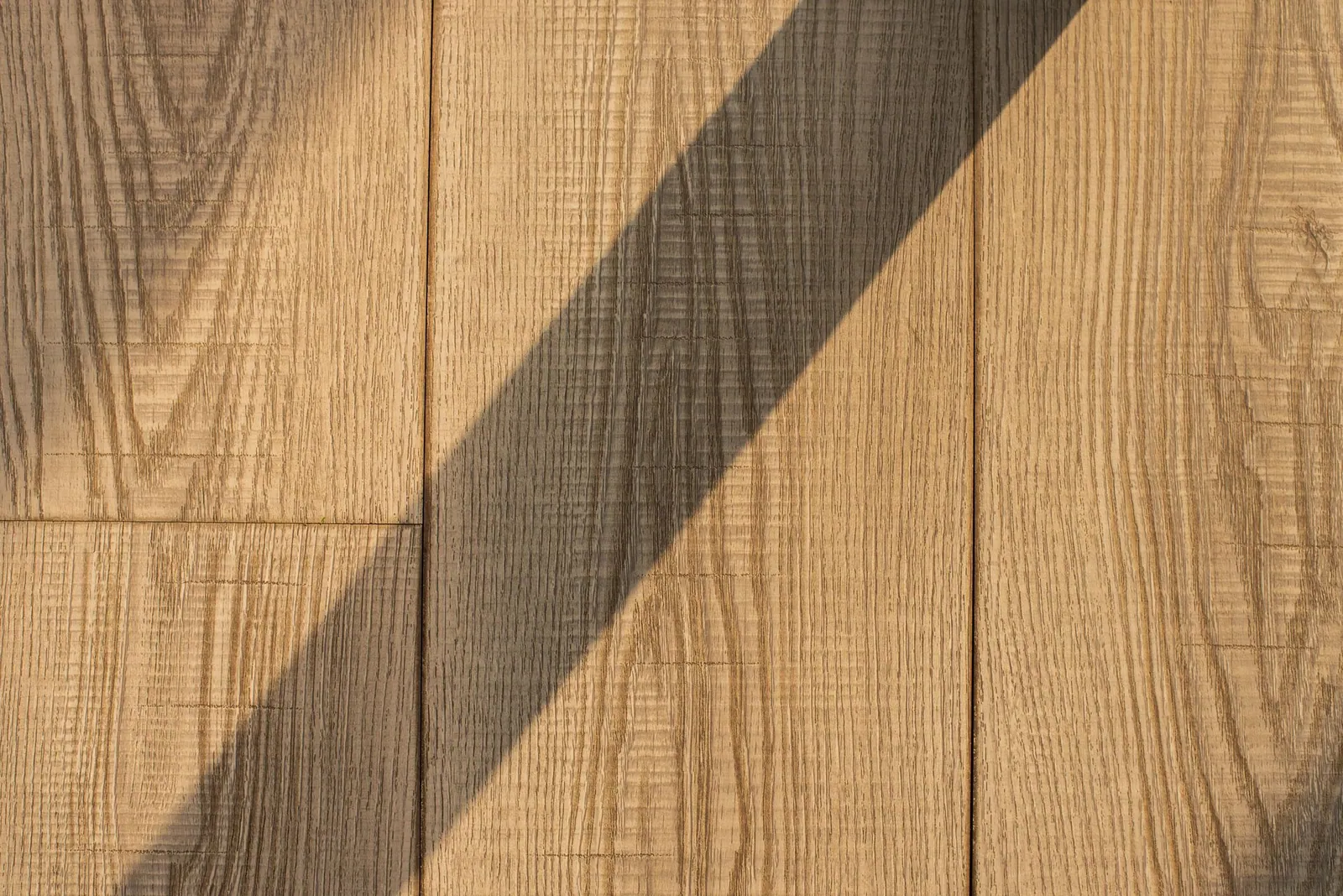
Hardwood flooring holds the top position among flooring for resale value because national buyer surveys and local agent experience consistently show real wood as one of the most requested features in main living areas. It signals quality and permanence in a way that is difficult for other materials to fully replicate.
If your home already has hardwood hidden under carpet or dulled by age, professional refinishing is often the single highest-return flooring project available before a sale, since it renews valuable existing material at a fraction of full replacement cost. New hardwood installation makes the most financial sense in main living areas and primary bedrooms, where buyers are most likely to notice and value it.
2. Luxury Vinyl Plank: Best ROI for Budget-Conscious Sellers
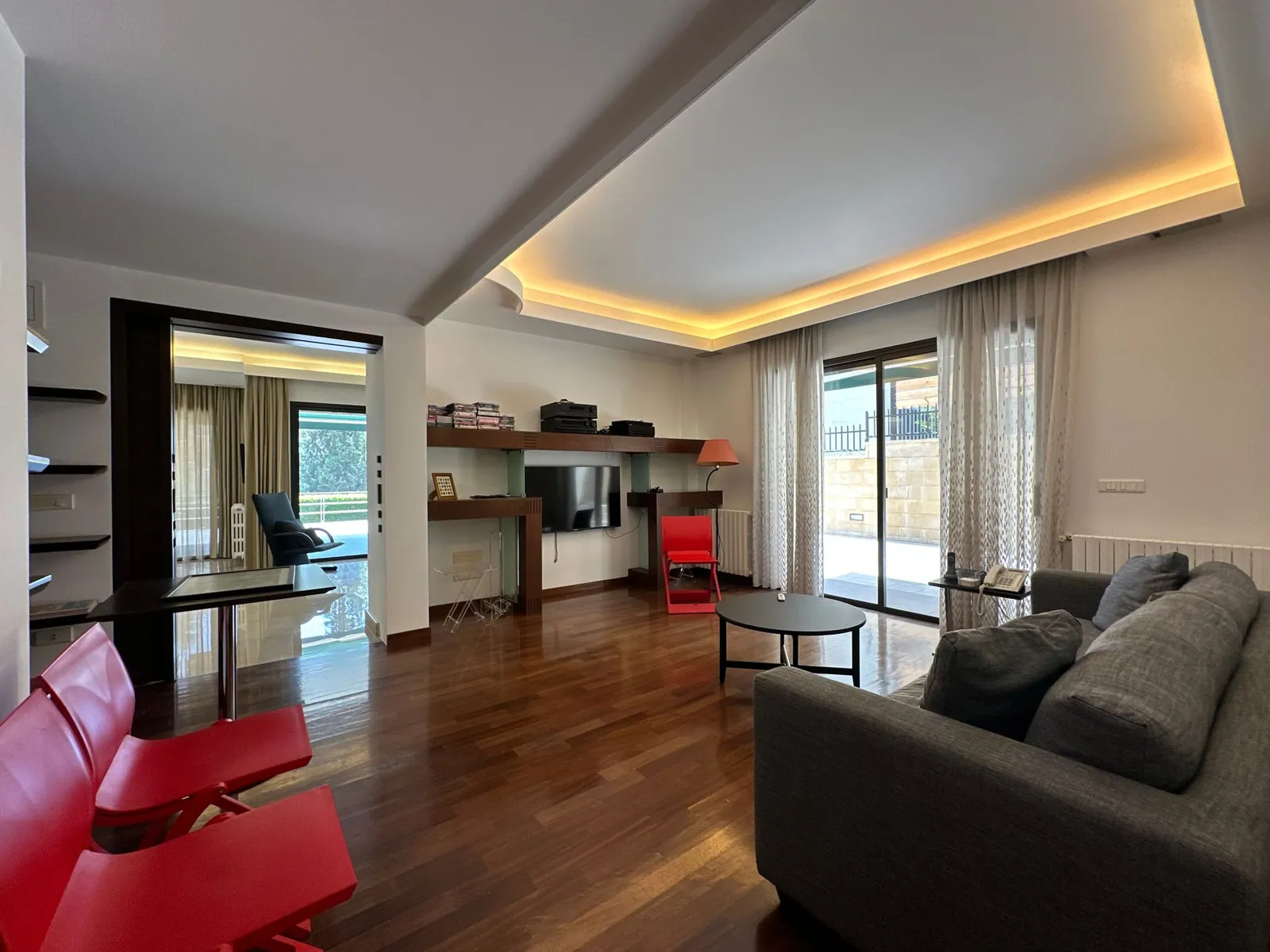
Luxury vinyl plank has become one of the most cost-effective forms of flooring for resale value because it delivers a convincing wood appearance at a meaningfully lower installed cost than solid hardwood, while standing up to weeks of showings, pets and staging traffic without visible wear.
For sellers replacing worn carpet or dated linoleum on a tight pre-listing budget, quality LVP frequently returns more of its cost at closing than almost any other flooring upgrade, simply because the before-and-after contrast is so dramatic relative to the investment required.
3. Porcelain Tile: Value in Kitchens and Bathrooms
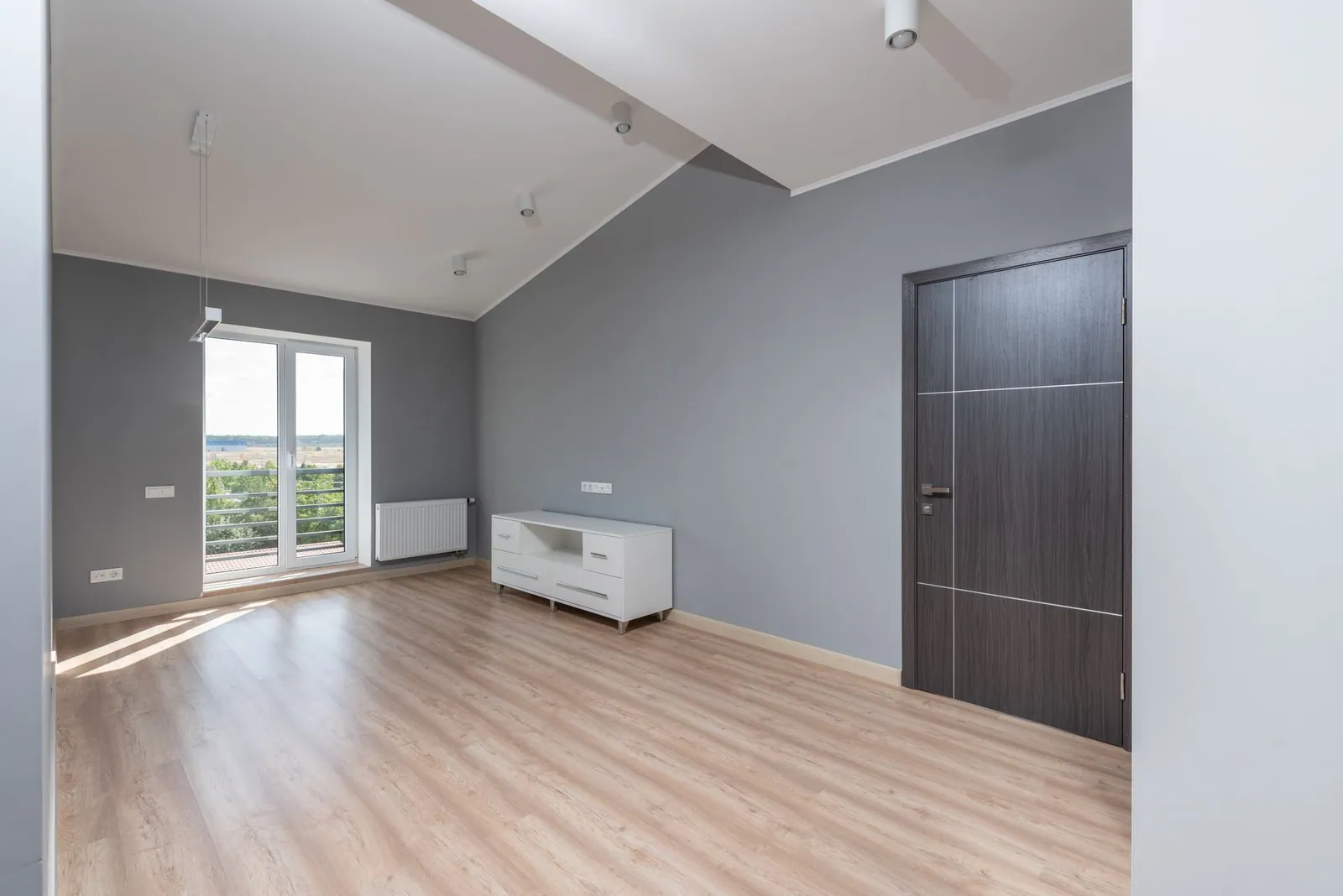
Porcelain tile remains a strong contributor to flooring for resale value specifically in kitchens and bathrooms, the two rooms buyers examine most critically during a showing. Dated or damaged tile in these spaces can disproportionately affect a buyer's overall impression compared with the same wear in a secondary bedroom.
A neutral, timeless tile pattern in a light-to-medium tone tends to perform best for resale, since bold patterns and highly saturated colors can polarize buyer opinion in ways a classic, versatile choice will not.
4. Laminate: Acceptable but Limited Resale Upside
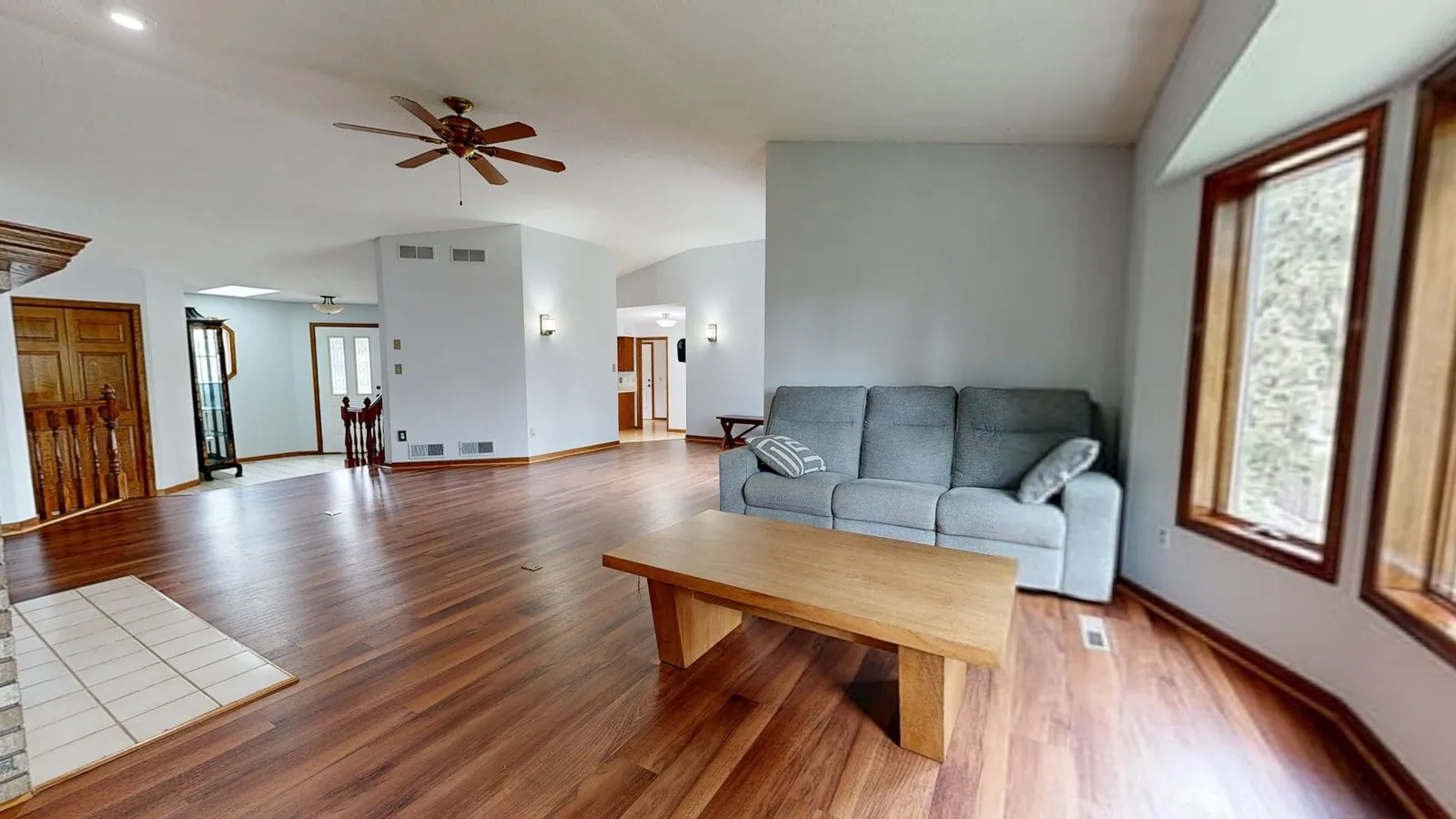
Laminate can still function as flooring for resale value in a pinch, particularly for a secondary bedroom or a rental unit being prepared for sale, since it costs less than most alternatives and delivers an immediate visual upgrade over worn carpet or dated vinyl sheet flooring.
Buyers and appraisers generally value laminate somewhat below LVP and considerably below hardwood, so it tends to work best as a targeted, budget-conscious fix rather than a primary strategy across main living areas of a higher-value listing.
5. Carpet: Where It Still Adds (and Subtracts) Value
Carpet is the material most likely to work against flooring for resale value when it appears worn, stained or dated in main living areas, and it is consistently one of the top items buyers and inspectors flag during a showing or walkthrough. Replacing tired carpet in living rooms and hallways is one of the more reliable pre-listing investments a seller can make.
That said, fresh, quality carpet still has a place in bedrooms, where many buyers actually prefer the softness and warmth over a hard surface. The key for flooring for resale value is confining carpet to rooms where buyers expect and welcome it, rather than relying on it across the whole home.
Padding condition matters just as much as the visible carpet fibers. A newer-looking carpet over a flattened, worn pad can still feel tired underfoot during a showing, and buyers notice that disconnect even when they cannot immediately explain why a room feels dated. Replacing both the carpet and the pad together, rather than laying new carpet over old padding, produces a more convincing result for the modest additional cost, and it is one of the more common shortcuts sellers regret skipping once a buyer's agent points it out during a walkthrough.
Choosing Flooring for Resale Value by Situation
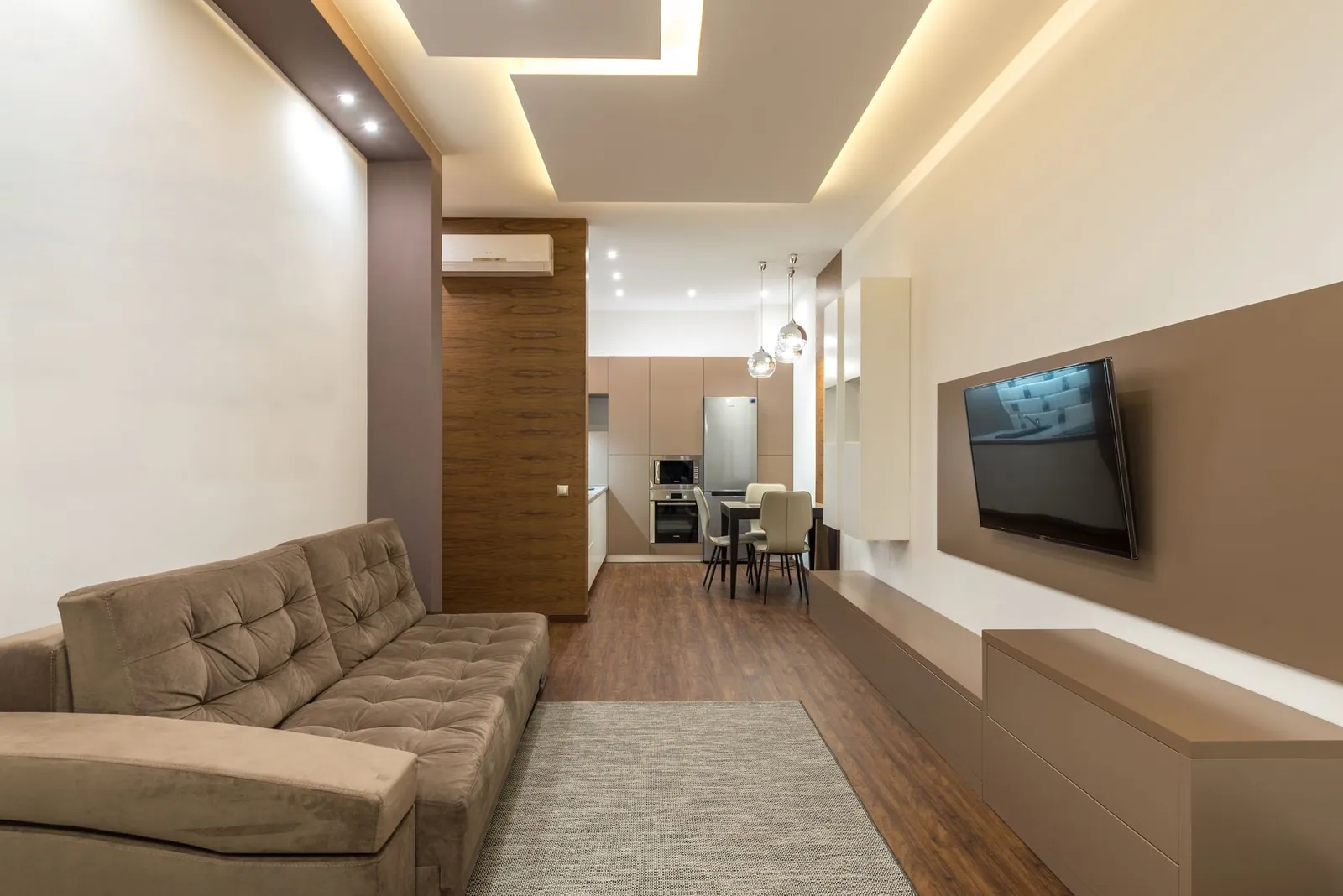
Flipping a home for quick sale
Investors typically prioritize LVP or refinished existing hardwood for speed, durability during multiple showings, and the strongest return relative to the renovation budget.
Long-term owners planning to sell in 5–10 years
Owners with a longer runway can invest in hardwood or tile now and simply enjoy the material, since the resale benefit will still be there when the time comes, alongside years of personal use in the meantime.
Rental or investment properties
Durability and low maintenance take priority over prestige. Quality LVP is usually the most practical flooring for resale value in a rental turned owner-occupied sale, since it tolerates tenant wear well and still shows cleanly for buyers.
Choosing Flooring for Resale Value Before Listing
With a firm listing date approaching, sellers should prioritize the rooms buyers weigh most heavily first: living areas, kitchens and bathrooms. A rushed, low-quality installation anywhere can undercut the very perception that flooring for resale value is meant to improve, so timeline pressure should never come at the cost of basic installation quality.
What Richmond's Market Expects
Richmond's housing stock ranges from century-old homes in The Fan, Museum District and Church Hill, where original hardwood is often a selling point in itself, to newer construction in Midlothian, Short Pump and Glen Allen, where buyers frequently expect a more contemporary wood-look floor throughout the main level. Flooring for resale value should generally match the expectations of the specific neighborhood and price point rather than a single one-size-fits-all recommendation.
Local comparable listings are one of the most useful tools for calibrating a flooring budget before a sale. A real estate agent or a flooring consultation can help identify what similarly priced homes nearby are offering, so improvements target the level buyers in that specific price range actually expect. Del Carlo Flooring serves sellers throughout Richmond, Henrico, Chesterfield, Midlothian, Glen Allen and surrounding Central Virginia communities.
Appraisers also weigh flooring differently depending on the neighborhood's established norms. In a historic district where original hardwood is common and expected, an appraiser and a buyer's agent alike may view vinyl or laminate as a downgrade rather than an improvement, even if it was an upgrade from the home's previous worn carpet. In newer subdivisions where wood-look LVP is the prevailing standard throughout comparable listings, installing solid hardwood may exceed what the local market is prepared to pay for, making it a personal indulgence rather than a pure resale strategy. Understanding which category your home falls into before spending on flooring for resale value prevents both underinvestment and overinvestment relative to the neighborhood.
Best Colors and Finishes for Buyer Appeal
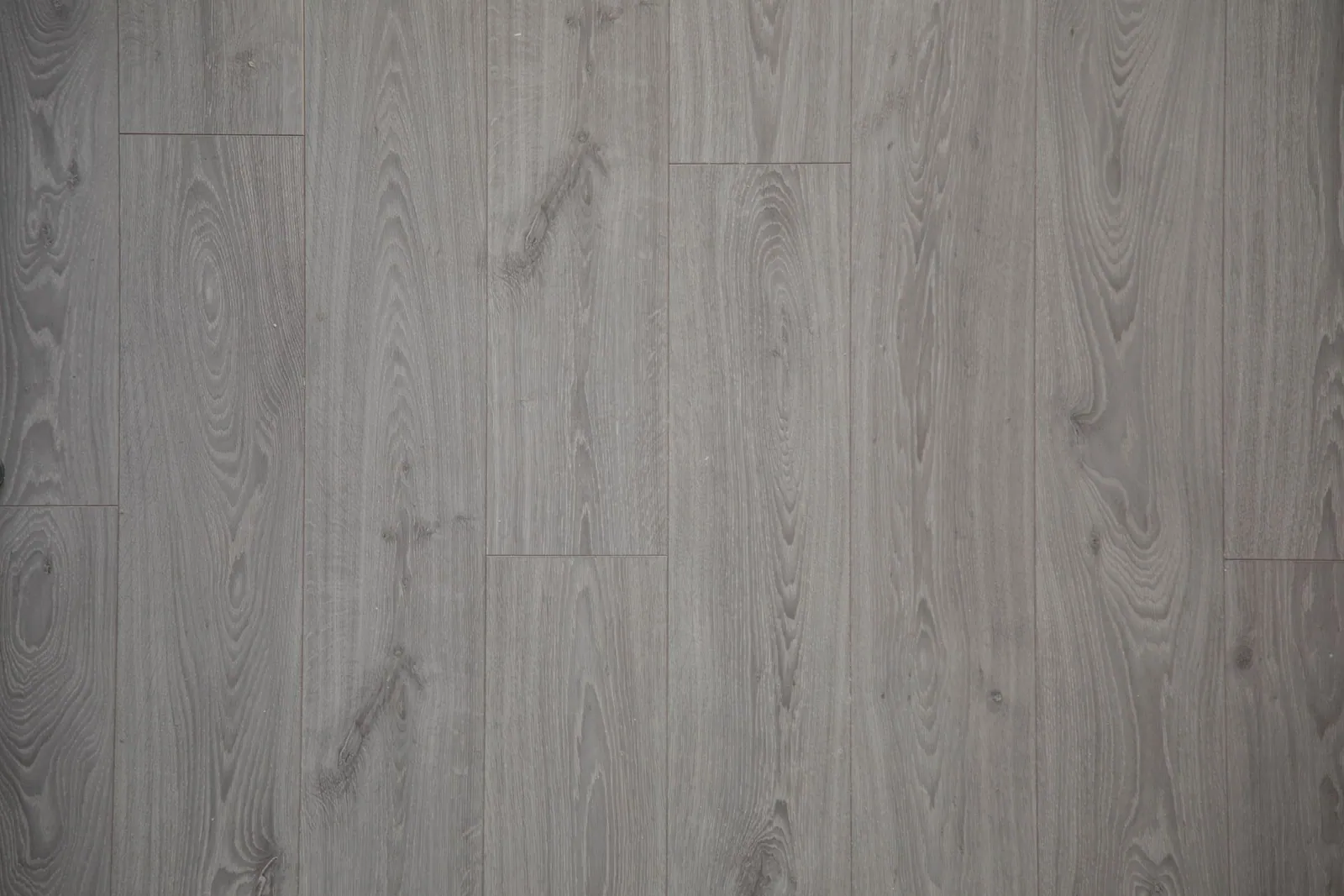
Light-to-medium natural wood tones with a matte or satin finish generally appeal to the widest range of buyers, since they read as neutral, timeless and move-in ready. Very dark, glossy or heavily distressed finishes can look striking in photos but tend to narrow the buyer pool, since taste in dramatic finishes varies far more than taste in classic, natural tones.
Consistency also matters more than any single trendy choice. A cohesive, natural-toned floor that flows from room to room tends to outperform a mix of bold, individually fashionable materials when it comes to flooring for resale value, because buyers can more easily picture their own furniture and life in a neutral, cohesive space.
7 Mistakes That Hurt Flooring for Resale Value
- Over-investing in a modest home. Premium hardwood in a starter-price listing rarely returns its full cost.
- Choosing a bold, personal color. Highly saturated or trend-driven tones can narrow your buyer pool.
- Mixing too many materials. Patchwork flooring across connected rooms can read as a maintenance red flag.
- Ignoring the subfloor. New flooring installed over an unresolved problem can fail an inspection.
- Leaving worn carpet in main living areas. This is one of the most common buyer objections during showings.
- Skipping a professional installation. Visible seams, gaps or squeaks undercut the very impression flooring for resale value is meant to create.
- Ignoring local comps. A flooring choice that ignores what similar nearby homes offer can under- or over-shoot buyer expectations.
How Del Carlo Helps Sellers Choose Flooring
Del Carlo Flooring helps Richmond sellers prioritize flooring for resale value with a practical, timeline-aware process:
- Free project conversation: We discuss your listing timeline, budget and the rooms buyers will scrutinize most.
- On-site evaluation: We inspect existing flooring, including hidden hardwood under carpet, to identify refinishing opportunities.
- Material comparison: We explain realistic tradeoffs among hardwood, LVP, tile and laminate for your specific price point.
- Clear written scope: The estimate identifies installation, removal, preparation and finishing details so your budget goes where it matters most.
- Efficient, professional installation: The crew works around your listing timeline without sacrificing quality.
- Final walkthrough: We review the finished work so it is ready for photography and showings.
Learn more about Del Carlo Flooring, explore our full range of remodeling services, or contact the team for a free, no-pressure estimate.
Frequently Asked Questions About Flooring for Resale Value
What is the best flooring for resale value?
Hardwood is generally the best flooring for resale value because of its broad, consistent buyer appeal. Quality LVP offers the strongest return relative to its lower installed cost.
Does replacing carpet with hardwood increase home value?
In most markets, replacing worn carpet with hardwood or a quality wood-look floor in main living areas tends to improve buyer perception and can support a stronger asking price.
Is LVP a good flooring choice before selling a house?
Yes. LVP is one of the most cost-effective forms of flooring for resale value because it looks like wood, resists wear during showings, and costs less than solid hardwood.
Should I match flooring throughout the whole house before selling?
Buyers generally respond well to a single, continuous flooring material across main living areas, since mismatched flooring can read as a deferred-maintenance signal.
What flooring color sells a house best?
Light-to-medium, natural wood tones with a matte or satin finish tend to appeal to the widest range of buyers, since they read as neutral and move-in ready.
Is it worth refinishing hardwood before selling?
When the existing hardwood is structurally sound, refinishing is usually one of the highest-return improvements available before a sale.
Does new flooring in the kitchen and bathroom matter more for resale?
Yes. Kitchens and bathrooms are typically the rooms buyers scrutinize most closely, so durable, updated flooring there tends to influence perception more than secondary bedrooms.
Can Del Carlo Flooring help me choose flooring for resale value in Richmond?
Yes. Del Carlo Flooring provides free, no-pressure estimates and helps Richmond-area homeowners choose flooring for resale value based on timeline, budget and local market expectations.
Get a Free Pre-Listing Flooring Estimate in Richmond, VA
The best flooring for resale value is not always the most expensive material in the showroom. It is the flooring that matches your home's price point, your local market's expectations, and your timeline before listing. For most Richmond sellers, hardwood or a professional refinish delivers the strongest broad appeal, quality LVP delivers the strongest return for the investment, and durable, neutral tile in kitchens and bathrooms rounds out the rooms buyers scrutinize most.
Del Carlo Flooring is a local, family-owned flooring and remodeling company serving Richmond and Central Virginia. Visit our About page, browse our flooring services, or request your free estimate today. We will help you choose flooring for resale value with a clear scope built around your listing timeline.
Every listing is different, and the right flooring for resale value in one Richmond neighborhood may not be the right answer two streets over. A short conversation before you commit to a material can save far more than it costs, especially when a hidden hardwood floor under old carpet turns out to be the easiest win in the entire pre-listing budget.