What Is the Best Flooring for Rental Properties?
Rigid-core luxury vinyl plank is generally the best flooring for rental properties because it resists tenant wear, tolerates spills and pet accidents, and cleans up quickly between tenants at a moderate installed cost. Laminate offers a lower-cost alternative for reliably dry units, tile remains valuable in kitchens and bathrooms, and carpet still has a place confined to bedrooms. The right flooring for rental properties balances upfront cost against how much wear and how many turnovers the material needs to survive.
Landlords and property investors face a different flooring calculation than a homeowner furnishing a forever home. Flooring for rental properties has to survive tenant turnover after tenant turnover, tolerate a wider range of care habits than an owner-occupied home, and still look presentable enough to support a strong asking rent and a fast lease-up.
The math is straightforward once you frame it correctly: the cheapest material per square foot is not necessarily the cheapest flooring over five or ten years of turnovers, repairs and vacancy days spent refinishing a unit between leases. This guide compares the flooring for rental properties that Del Carlo Flooring installs for landlords and property managers across Richmond and Central Virginia, including rigid-core LVP, laminate, tile, carpet and sheet vinyl.
Rental Flooring Comparison at a Glance
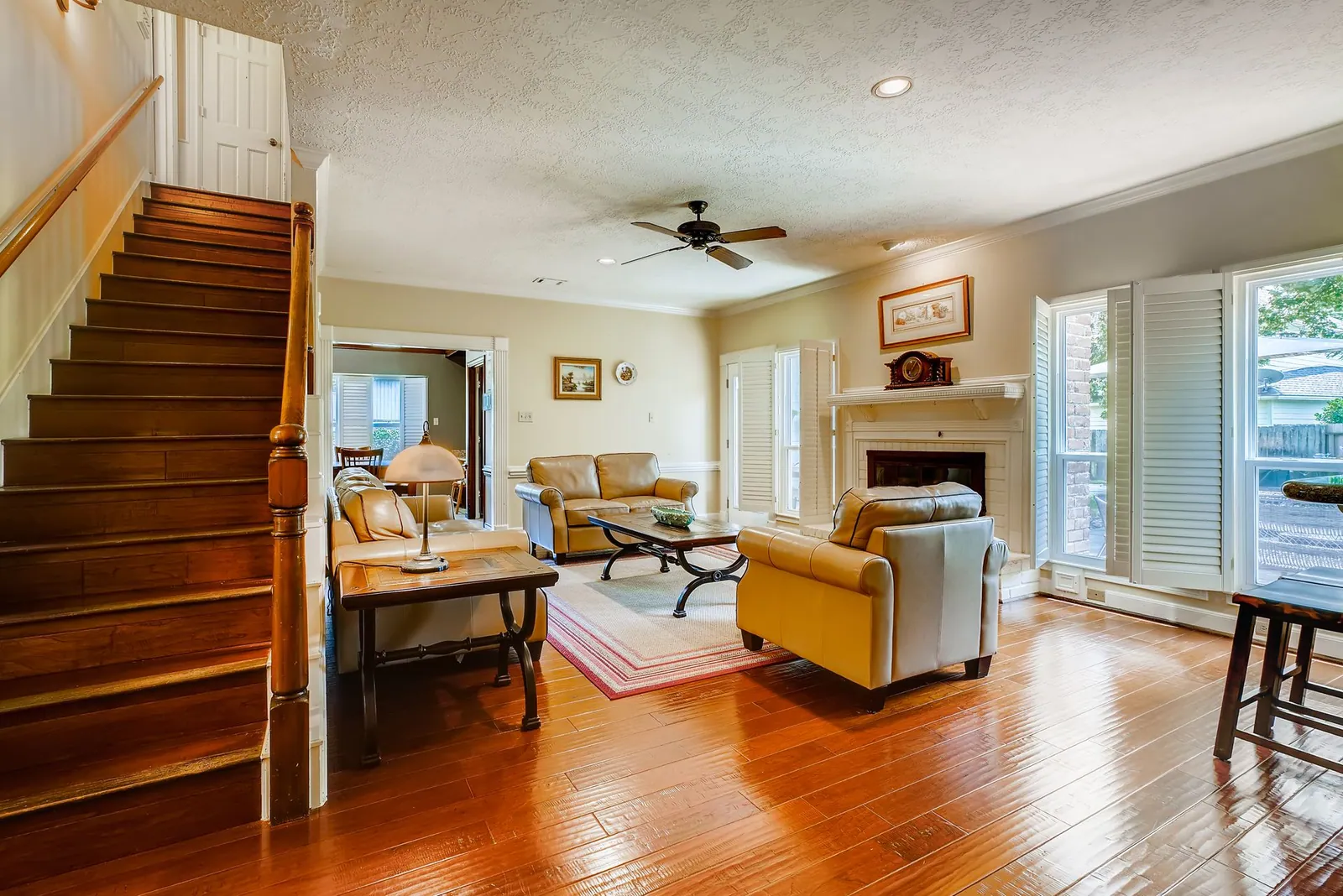
No single material is right for every unit type or price point. LVP balances durability and cost better than almost anything else for common areas, while carpet still makes sense in bedrooms where tenants expect it. The scorecard below narrows the field before we look at each option's rental-specific tradeoffs.
| Flooring | Turnover durability | Cost per unit | Repairability | Tenant damage resistance | Best use |
|---|---|---|---|---|---|
| Rigid-core LVP | Excellent | Moderate | Very good | Excellent | Best overall |
| Laminate | Good | Lower | Good | Good | Dry, budget units |
| Porcelain tile | Excellent | Higher | Fair | Excellent | Kitchens, baths |
| Carpet | Fair | Lower | Fair | Fair | Bedrooms only |
| Sheet vinyl | Good | Lowest | Fair | Good | Lowest-cost units |
These patterns hold across most price points, but the exact numbers shift with local labor costs, unit size and how frequently a specific property turns over. A unit with annual turnover justifies a more durable, slightly higher upfront investment far more than a unit with a long-tenured, stable tenant.
The 7 Things That Matter Most in Flooring for Rental Properties
1. Turnover durability
Every move-in and move-out puts stress on flooring through moving furniture, dropped boxes and cleaning chemicals. Flooring for rental properties needs to survive this cycle repeatedly, not just look good on day one.
2. Cost per unit at scale
A small per-square-foot savings multiplies quickly across a multi-unit property or portfolio. Landlords should evaluate total installed cost per unit, not just the material price on a sample board.
3. Ease of spot repair
A single damaged plank or tile that can be replaced without redoing the whole room saves significant turnover time and cost. Flooring systems that allow easy, invisible spot repairs are worth a premium over systems that do not.
4. Resistance to tenant-specific damage
Pet claws, dropped furniture, rolling luggage and inconsistent cleaning habits all stress a rental floor more than an owner-occupied one typically experiences. Scratch and stain resistance matter more here than in almost any other flooring decision.
5. Cleaning and turnaround speed
Faster cleaning and drying between tenants reduces vacancy days. A floor that can be professionally cleaned and ready to show within a single day supports a tighter turnover schedule than one requiring extended dry time.
6. Consistent appearance across units
Standardizing flooring for rental properties across multiple units simplifies spare-parts inventory, speeds up repairs and gives every listing photo a consistent, professional look.
7. Compliance and safety
Slip resistance, secure transitions and code-compliant installation protect both tenants and landlords from injury claims. Cutting corners on installation quality can create liability that far outweighs any material savings.
1. Rigid-Core LVP: Best Overall Flooring for Rental Properties
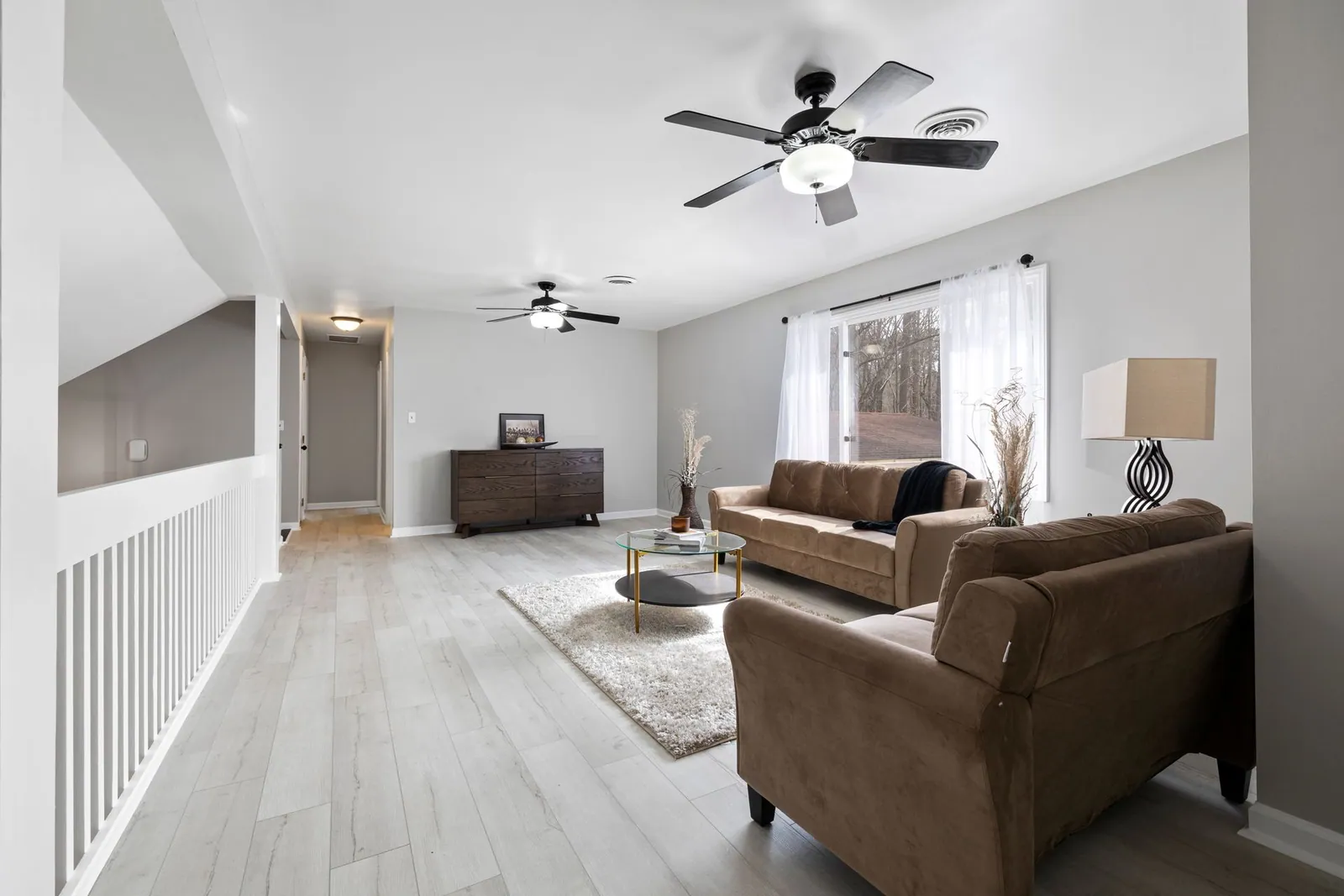
Quality luxury vinyl plank flooring with a rigid WPC or SPC core earns the top spot among flooring for rental properties because it combines strong scratch and water resistance with individually replaceable planks and a moderate installed cost that scales sensibly across multiple units.
Landlords should compare the wear-layer thickness and locking system across products the same way a homeowner would, since a bargain product with a thin wear layer can show visible traffic patterns within a single lease term. A textured, matte finish also disguises everyday scuffs and pet scratches better than a glossy surface across repeated tenancies.
Keeping a labeled box of spare planks from the original installation batch pays for itself the first time a tenant damages a section of floor, since matching material becomes harder to find once a product line is discontinued. A local flooring company familiar with multi-unit projects can also help standardize a single product across a whole property.
2. Laminate: Budget-Friendly Flooring for Dry Units
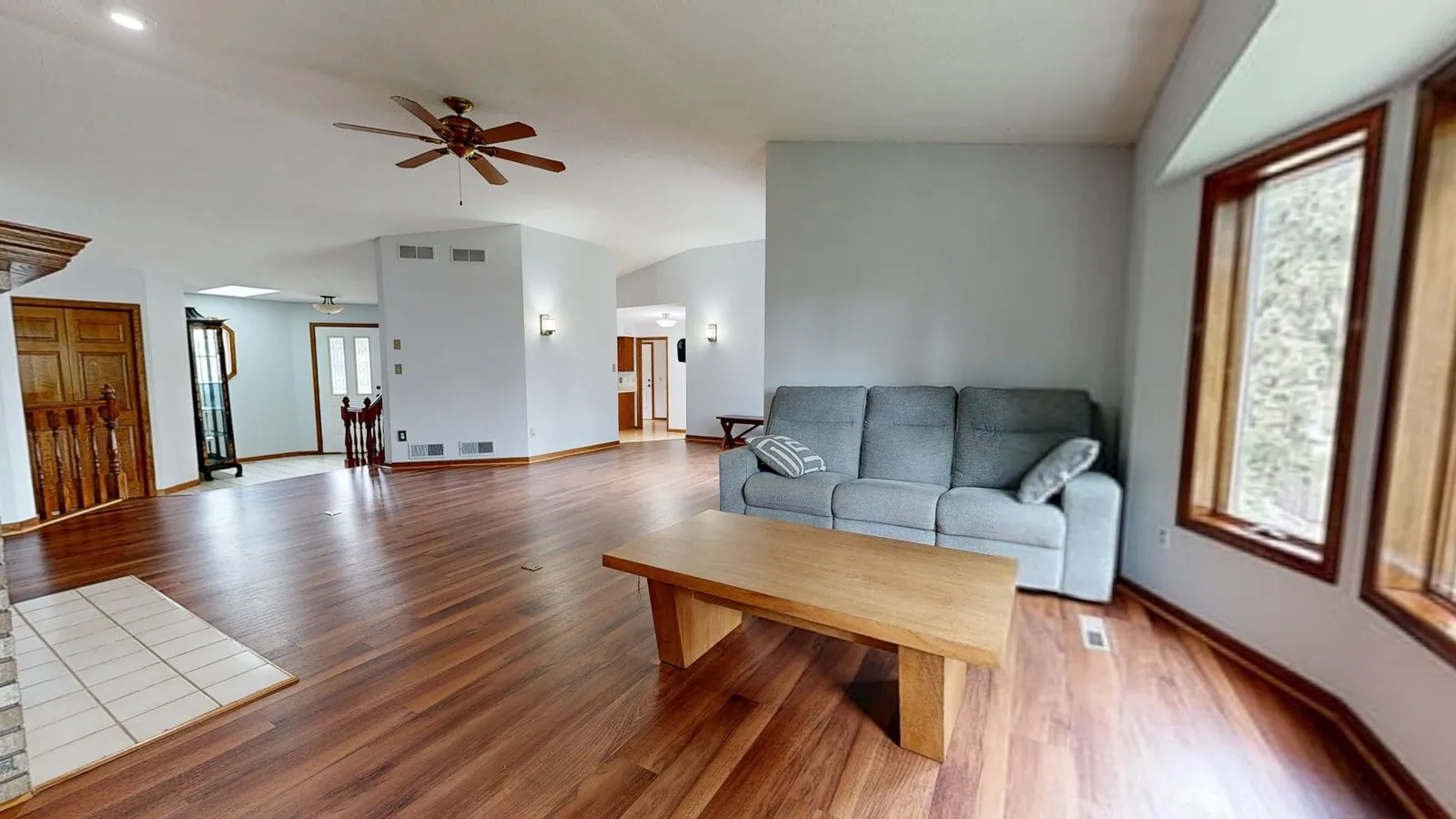
Laminate remains a reasonable form of flooring for rental properties when the budget is tight and the units in question have a low risk of standing water, such as upper-floor units without direct plumbing runs beneath the flooring. Its hard wear layer resists everyday scratches from foot traffic and furniture reasonably well.
Laminate's wood-fiber core is more vulnerable to prolonged moisture than LVP, which makes it a weaker fit for ground-floor units, basements or any property with a history of tenant-caused water damage. Landlords should weigh the modest cost savings against this reduced margin for tenant error before standardizing on laminate across an entire portfolio.
3. Porcelain Tile: Durability in Kitchens and Bathrooms
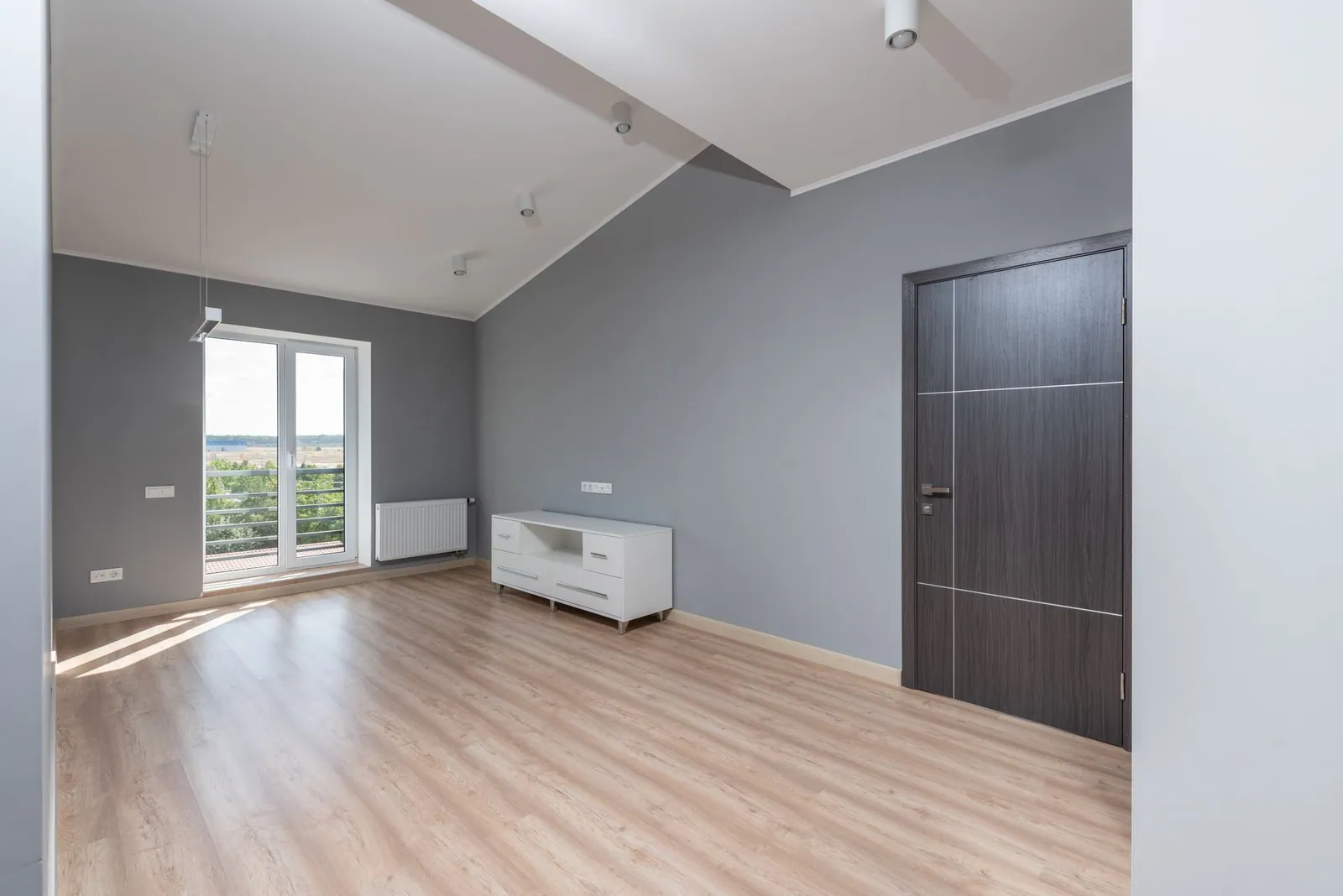
Porcelain tile remains one of the most durable forms of flooring for rental properties specifically in kitchens and bathrooms, the two areas most likely to see repeated water exposure and heavy use across many tenancies.
Tile's higher installed cost is usually justified in these specific rooms because of how infrequently it needs replacement compared with more moisture-sensitive materials. A neutral, classic tile pattern also photographs well for listings and appeals to the widest range of prospective tenants.
4. Carpet: Where It Still Belongs in a Rental
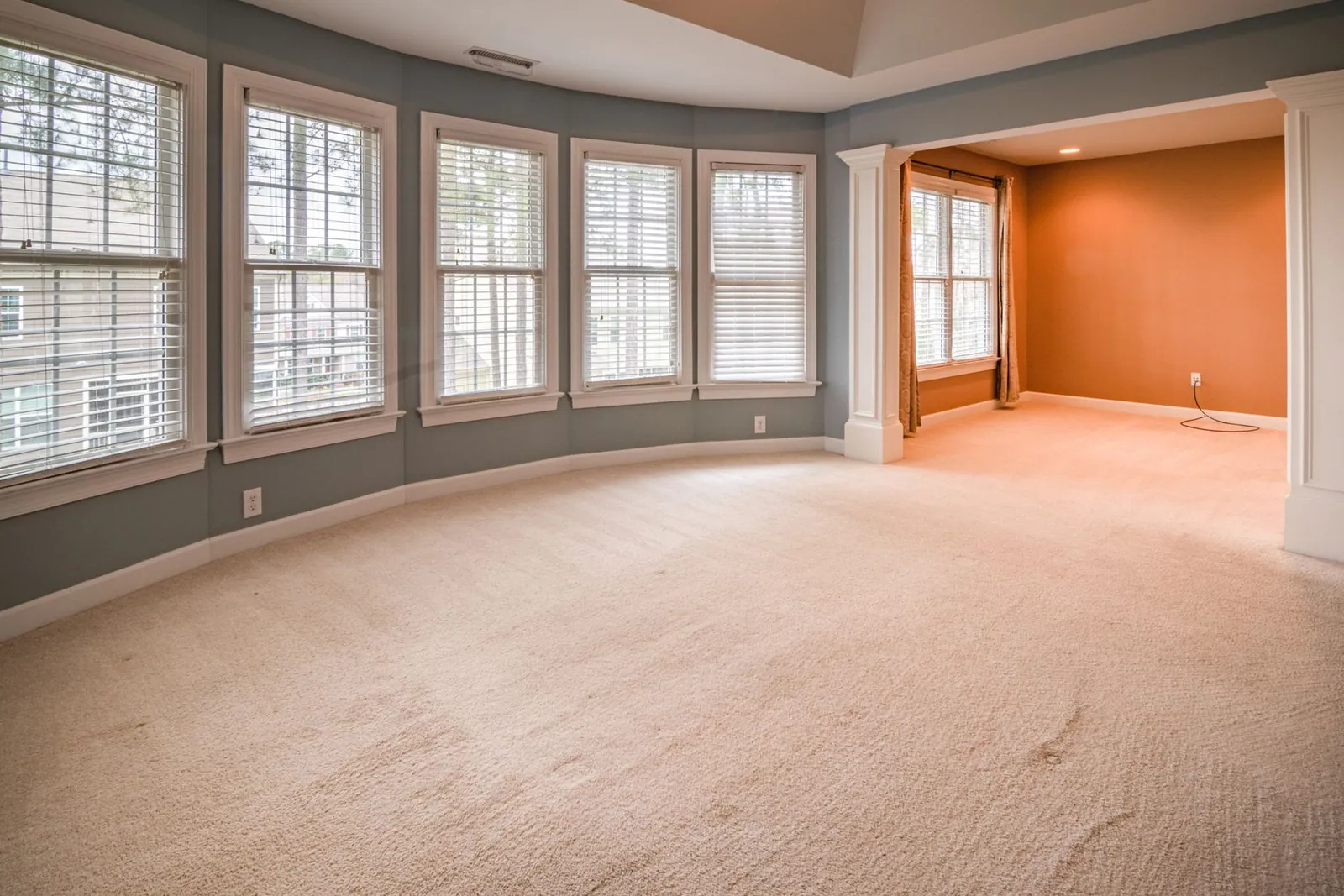
Carpet is the material most likely to disappoint as flooring for rental properties in common living areas, since it shows stains, wear paths and odor faster than hard surfaces and typically needs replacement more often between tenants. That said, many tenants still expect and prefer carpet in bedrooms for its warmth and sound absorption.
When carpet is used, choose a dense, low-pile, stain-resistant commercial-grade product rather than a plush residential carpet, since commercial-grade carpet tile and broadloom are specifically engineered to withstand repeated tenant turnover better than styles marketed to owner-occupied homes.
5. Sheet Vinyl: Lowest-Cost Option for Budget Units
Sheet vinyl remains the least expensive genuinely water-resistant flooring for rental properties, making it a practical choice for the lowest-price-point units in a portfolio, particularly kitchens and bathrooms in older or smaller apartments. Its seamless installation resists moisture well across the entire floor.
The tradeoff is a less premium appearance and feel compared with rigid vinyl plank, which can matter for listings competing in a more design-conscious segment of the Richmond rental market. Landlords should weigh the modest cost savings against how it affects a unit's competitive positioning.
Sheet vinyl also installs faster than tile in a turnover window, which can matter when a unit needs to be ready for showing within days rather than weeks. For a portfolio with many smaller, lower-rent units, the labor savings from a faster sheet vinyl installation can be just as meaningful as the material cost savings, particularly when a maintenance team is handling turnovers in-house rather than through an outside contractor.
Choosing Flooring for Rental Properties by Type
Single-family rentals
Single-family homes often see longer tenancies than apartments, which can justify a slightly higher investment in durable LVP or tile throughout common areas, since the cost is amortized over more years of steady rent.
Multifamily and apartment turnovers
Frequent, predictable turnovers make standardized, easily repairable flooring especially valuable. A consistent LVP product across every unit in a building dramatically simplifies maintenance staff training and spare-parts inventory.
Short-term and vacation rentals
Constant guest turnover and rolling luggage make scratch resistance and easy daily cleaning top priorities. Durable, easy-clean LVP or tile generally outperforms carpet in this high-frequency-use setting.
Choosing Flooring for Rental Properties Between Tenant Turnovers
The turnover window between leases is usually short, so flooring for rental properties should be chosen with realistic repair and cleaning timelines in mind. Products that can be spot-repaired or deep-cleaned within a day keep the unit moving toward its next lease instead of sitting vacant during an extended flooring project.
Richmond's Rental Market and Local Considerations
Richmond's rental market spans everything from historic rowhouse conversions in Church Hill and The Fan to newer garden-style apartment communities in Chesterfield and Henrico, and tenant expectations shift accordingly. A historic rowhouse rental may still have original hardwood worth protecting and refinishing rather than covering, while a newer apartment community typically expects a consistent, contemporary wood-look LVP throughout.
Basement and English basement units, common in some Richmond neighborhoods, need the same slab moisture evaluation as any other below-grade flooring project before installing flooring for rental properties in those spaces. Del Carlo Flooring works with landlords and property managers throughout Richmond, Henrico, Chesterfield, Midlothian, Glen Allen and surrounding Central Virginia communities.
Local rental licensing and habitability standards can also touch on flooring condition during routine inspections, particularly around exposed subfloor, tripping hazards and water damage. Keeping flooring for rental properties in good repair is as much a compliance matter as it is a cosmetic one.
Seasonal humidity swings affect rental units the same way they affect owner-occupied homes, but landlords often have less direct control over how consistently a tenant runs HVAC or a dehumidifier. Choosing flooring for rental properties that tolerates a wider range of indoor humidity, rather than a product with narrow acclimation requirements, reduces the risk of gaps, cupping or buckling caused by a tenant who keeps the thermostat set unusually high or low compared with how the previous occupant lived in the space.
Best Colors and Finishes for Rental Units
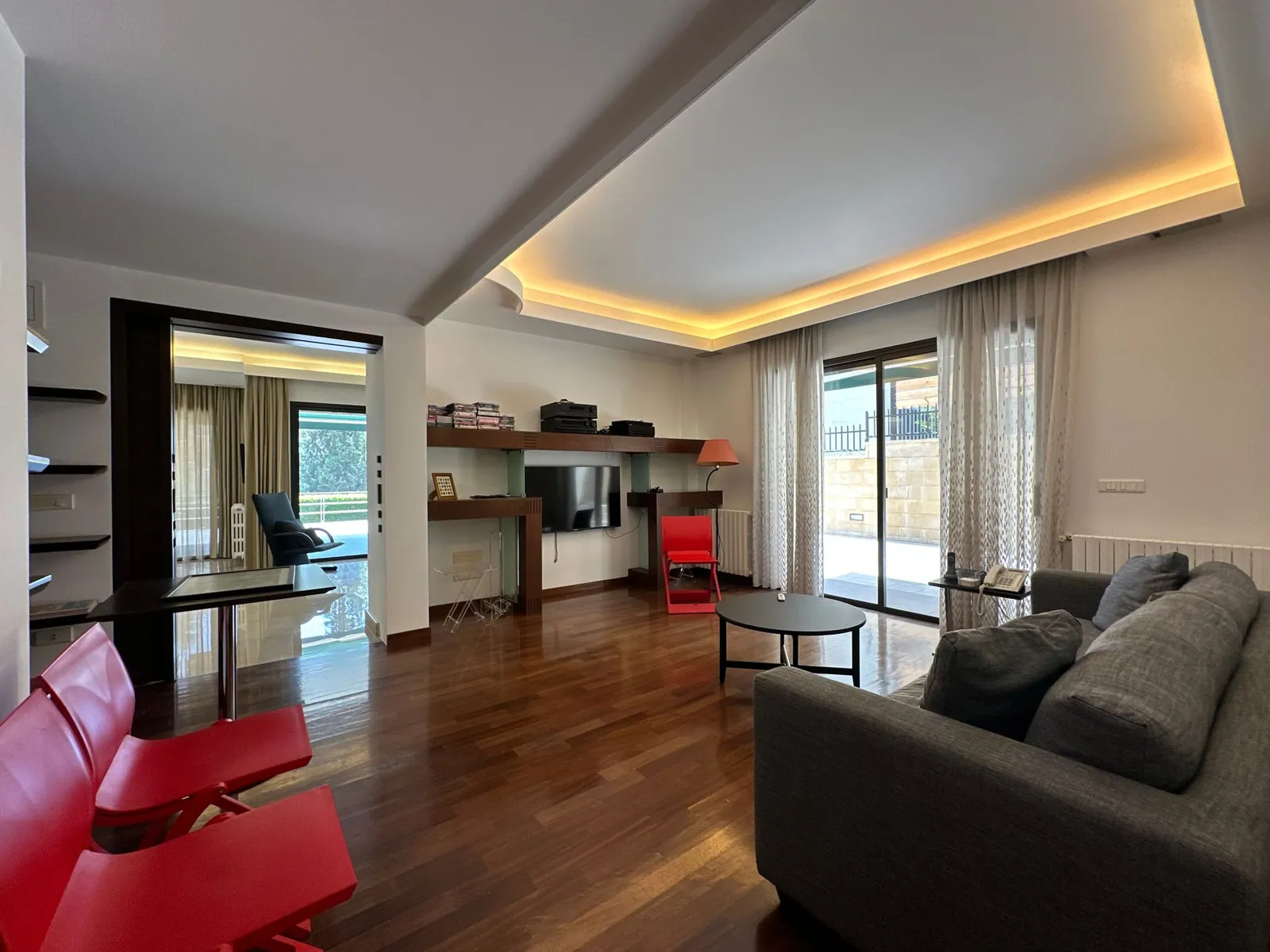
Light-to-medium, neutral wood tones with a matte finish generally perform best as flooring for rental properties, since they appeal to the broadest range of prospective tenants and photograph well for online listings. Dark, dramatic finishes can look striking in photos but tend to show dust and pet hair more visibly between cleanings.
Standardizing on a single neutral tone across a whole property or portfolio also makes touch-up repairs and partial replacements far less noticeable, since matching material is guaranteed to be available and visually consistent.
Budgeting Flooring Across Multiple Units
Evaluating flooring for rental properties one unit at a time misses the bigger financial picture that most landlords and investors actually operate under. A slightly higher per-square-foot material cost can be the cheaper option across a five-year ownership horizon once reduced repair frequency, faster turnovers and fewer vacancy days are factored in, yet many purchasing decisions are still made purely on the lowest quoted price for a single unit.
A useful exercise is calculating cost per unit per year of expected service life rather than cost per square foot at installation. A product that costs twenty percent more but lasts twice as long between full replacements is usually the better investment, even before accounting for the reduced turnover labor and vacancy time that a more durable floor makes possible. Property managers overseeing several buildings often find that standardizing on one or two flooring products, purchased at volume pricing, produces a lower blended cost per unit than sourcing different materials project by project.
Financing and depreciation schedules also factor into the decision for many investors. Flooring is typically treated differently than the structure itself for depreciation purposes, and a qualified accountant can advise on how a given flooring investment affects the specific tax position of a rental property. This guide focuses on the physical performance side of flooring for rental properties, but the financial planning conversation is worth having alongside the material selection itself.
7 Mistakes Landlords Make When Choosing Flooring for Rental Properties
- Buying the cheapest material available. Thin wear layers often fail within a single lease term, costing more in repairs than a mid-tier product would have.
- Installing carpet throughout common areas. It shows wear and stains faster than hard surfaces in high-traffic zones.
- Mixing too many different products across units. This complicates repairs and spare-parts inventory.
- Skipping professional installation to save money. Poor installation leads to more frequent, more expensive repairs down the line.
- Ignoring below-grade approval for basement units. Not every product is rated for the moisture conditions found there.
- Forgetting to keep spare material. Discontinued colors make future spot repairs far more visible.
- Underestimating pet-related wear. Pet-friendly units need a more scratch- and stain-resistant product than a no-pets unit.
How Del Carlo Helps Landlords Choose Flooring
Del Carlo Flooring helps Richmond-area landlords and property managers select flooring for rental properties with a practical, portfolio-aware process:
- Free project conversation: We discuss your portfolio, turnover rate, budget and maintenance resources.
- On-site evaluation: We inspect existing flooring and subfloor conditions across the units in question.
- Material comparison: We explain realistic tradeoffs among LVP, laminate, tile and carpet for your specific rental strategy.
- Clear written scope: The estimate identifies installation, removal, preparation and finishing details, and can be structured consistently across multiple units.
- Efficient turnover-friendly installation: The crew works around your leasing timeline to minimize vacancy days.
- Final walkthrough: We review the finished work so the unit is ready for photos and showings.
Learn more about Del Carlo Flooring, explore our full range of remodeling services, or contact the team for a free, no-pressure estimate.
Frequently Asked Questions About Flooring for Rental Properties
What is the best flooring for rental properties?
Rigid-core LVP is generally the best flooring for rental properties because it resists tenant wear, tolerates spills and pet accidents, and cleans up quickly between tenants at a moderate cost.
Is carpet a good choice for rental properties?
Carpet works best confined to bedrooms. It shows stains and wear faster than hard flooring in common areas and typically needs replacement more often between tenants.
How often should a landlord replace flooring?
There is no fixed schedule, but many landlords budget for spot repairs at every turnover and a fuller replacement every several years, depending on turnover rate and pet policies.
Is laminate good for rental properties?
Laminate can work well in dry units with reliable tenants, since it costs less than LVP while resisting everyday scratches. It is less forgiving of spills than waterproof LVP.
Should landlords use the same flooring in every unit?
Standardizing on one or two flooring products across a portfolio simplifies spot repairs, reduces spare-material inventory and speeds up turnover work.
What flooring holds up best to pets in a rental?
Textured, waterproof rigid-core LVP holds up best to pet claws and accidents, combining scratch resistance with easy cleanup.
Does new flooring increase rent potential?
Updated, durable flooring can support a stronger asking rent and faster leasing, since prospective tenants often view worn flooring as a sign of a poorly maintained unit.
Can Del Carlo Flooring help landlords choose flooring for rental properties in Richmond?
Yes. Del Carlo Flooring works with Richmond-area landlords and property managers to select durable, cost-effective flooring for rental properties across multiple units.
Get a Free Estimate for Flooring for Rental Properties in Richmond, VA
The best flooring for rental properties is not the cheapest material per square foot; it is the material that survives the most tenant turnovers with the fewest repair calls and the lowest total cost over years of ownership. For most Richmond rental properties, rigid-core LVP delivers the strongest overall balance of durability, cost and easy maintenance, while tile continues to earn its place in kitchens and bathrooms.
Del Carlo Flooring is a local, family-owned flooring and remodeling company serving Richmond and Central Virginia. Visit our About page, browse our flooring services, or request your free estimate today. We will help you choose flooring for rental properties with a clear scope built around your portfolio and turnover schedule.
Whether you own a single rental home or manage a growing portfolio across Central Virginia, the fundamentals stay the same: prioritize durability and easy repair over the lowest sticker price, standardize where it makes sense, and treat flooring as part of the ongoing cost of ownership rather than a one-time expense.