What Is the Best Flooring for Kitchens?
For most Richmond homes, quality luxury vinyl plank (LVP) is the best flooring for kitchens because it resists water, hides everyday spills, feels comfortable to stand on and cleans up in minutes. Porcelain tile is the most durable choice for households that value surface toughness over softness underfoot, while a harder engineered hardwood suits homeowners who want a continuous wood look flowing from an adjacent dining or living space. The right flooring for kitchens depends on how you cook, how often accidents happen, your budget and how the room connects to the rest of the house.
The kitchen is the hardest-working room in most houses, and it is rarely forgiving of the wrong flooring decision. Grease splatters near the stove, water pools at the sink and dishwasher, dropped cans dent softer materials, and family traffic never really stops. Choosing flooring for kitchens is different from choosing flooring for a bedroom or a formal living room, because the failure modes are so specific: standing water, hot cookware, sharp knife tips, rolling carts and hours spent standing at a counter.
Richmond adds its own variable to the equation. Humid summers, older homes with settled subfloors, and open-concept renovations that connect kitchens to living areas all change what "the best flooring for kitchens" actually means for a specific house. This guide compares the materials that Del Carlo Flooring installs across Richmond and Central Virginia, including luxury vinyl plank, porcelain tile, engineered hardwood, water-resistant laminate and specialty options like sheet vinyl and cork.
Kitchen Flooring Comparison at a Glance
No single material wins every category. Tile resists heat and scratches better than anything else, but its hard surface is unforgiving for standing cooks and dropped dishes. Hardwood brings warmth and resale appeal but demands faster cleanup around the sink. The scorecard below narrows the field before we look at each option for kitchens in detail.
| Flooring | Water resistance | Heat/stain resistance | Comfort underfoot | Cleaning | Best use |
|---|---|---|---|---|---|
| Textured LVP/SPC | Excellent | Very good | Good | Excellent | Best overall |
| Porcelain tile | Excellent | Excellent | Fair | Excellent | Maximum durability |
| Engineered hardwood | Fair | Fair–good | Good | Good | Natural wood look |
| Water-resistant laminate | Good, not unlimited | Very good | Good | Very good | Budget wood look |
| Sheet vinyl / cork | Very good | Fair | Very good | Good | Comfort-first budgets |
Scores assume a quality product and professional installation. A bargain sheet vinyl with a thin wear layer can perform worse than a premium laminate. A glossy porcelain tile can be more slippery near the sink than a textured LVP. Specifications, finish, seams and installation details determine real-world performance as much as the material name on the box.
The 7 Things to Look for in Flooring for Kitchens
1. Water and spill resistance
Kitchens generate more standing-water risk than almost any other room: dishwasher leaks, ice-maker lines, overflowing sinks and simple spills during cooking. Flooring for kitchens should tolerate topical water long enough for a normal cleanup window, and the seams, transitions and perimeter details matter as much as the surface itself.
2. Heat and stain resistance
Dropped pans, hot grease and acidic spills from tomatoes, wine or citrus test a floor's surface chemistry. Tile shrugs off heat and staining better than any resilient or wood product, while a quality factory finish on LVP or hardwood resists most everyday stains if cleaned promptly.
3. Comfort underfoot
Cooking often means standing in one spot for long stretches. A slightly resilient surface with attached pad reduces fatigue compared with unforgiving tile or concrete. Comfort is one of the most underrated factors in choosing flooring for kitchens, especially for households that cook daily.
4. Slip resistance
Wet feet, spilled oil and quick movement between the stove, sink and refrigerator make traction essential. Textured, low-sheen finishes perform far better than polished stone or high-gloss laminate, particularly near the sink and dishwasher.
5. Realistic cleaning routine
Grease film builds up gradually and settles into deep embossing, wide grout lines and rough textures. A moderately textured, low-maintenance surface is usually the better real-world choice than a dramatic deep-grain finish that looks great in a showroom but traps grime at home.
6. Durability under daily abuse
Rolling carts, dropped cast iron, pet bowls and constant foot traffic add up. Compare wear-layer thickness for resilient products, hardness and finish quality for wood, and glaze rating for tile rather than trusting a generic "kitchen-rated" label.
7. Style continuity with cabinets and counters
Kitchen flooring is rarely chosen in isolation. It needs to coordinate with cabinet tone, countertop material and adjoining rooms, especially in open-concept layouts where the kitchen floor is visible from the living and dining areas at all times.
1. Luxury Vinyl Plank: Best Overall Flooring for Kitchens
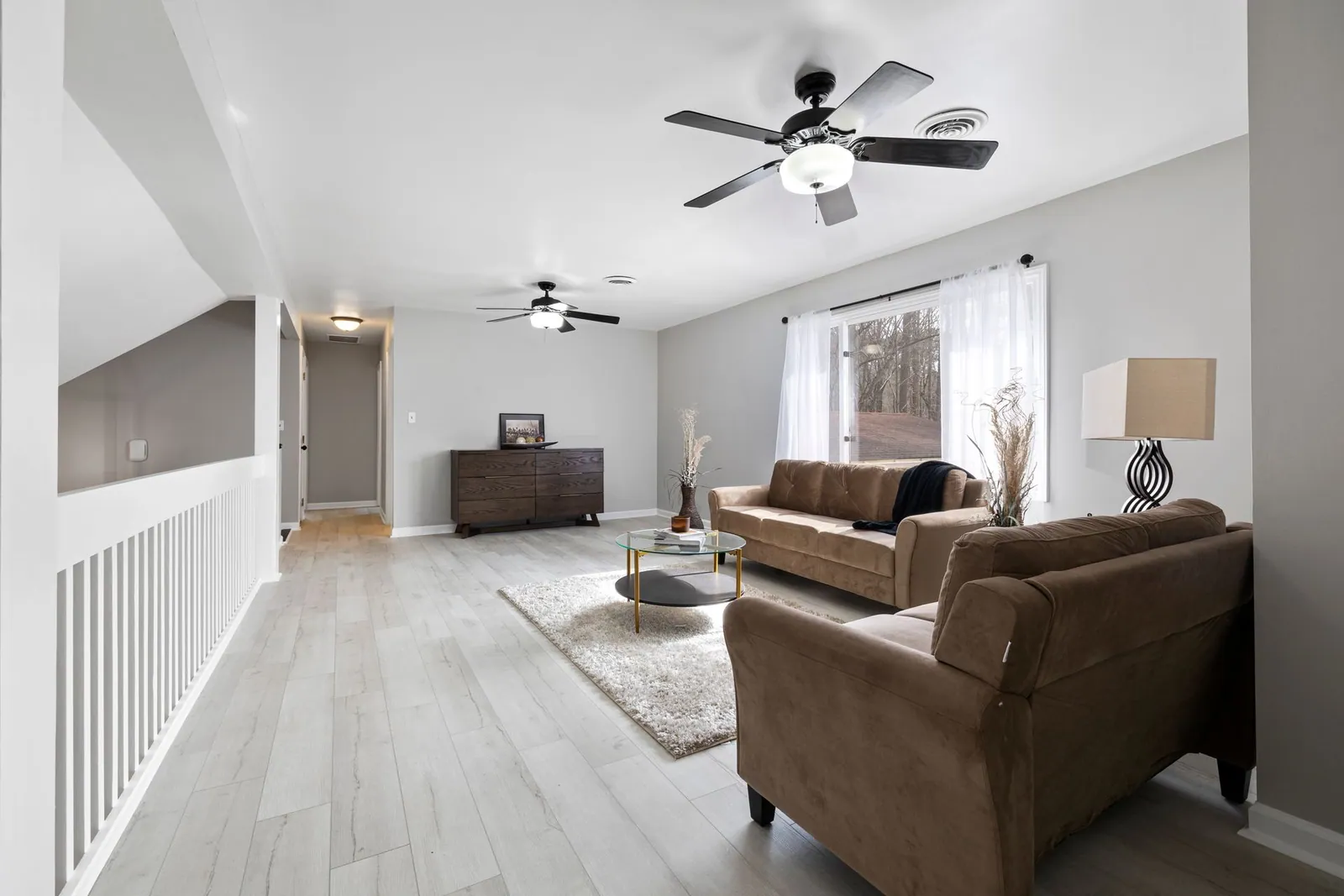
Quality luxury vinyl plank flooring earns the best-overall position for kitchens because it addresses the broadest set of concerns at once. A well-made SPC or rigid-core plank resists water at the material level, tolerates dropped cookware, wipes clean in seconds and offers wood or stone visuals without the sensitivity that real wood has to standing moisture near the sink.
Do not buy flooring for kitchens by appearance alone. Compare the wear layer, core construction, locking system, surface texture and warranty exclusions. A 20-mil wear layer is a reasonable target for a busy kitchen, but thickness alone does not guarantee coating quality. A lightly embossed, matte surface offers better grip near the sink and hides small scuffs from chair legs and dropped utensils.
LVP is water-resistant or waterproof as a product, but the installed room is not automatically a sealed basin. Water can still travel through perimeter gaps, cabinet toe-kicks or damaged seams and reach the subfloor beneath a dishwasher or refrigerator. Flatness and moisture testing remain essential, which is why working with an experienced local flooring company matters even for a straightforward click-lock product.
2. Porcelain Tile: Best for Wet, High-Traffic Kitchens
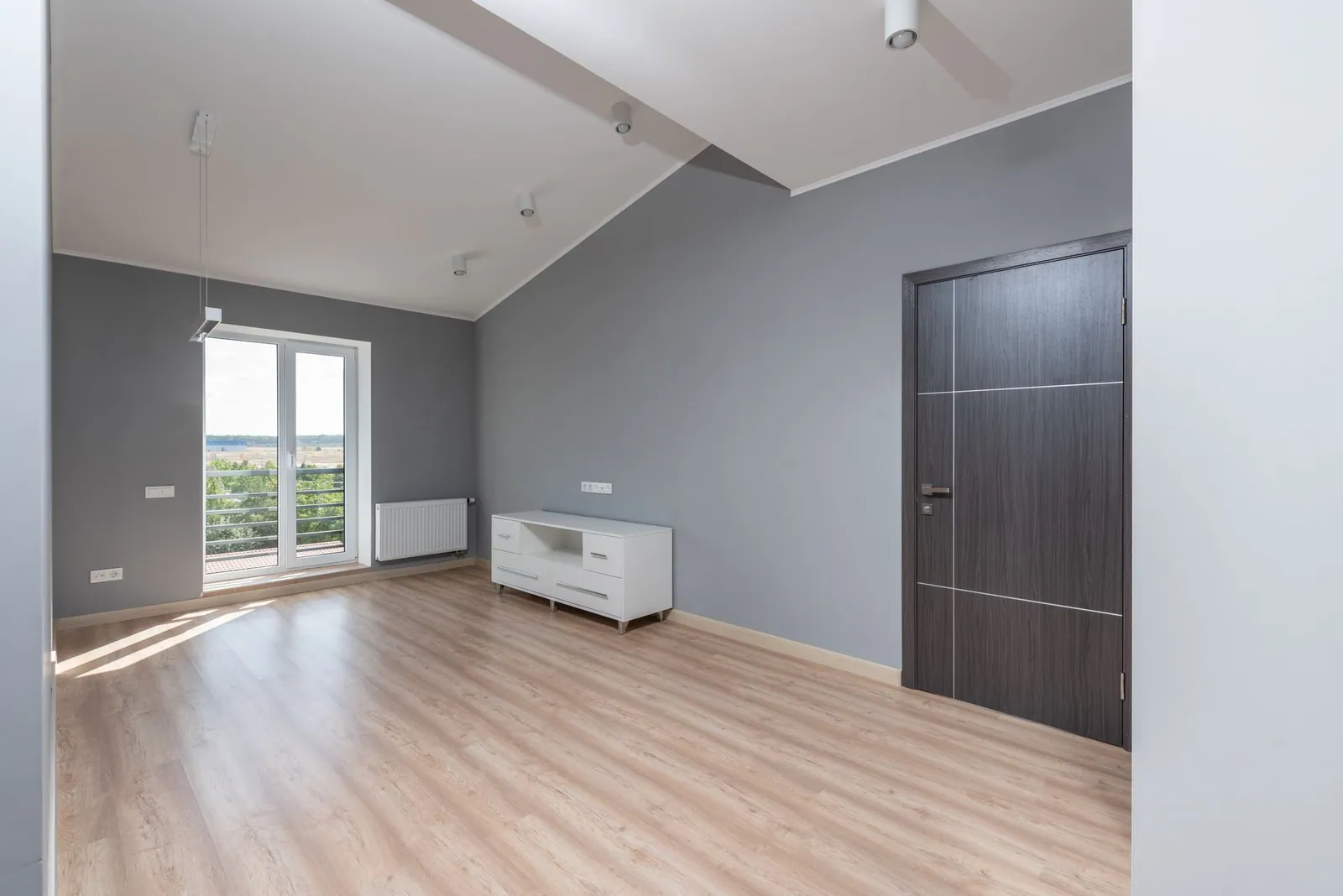
If your priority is resisting heat, scratches, spills and repeated deep cleaning, porcelain tile flooring is the durability leader among flooring for kitchens. Quality porcelain is dense, absorbs almost no water and shrugs off dropped cast iron, hot pans and acidic spills better than any resilient or wood-based product.
Tile's tradeoffs are comfort and installation. A polished finish can be slick near the sink, the hard surface is unforgiving on joints and standing feet, and dropped glassware breaks more easily than on a softer floor. Choose a textured or matte finish, use a supportive anti-fatigue mat at the primary cooking zone, and specify stain-resistant grout with properly filled, narrow joints to reduce cleaning time.
Installation quality determines whether tile performs well long-term. The substrate must be flat and stable, and older Richmond homes with settled framing may need leveling before large-format tile is installed. Tile also feels cool underfoot, which some homeowners welcome during humid Virginia summers and dislike during winter mornings.
3. Engineered Hardwood: Best Natural Look for Kitchens
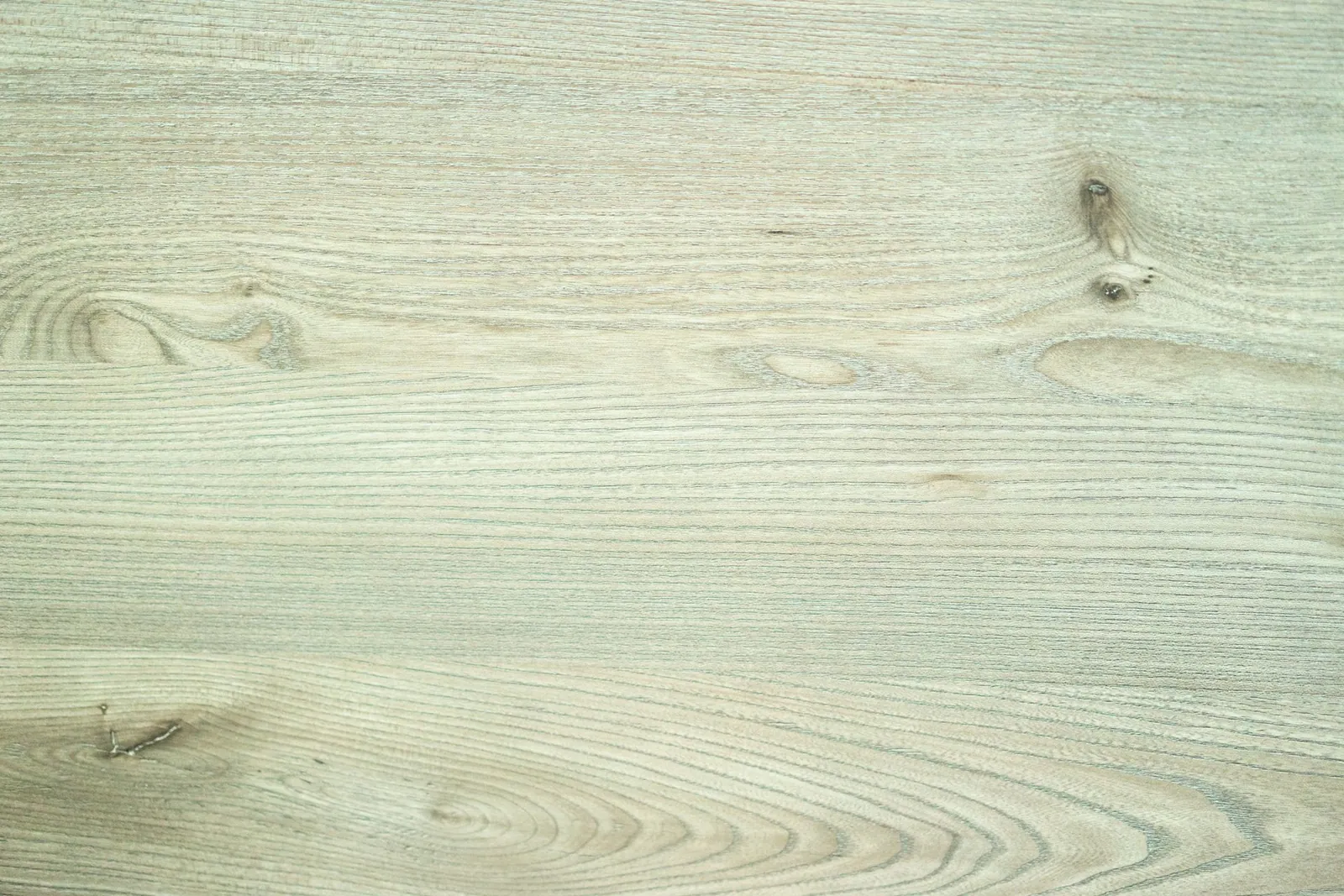
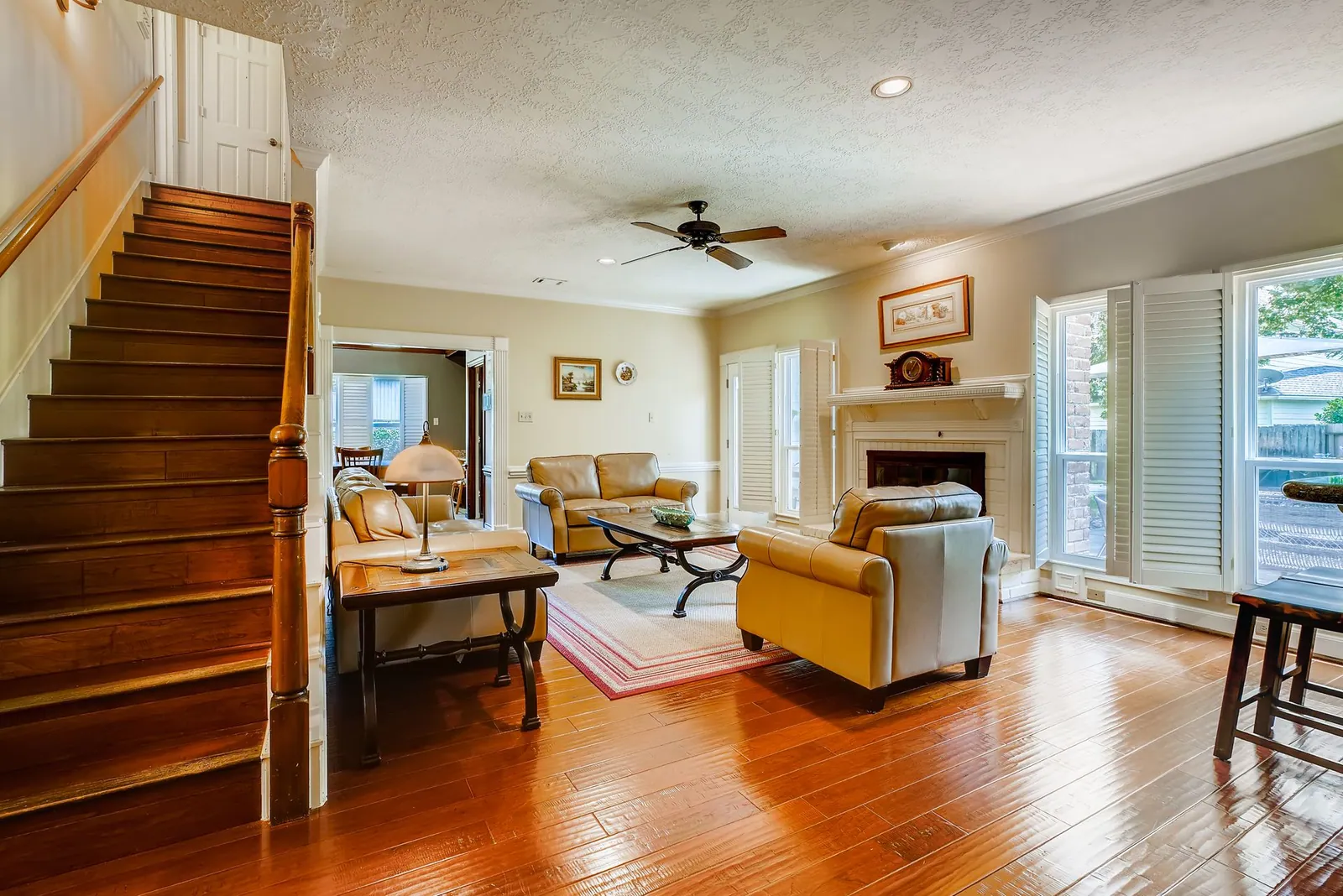
Real wood can work as flooring for kitchens when expectations are realistic and cleanup habits are disciplined. Its warmth and continuity with adjoining dining or living rooms remain compelling, especially in open floor plans where a hard transition line would otherwise interrupt the sightline. Engineered hardwood offers better dimensional stability through Richmond's seasonal humidity changes than solid wood, which matters near a room full of water sources.
Species and finish influence real-world performance. Hard maple, hickory and white oak resist dents better than softer species, though no wood is immune to a dropped cast-iron skillet. A quality factory finish with strong aluminum-oxide protection resists everyday spills better than a site-finished floor, and a matte, wire-brushed texture disguises minor scuffs near the island and sink.
Clean spills immediately, especially near the dishwasher, sink and refrigerator water line. Use a felt-protected mat rather than a rubber-backed mat that can trap moisture against the finish. When wear accumulates over the years, professional sanding and refinishing can restore a compatible floor rather than requiring full replacement.
4. Water-Resistant Laminate: Budget-Friendly Kitchen Flooring
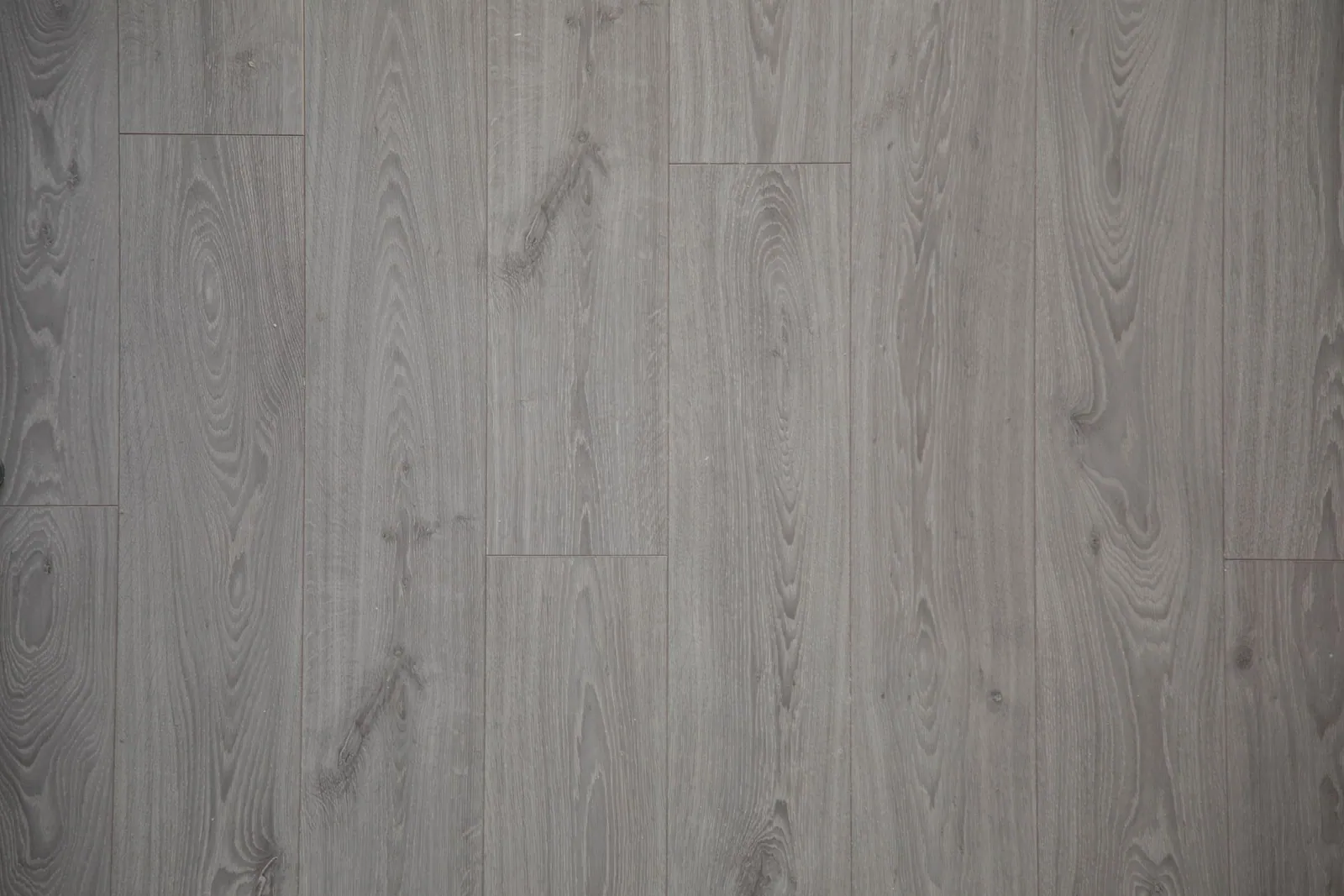
Modern water-resistant laminate deserves consideration when a realistic wood visual and strong scratch resistance matter more than complete waterproofing. Its hard wear layer stands up well to chair legs, dropped utensils and daily foot traffic, and it typically costs less than genuine hardwood while delivering sharp, detailed wood-grain imagery.
The wood-fiber core remains the limiting factor for this category of flooring for kitchens. Even "waterproof" laminate can swell if water sits at a seam beyond the product's rated exposure window, so the sink, dishwasher and refrigerator zones deserve extra caution. In a kitchen with disciplined, prompt cleanup, laminate can perform admirably at a lower material cost than LVP or hardwood.
Look for sealed edges, a strong abrasion rating and a warranty that does not exclude every kitchen-related scenario. Del Carlo installs laminate through its vinyl plank and laminate service, and can help compare it against LVP for your specific layout and cooking habits.
5. Sheet Vinyl and Cork: Specialty Options for Kitchens
Sheet vinyl remains a practical, budget-friendly choice for flooring for kitchens because its seamless or minimally seamed installation resists water exceptionally well across the entire room, not just at the surface. It will not match the visual depth of premium LVP, but a quality sheet product can be an economical, highly water-tolerant option for a rental property or a kitchen with a tight budget.
Cork brings a warmer, softer, more cushioned feel underfoot than any other kitchen flooring option, along with natural sound absorption. It requires a quality sealed finish to resist water at the sink and needs recoating over time to maintain that protection. Cork suits homeowners who prioritize comfort during long cooking sessions and are willing to maintain the finish consistently.
Choosing Flooring for Kitchens by Household Type
Open-concept and great-room kitchens
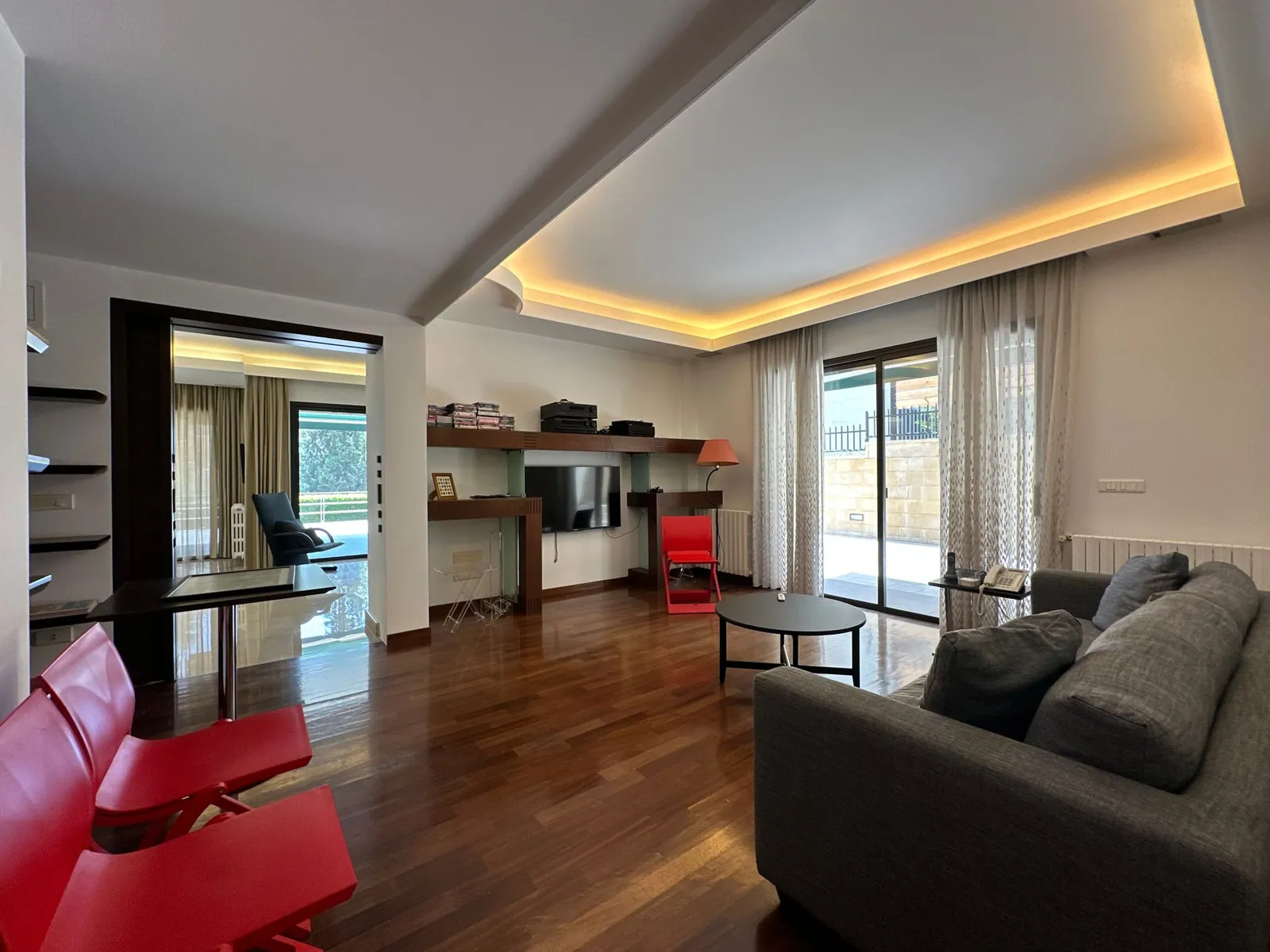
When the kitchen flows directly into a living or dining area, continuity matters. A single flooring material across the connected space, usually LVP or engineered hardwood, avoids awkward transition strips and makes the whole floor plan feel larger and more intentional.
Small galley kitchens
Tight kitchens see concentrated point loads at the sink and stove, and every scuff is highly visible in a small footprint. A durable, easy-clean surface like tile or a robust LVP tends to outperform softer materials in these compact, heavily used spaces.
Choosing Flooring for Kitchens with Kids and Pets
Households with children and pets need flooring for kitchens that tolerates dropped dishes, spilled cups, muddy paws and constant snack-time traffic. Waterproof LVP and porcelain tile both handle this combination well; textured, matte finishes disguise the inevitable scuffs better than glossy surfaces.
Kitchens in rental or resale-focused homes
For rental units and homes being prepared for sale, durability and broad buyer appeal usually outweigh a niche premium finish. Neutral wood-look LVP or a classic tile pattern tends to photograph well, resist tenant wear and appeal to the widest range of buyers.
What Richmond's Climate and Homes Change
Central Virginia's humid summers and seasonal indoor humidity swings affect any wood-based product used as flooring for kitchens, and fiberboard-core laminate can be damaged by water reaching unprotected edges. Acclimation, HVAC operation and subfloor moisture testing should be treated as installation requirements for kitchen projects, not optional upgrades.
Housing stock varies across the region. Older kitchens in The Fan, Museum District and Church Hill may sit over uneven subfloors or multiple layers of previous flooring. Homes in Midlothian, Short Pump and Chesterfield can still have slab flatness issues in newer construction. A free on-site evaluation lets an installer recommend the right preparation before material is ordered.
Kitchen renovations that open a wall into a dining or living room also change the flooring calculation, since a single continuous surface now needs to satisfy the demands of multiple rooms at once. Del Carlo serves homeowners throughout Richmond, Henrico, Chesterfield, Midlothian, Glen Allen and surrounding Central Virginia communities.
Best Kitchen Flooring Colors and Finishes
The most forgiving flooring for kitchens is usually light-to-medium in value, matte or low-sheen, and visually varied. Natural oak tones, warm mid-browns and subtle stone patterns disguise grease film, dust and footprints far better than very dark or very pale flooring. High-gloss finishes look striking in photos but reveal every smudge and water spot within a day of cooking.
Texture should be balanced against cleaning reality. A moderately embossed surface hides daily scuffs without holding onto crumbs and grease the way a deep, dramatic texture can. Bring a sample home, place it near your actual cabinets and counters, and view it under both morning and evening light before committing to a color for the whole kitchen.
How to Protect and Clean Kitchen Flooring
- Wipe spills immediately. Grease, oil and acidic liquids are more damaging the longer they sit on any finish.
- Use a supportive mat at the sink and stove. Choose a breathable, felt-backed mat and dry beneath it regularly.
- Sweep or vacuum daily. Grit tracked in from outside acts like sandpaper under foot traffic.
- Use the manufacturer's approved cleaner. Wax, oil soaps and steam can dull finishes or damage seams.
- Protect against dropped cookware. Felt pads under stools and rolling carts reduce dents and scratches.
- Check under the dishwasher and refrigerator periodically. Slow leaks are the most common hidden threat to any kitchen floor.
- Keep spare material. Save extra planks, tiles or boards from the original installation for future repairs.
Routine, prompt care protects flooring for kitchens better than infrequent deep cleaning. A gentle, approved cleaner used consistently does more good than an aggressive scrub applied only when grime has already set in.
7 Common Mistakes When Choosing Flooring for Kitchens
- Choosing by photo alone. A floor that looks stunning online can be too slick, too dark or too high-maintenance in daily use.
- Ignoring the subfloor. Even premium flooring for kitchens can fail over an uneven or moist substrate.
- Skipping the wear-layer comparison. Two products marketed as "kitchen-ready" can perform very differently.
- Overlooking transitions. Poorly planned transitions between the kitchen and adjoining rooms create tripping hazards and visual clutter.
- Choosing high gloss for a busy kitchen. Shine reveals every footprint, water spot and scratch almost immediately.
- Underestimating installation scope. Appliance removal, cabinet toe-kicks and island cutouts add real labor that a low bid may not include.
- Forgetting resale appeal. An extremely niche material may not suit the next buyer's taste or budget.
How Del Carlo Helps You Choose Kitchen Flooring
Selecting the right flooring for kitchens starts before installation day. Del Carlo Flooring follows a practical process built around the room, the household and the intended material:
- Free project conversation: We learn about your cooking habits, layout, style and budget.
- On-site evaluation: We measure, inspect the existing flooring and subfloor, and identify moisture or leveling concerns near sinks and appliances.
- Material comparison: We explain realistic tradeoffs among LVP, tile, hardwood and laminate without treating one product as automatically right for every kitchen.
- Clear written scope: The estimate identifies installation, removal, preparation and finishing details so options can be compared fairly.
- Professional preparation and installation: The crew handles appliance moves, cabinet toe-kicks and layout so the finished floor looks intentional.
- Final walkthrough: We review the finished work and practical care expectations before the project closes.
Learn more about Del Carlo Flooring, explore our full range of remodeling services, or contact the team for a free, no-pressure estimate.
Frequently Asked Questions About Flooring for Kitchens
What is the best flooring for kitchens?
For most homes, quality luxury vinyl plank is the best flooring for kitchens because it resists water, hides everyday spills, feels comfortable underfoot and cleans up quickly. Porcelain tile leads for pure durability, while engineered hardwood suits homeowners who want a continuous wood look.
Is LVP or tile better for kitchen flooring?
LVP is usually more comfortable and quieter underfoot, while tile offers maximum scratch and heat resistance. Many households choose LVP for comfort and easier cleanup, and tile when long-term durability outweighs softness.
Can hardwood be used as kitchen flooring?
Yes, with realistic expectations. Engineered hardwood with a durable factory finish can work well, but standing water near sinks, dishwashers and refrigerators must be addressed immediately to protect the wood.
Is laminate flooring good for kitchens?
Water-resistant laminate can work with disciplined cleanup habits, since its wood-fiber core is vulnerable to prolonged moisture. It suits dry, low-spill households on a tighter budget.
What is the most durable flooring for a kitchen?
Porcelain tile is generally the most durable flooring for kitchens because it resists scratches, dents, heat and moisture better than resilient or wood-based products. Its tradeoff is a harder, cooler surface.
What flooring hides dirt and grease best in a kitchen?
A light-to-medium matte floor with natural grain or subtle pattern variation typically hides grease film, dust and footprints better than very dark or high-gloss flooring.
Does kitchen flooring need to be waterproof?
Waterproof or highly water-resistant flooring is strongly recommended because of dishwasher leaks, sink splashes and dropped liquids. Waterproof LVP and properly installed porcelain tile provide the widest safety margin.
Can Del Carlo Flooring help me choose flooring for kitchens in Richmond?
Yes. Del Carlo Flooring provides free, no-pressure estimates and helps Richmond-area homeowners compare flooring for kitchens across LVP, tile, hardwood and laminate based on layout, cooking habits and budget.
Get a Free Estimate for Flooring for Kitchens in Richmond, VA
The best flooring for kitchens is not just the toughest sample on the showroom wall. It is the floor that handles your household's real cooking habits, coordinates with your cabinets and counters, and is installed correctly over the conditions in your specific home. For most Richmond kitchens, textured quality LVP provides the strongest overall balance of water resistance, comfort and easy care. Porcelain tile wins on maximum durability, engineered hardwood delivers authentic warmth for open floor plans, and water-resistant laminate stretches a tighter budget.
Del Carlo Flooring is a local, family-owned flooring and remodeling company serving Richmond and Central Virginia. Visit our About page, browse our flooring services, or request your free estimate today. We will help you compare flooring for kitchens honestly and build a clear scope for a floor your whole household can rely on.