What Is the Best Flooring for Bathrooms?
Porcelain or ceramic tile is generally the best flooring for bathrooms because it is effectively impervious to water, resists mold and provides strong slip resistance when a textured finish is chosen. Waterproof vinyl plank is a warmer, quieter and more budget-friendly alternative for half baths and the dry floor area outside a shower. Sheet vinyl offers the lowest-cost fully waterproof option, while natural stone delivers a premium look for homeowners willing to maintain a sealed surface.
Bathrooms combine more moisture exposure than any other room in the house with constant temperature swings from hot showers, steam and cold mornings. Choosing flooring for bathrooms means prioritizing water resistance and slip safety first, then layering in comfort and style once those fundamentals are covered.
Richmond's humid summers add another layer to the decision, since poor ventilation combined with daily steam can create ideal conditions for mold if the wrong material or installation is chosen. This guide compares the flooring for bathrooms that Del Carlo Flooring installs across Richmond and Central Virginia, including porcelain tile, waterproof vinyl plank, sheet vinyl and natural stone.
Bathroom Flooring Comparison at a Glance
No single material wins every category. Tile resists water and mold better than anything else, but its hard, cool surface can feel unwelcoming on a cold morning. Vinyl plank trades a small amount of absolute waterproofing for comfort and warmth. The scorecard below narrows the field before we look at each option in detail.
| Flooring | Water resistance | Slip resistance | Comfort | Mold resistance | Best use |
|---|---|---|---|---|---|
| Porcelain/ceramic tile | Excellent | Good with texture | Fair | Excellent | Best overall |
| Waterproof vinyl plank | Very good | Good | Good | Very good | Warmer alternative |
| Sheet vinyl | Excellent | Good | Good | Excellent | Budget wet rooms |
| Natural stone | Good with sealing | Varies by finish | Fair | Good with sealing | Premium look |
Scores assume a quality product and correct installation. A poorly sealed natural stone floor can perform worse than budget sheet vinyl, and a glossy tile can be more dangerous underfoot than a textured, matte vinyl plank. Installation detail at seams, transitions and the shower threshold matters as much as the material itself.
The 7 Things to Look for in Flooring for Bathrooms
1. Water and moisture resistance
Bathrooms see constant splashing, steam and occasional standing water around the tub and sink. Flooring for bathrooms needs to tolerate this exposure at the surface and at every seam, transition and perimeter joint.
2. Slip resistance
Wet feet stepping out of a shower or tub make traction a genuine safety issue, not just a comfort preference. Textured, matte finishes consistently outperform polished or high-gloss surfaces in bathrooms.
3. Mold and mildew resistance
Persistent humidity and limited airflow make bathrooms especially prone to mold if a material or its grout absorbs moisture. Dense, sealed and non-organic materials resist this far better than porous, untreated surfaces.
4. Comfort and heated floor compatibility
Bare tile can feel cold on winter mornings, which is why many homeowners pair it with radiant floor heating. Vinyl plank offers built-in warmth without that added system, which can offset some of tile's comfort disadvantage.
5. Grout and seam maintenance
Grout lines and vinyl seams are the weak points in otherwise waterproof flooring for bathrooms. Sealing schedules and seam quality determine whether the floor keeps performing years after installation.
6. Ventilation compatibility
No flooring material fully compensates for inadequate bathroom ventilation. A functioning exhaust fan protects any flooring choice by reducing the ambient humidity the material has to withstand day after day.
7. Style and resale appeal
Bathrooms are one of the rooms buyers scrutinize most closely. A clean, neutral, well-installed floor supports resale value far more than a niche or heavily worn surface, regardless of how functional it still is.
1. Porcelain and Ceramic Tile: Best Overall Flooring for Bathrooms
Porcelain tile earns the top spot among flooring for bathrooms because dense, low-porosity porcelain absorbs almost no water and stands up to daily steam without hesitation. Ceramic tile performs similarly well for most residential bathrooms at a somewhat lower cost.
Choose a textured or matte finish rather than polished tile, since a wet, glossy surface can become genuinely dangerous underfoot. Stain-resistant, properly sealed grout in a narrow, consistently filled joint reduces the ongoing maintenance that grout otherwise demands in a high-moisture room.
Large-format tile with fewer grout lines can simplify cleaning, but it requires a flat, well-prepared substrate to avoid lippage. Richmond homes with older subfloors may need leveling work before large-format tile is installed correctly.
Tile size also affects how a small bathroom feels. Larger format tiles with narrow grout lines tend to make a compact bathroom feel more expansive by reducing the visual clutter of many small joints, while smaller mosaic tiles can add texture and slip resistance in the shower pan itself even when the main floor uses a larger format. Many Richmond bathroom renovations mix tile sizes intentionally this way, using a bigger format on the main floor and a smaller, more slip-resistant tile inside the shower.
2. Waterproof Vinyl Plank: Warmer Budget Alternative
Waterproof vinyl plank is a strong choice as flooring for bathrooms outside the direct wet-shower zone, offering a warmer, quieter and more budget-friendly alternative to tile with a convincing wood-look appearance.
Confirm the specific product is explicitly rated for bathroom use, since not every vinyl line is approved for this level of moisture exposure. Seams, toilet flange cutouts and the transition at the shower threshold deserve extra attention during installation, since these are the points where water is most likely to find a way beneath the floor.
3. Sheet Vinyl: Budget-Friendly Wet-Room Option
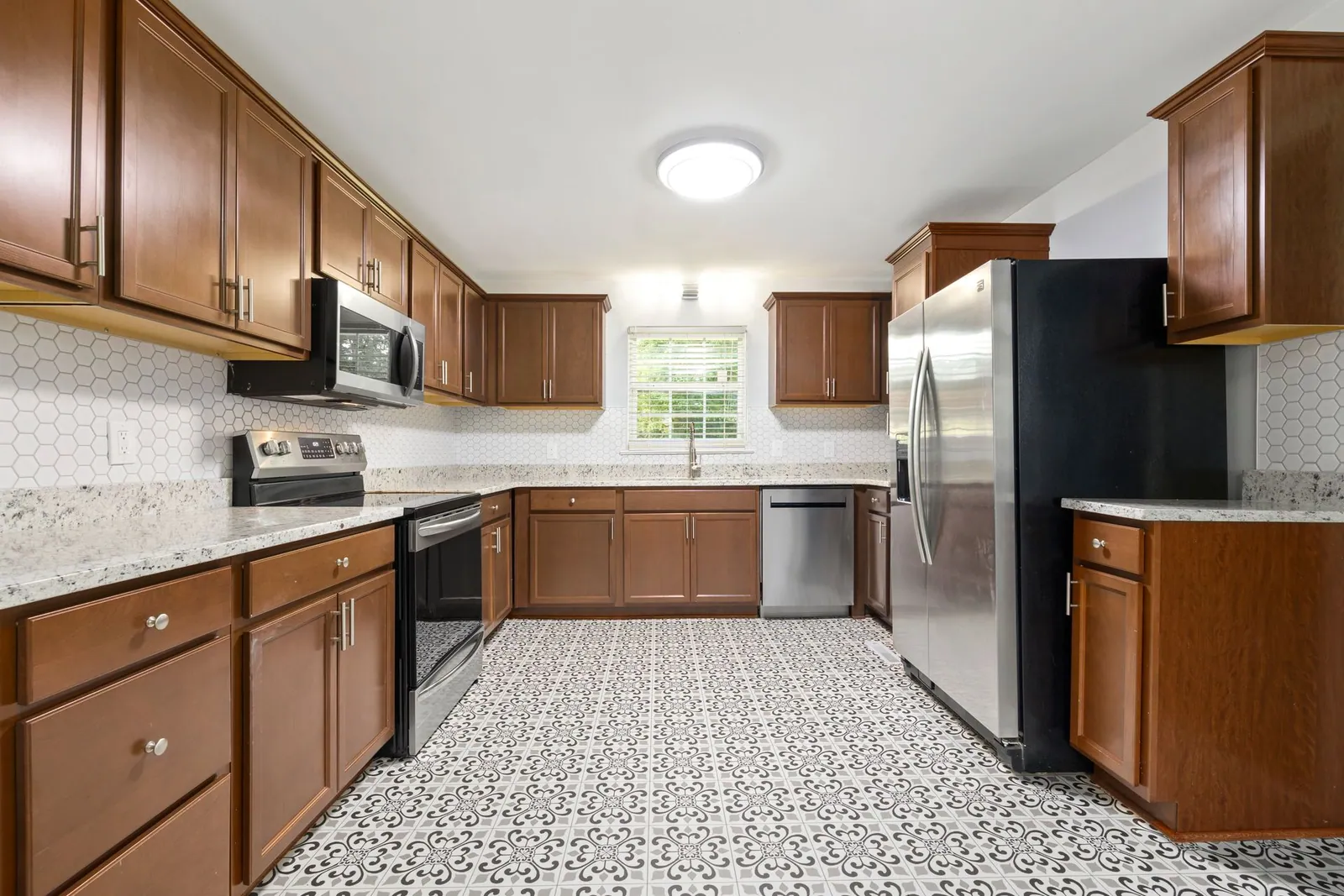
Sheet vinyl remains one of the most economical forms of flooring for bathrooms because its large, minimally seamed rolls resist water across the entire floor rather than relying on many individual joints. For a rental unit, guest bathroom or tight renovation budget, quality sheet vinyl offers excellent practical performance.
Its tradeoff is visual variety and a less premium feel underfoot compared with rigid vinyl plank or tile. Precise seam placement away from high-traffic and high-water zones extends its service life considerably.
4. Natural Stone: Premium Look with Extra Maintenance
Natural stone such as marble, travertine or slate can create a striking, premium bathroom floor, but it requires consistent sealing to resist water absorption and staining. Unsealed or under-maintained stone can actually perform worse than budget vinyl in a high-moisture bathroom.
Honed or textured stone finishes provide better slip resistance than polished stone, which can become genuinely hazardous when wet. Homeowners choosing stone as flooring for bathrooms should budget for periodic resealing as an ongoing part of ownership, not a one-time installation step.
Porous stones like travertine and some marbles require more frequent sealing than dense granite or slate, and the correct sealer varies by stone type and finish. A professional installer familiar with natural stone can recommend the right sealing product and schedule for the specific material chosen, since a generic hardware-store sealer is not always compatible with every stone. Grout between stone tiles deserves the same attention as grout between porcelain, since it remains a porous point even when the surrounding stone is well sealed.
5. What to Avoid in Bathroom Flooring
Solid hardwood is a poor match for the moisture levels a bathroom generates daily, since even careful cleanup cannot fully offset constant humidity and occasional standing water. Standard laminate with an untreated wood-fiber core shares this vulnerability. Wall-to-wall carpet is also discouraged in bathrooms, since its fibers and padding trap moisture and create ideal conditions for mold and mildew.
Cork is sometimes suggested as a warm, comfortable bathroom option, but it requires a diligent sealing routine to resist water at the surface, and any gap in that maintenance can allow moisture to reach the material beneath. Peel-and-stick vinyl tiles are another product worth approaching carefully, since their thinner profile and simpler adhesive systems often cannot match the seam integrity of a full sheet vinyl or rigid vinyl plank installation in a room that sees daily moisture exposure. None of these choices are automatically disastrous in a very low-moisture half bath, but they all carry more risk than tile, quality vinyl plank or properly sealed stone in a bathroom used daily for showering.
Choosing Flooring for Bathrooms by Type
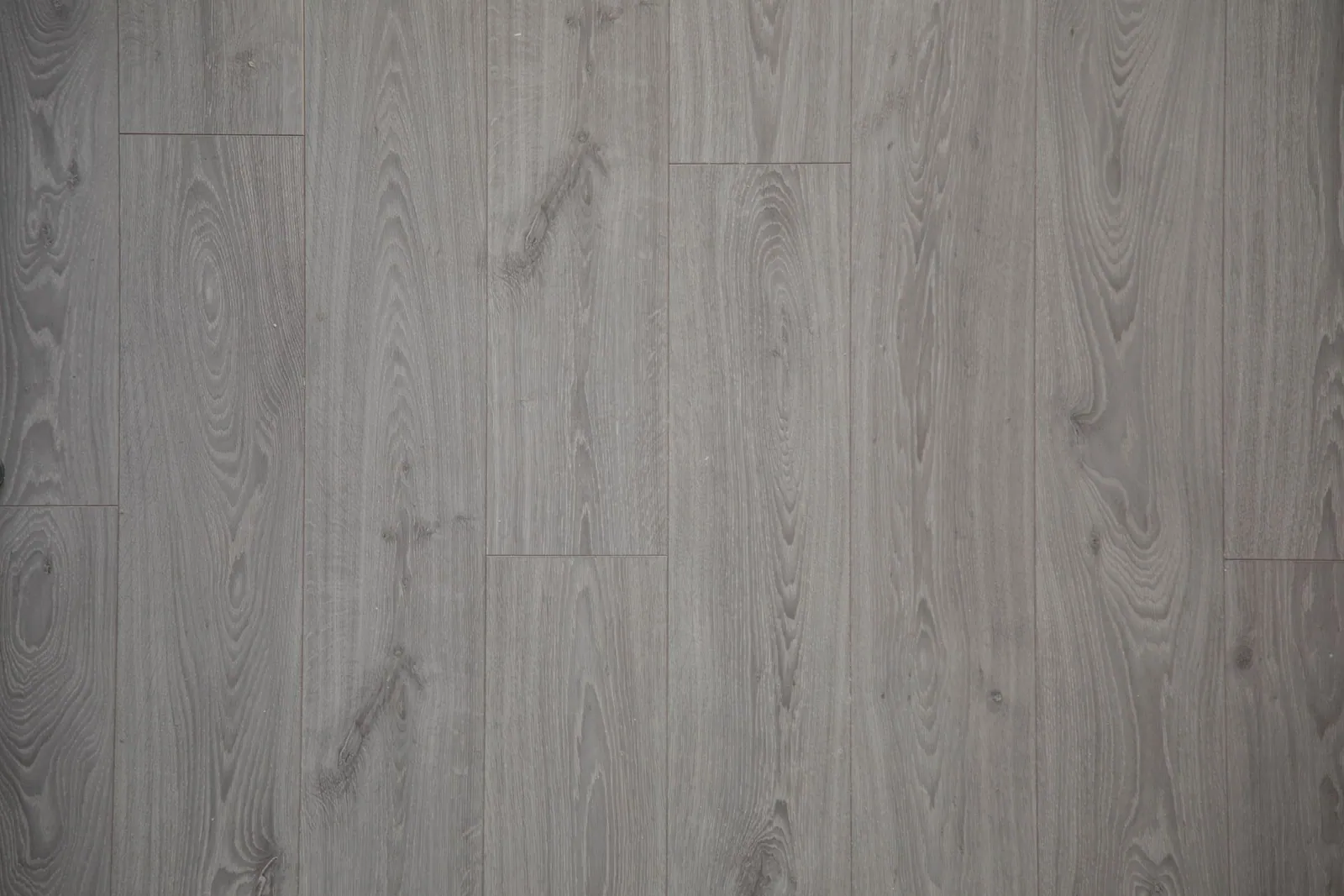
Primary and en-suite bathrooms
Daily use by adults justifies investing in durable, comfortable flooring. Large-format tile or premium waterproof vinyl plank both work well, especially paired with radiant heat for tile.
Powder rooms and half baths
Lower moisture exposure gives more flexibility. Waterproof vinyl plank or a striking accent tile can add character without the full waterproofing demands of a shower-equipped bathroom.
Kids' and guest bathrooms
Frequent splashing, dropped toys and less careful cleanup make durable, easy-clean tile or vinyl the safer choice. Slip resistance matters even more in bathrooms used by children.
Choosing Flooring for Bathrooms with Heated Floor Systems
Radiant heat works especially well under tile and some engineered stone products, offsetting their naturally cool surface temperature. Confirm that any vinyl product is explicitly rated for use over radiant heating before installation, since not every core material tolerates the added warmth safely.
What Richmond's Climate Changes
Central Virginia's humid summers put extra pressure on bathroom ventilation, since outdoor humidity reduces how effectively a bathroom fan can dry the room between uses. Older Richmond homes in The Fan, Museum District and Church Hill may also have bathrooms with limited or no exterior venting, making material choice and sealing even more important than in a newer, better-ventilated home.
Homes in Midlothian, Short Pump and Chesterfield with newer construction often have better-ventilated bathrooms, but subfloor flatness and moisture testing near tubs and showers remain worthwhile steps before installing flooring for bathrooms in any era of home. Del Carlo Flooring serves homeowners throughout Richmond, Henrico, Chesterfield, Midlothian, Glen Allen and surrounding Central Virginia communities.
Basement bathrooms deserve particular attention in the Richmond area, since they combine below-grade humidity with the same steam and splash exposure as an above-grade bathroom. A slab moisture test is worth performing before installing flooring for bathrooms located below grade, much as it would be for any other below-grade flooring project. Homeowners adding a bathroom during a basement finishing project should treat that evaluation as part of the same scope rather than an afterthought once tile or vinyl has already been ordered.
Best Colors and Finishes for Bathroom Floors
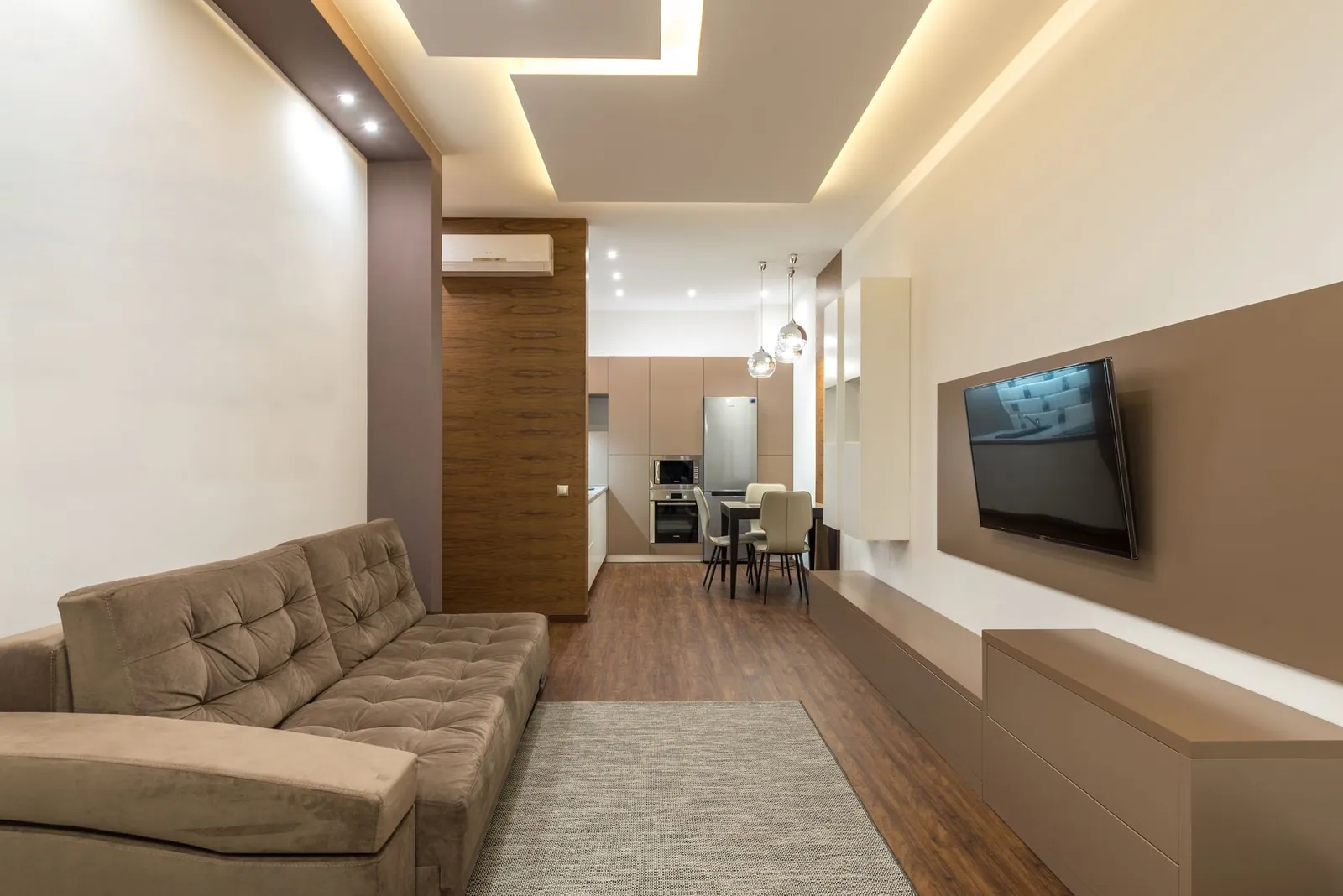
Light-to-medium tones with a matte or textured finish tend to work best as flooring for bathrooms, since they disguise water spots, soap residue and dust better than very dark or high-gloss surfaces. A bathroom is often one of the smallest rooms in the house, and lighter flooring helps it feel more open.
Grout color deserves as much thought as the tile itself. A grout tone close to the tile minimizes visual maintenance, while a strongly contrasting grout can highlight every bit of everyday grime between cleanings.
Sheen level interacts with slip resistance in ways that are easy to overlook when browsing samples in a showroom. A finish that looks elegant under bright display lighting can behave very differently once it is wet and viewed under the softer, often dimmer lighting of a real bathroom. Whenever possible, request a sample and test it barefoot with wet feet before committing to a finish for the whole room, rather than judging slip resistance from a dry showroom floor alone.
How to Clean and Protect Bathroom Flooring
- Run the exhaust fan during and after showers. Reducing ambient humidity protects the floor and grout alike.
- Wipe standing water promptly. Puddles near the tub or sink should not be left to evaporate on their own.
- Reseal grout and stone on schedule. This single step prevents most long-term moisture problems in tile and stone floors.
- Use a bath mat with a non-slip backing. It protects the floor finish and reduces slip risk near the tub.
- Avoid harsh acidic cleaners on stone. They can etch natural stone surfaces and dull sealants over time.
- Check caulk at the tub and shower. Failed caulk is a common hidden source of water reaching the subfloor.
- Keep spare tile or vinyl on hand. Matching material makes future repairs faster and far less visible.
7 Common Mistakes When Choosing Flooring for Bathrooms
- Choosing polished tile for a shower-adjacent floor. Slip risk outweighs the visual appeal.
- Skipping proper grout sealing. This is the most common reason a durable tile floor starts looking dated.
- Installing standard laminate or hardwood. Neither tolerates sustained bathroom humidity well.
- Ignoring ventilation. Even the best flooring cannot fully offset a poorly vented room.
- Overlooking the shower threshold detail. This transition is where water most often finds its way beneath the floor.
- Choosing carpet for warmth. A bath mat achieves the same comfort without trapping moisture against the subfloor.
- Ignoring subfloor flatness. Large-format tile especially needs a properly leveled substrate to avoid lippage.
How Del Carlo Helps You Choose Bathroom Flooring
Selecting the right flooring for bathrooms starts with understanding your ventilation, moisture exposure and daily routine. Del Carlo Flooring follows a practical process built around the room:
- Free project conversation: We discuss your household, ventilation and style preferences.
- On-site evaluation: We inspect the existing floor, subfloor and moisture exposure around the tub and shower.
- Material comparison: We explain realistic tradeoffs among tile, vinyl and stone for your specific bathroom.
- Clear written scope: The estimate identifies waterproofing, preparation, installation and finishing details.
- Professional preparation and installation: The crew handles fixtures, transitions and sealing so the finished floor performs as intended.
- Final walkthrough: We review the finished work and care expectations before the project closes.
Learn more about Del Carlo Flooring, explore our full range of remodeling services, or contact the team for a free, no-pressure estimate.
Frequently Asked Questions About Flooring for Bathrooms
What is the best flooring for bathrooms?
Porcelain or ceramic tile is generally the best flooring for bathrooms because it is effectively impervious to water, resists mold and provides strong slip resistance with a textured finish.
Is vinyl flooring good for bathrooms?
Yes. Quality waterproof vinyl plank is a practical, budget-friendly flooring for bathrooms, especially outside the wet shower zone, when the product is rated for bathroom use.
Can you put hardwood flooring in a bathroom?
Solid hardwood is generally not recommended because of constant humidity. Tile or waterproof vinyl remain more reliable choices for bathrooms.
Does bathroom flooring need to be slip-resistant?
Yes. Wet feet make slip resistance one of the most important safety factors. Textured, matte-finish tile or vinyl performs far better than glossy surfaces.
What flooring resists mold best in a bathroom?
Porcelain tile with sealed grout resists mold better than almost any other material, and waterproof vinyl with sealed seams is also highly mold-resistant.
Is heated bathroom flooring worth it?
Radiant heat can make tile feel significantly more comfortable during cold mornings and is a worthwhile addition for homeowners using the bathroom daily.
What is the cheapest waterproof bathroom flooring?
Sheet vinyl is typically the least expensive genuinely waterproof flooring for bathrooms, thanks to its seamless installation and low material cost.
Can Del Carlo Flooring help me choose flooring for bathrooms in Richmond?
Yes. Del Carlo Flooring provides free, no-pressure estimates and helps Richmond-area homeowners compare flooring for bathrooms across tile, vinyl and stone.
Get a Free Estimate for Flooring for Bathrooms in Richmond, VA
The best flooring for bathrooms is not simply the most attractive sample in a showroom. It is the material that tolerates your household's real moisture exposure, keeps everyone safe on wet mornings, and is installed correctly at every seam and transition. For most Richmond bathrooms, porcelain tile provides the strongest overall balance of durability and mold resistance, while waterproof vinyl plank delivers warmth and value in lower-exposure spaces.
Del Carlo Flooring is a local, family-owned flooring and remodeling company serving Richmond and Central Virginia. Visit our About page, browse our flooring services, or request your free estimate today. We will help you choose flooring for bathrooms with a clear scope built around your home.
Whether you are updating a single powder room or renovating a full primary bathroom, the same fundamentals apply: prioritize water resistance and slip safety first, then layer in comfort, style and resale appeal once those basics are covered. A short conversation before you commit to a material can prevent a costly mismatch between the product and the room's real moisture exposure.