What Is the Best Flooring for Allergies?
Hard, smooth, sealed flooring such as luxury vinyl plank, porcelain tile or hardwood is generally the best flooring for allergies because it does not trap dust, pet dander and pollen the way carpet fibers and padding can. Regular sweeping and damp mopping remove allergens from these surfaces far more completely than vacuuming alone typically removes them from carpet. The right flooring for allergies also depends on humidity control, since trapped moisture beneath any flooring type can encourage mold, which is its own significant allergy and asthma trigger.
Allergy and asthma sufferers often focus on air filters and bedding when trying to reduce symptoms at home, but flooring plays a surprisingly large role in how much dust, dander and pollen circulate through a house. Choosing flooring for allergies means prioritizing surfaces that release trapped particles easily during cleaning rather than holding onto them between cleanings, and that principle applies just as much to a home office as it does to a bedroom.
Richmond's pollen-heavy spring season and humid summers add extra pressure on allergy-conscious households, since both outdoor allergens tracked inside and indoor humidity-driven mold growth are realistic concerns for our region. This guide compares the flooring for allergies that Del Carlo Flooring installs across Richmond and Central Virginia, including LVP, tile, hardwood, laminate and carpet, with an emphasis on how each material actually performs once real families, pets and daily routines are factored in.
Allergy-Friendly Flooring Comparison at a Glance
No single material is perfect for every allergy-conscious household, but some clear patterns emerge. Hard, sealed surfaces consistently outperform fibrous materials for dust and dander control. The scorecard below narrows the field before we look at each option's allergy-specific tradeoffs.
| Flooring | Dust/dander resistance | Mold resistance | Ease of allergen removal | VOC/off-gassing concern | Best use |
|---|---|---|---|---|---|
| Luxury vinyl plank | Excellent | Very good | Excellent | Varies by product | Best overall |
| Porcelain tile | Excellent | Excellent | Excellent | Very low | Maximum allergen control |
| Hardwood | Very good | Fair | Very good | Varies by finish | Natural, sealed surface |
| Laminate | Good | Fair | Good | Varies by product | Budget-friendly option |
| Carpet | Poor | Fair with proper care | Poor | Varies by product | Generally discouraged |
Scores assume regular cleaning appropriate to each material. Even the best hard flooring for allergies will not help if dust and dander are allowed to accumulate between infrequent cleanings, and even carpet performs somewhat better with a dedicated HEPA vacuum used consistently.
The 7 Things to Look for in Flooring for Allergies
1. Smooth, sealed surface
A continuous, sealed surface does not give dust, dander and pollen anywhere to settle in the way fibers, deep grout lines or unfinished wood grain can. Flooring for allergies performs best when its top surface is genuinely smooth rather than deeply textured.
2. Ease of wet cleaning
Damp mopping physically removes allergen particles rather than redistributing them the way dry sweeping or vacuuming sometimes can. Materials that tolerate frequent damp cleaning without damage are inherently better suited to allergy management.
3. Mold and moisture resistance
Trapped moisture beneath or within any flooring can support mold growth, which is itself a significant allergy and asthma trigger independent of dust or dander. Waterproof, well-installed flooring for allergies reduces this risk substantially.
4. Low-VOC materials and finishes
Volatile organic compounds off-gassed from certain adhesives, finishes and underlayments can irritate sensitive airways independent of traditional allergens. Product-specific low-VOC or FloorScore certification is worth confirming for households with chemical sensitivities.
5. Minimal seams and grout lines
Every seam and grout line is a place dust and allergens can accumulate over time. Larger-format materials with fewer, tighter joints generally trap less debris than materials with many small seams.
6. Compatibility with a HEPA vacuum and mop
Flooring for allergies should tolerate the cleaning tools that actually remove fine particles most effectively, including a HEPA-filtered vacuum and a microfiber damp mop, without the manufacturer's care instructions restricting their use.
7. Underlayment and installation materials
The underlayment beneath flooring matters as much as the visible surface. A closed-cell, non-fibrous underlayment paired with low-VOC adhesives supports better indoor air quality than a fibrous pad or solvent-heavy adhesive system.
1. Luxury Vinyl Plank: Best Overall Flooring for Allergies
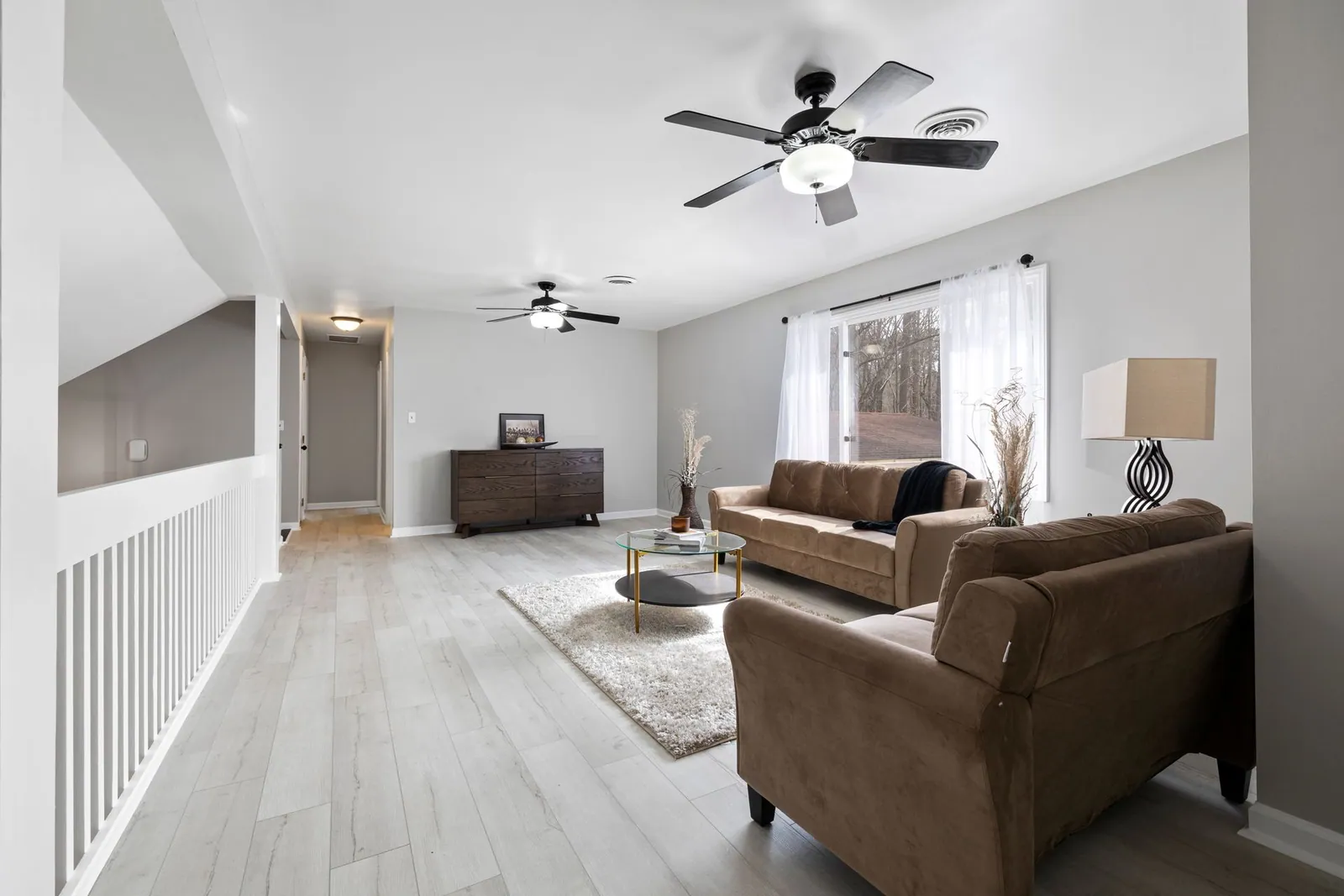
Quality luxury vinyl plank flooring earns the top spot among flooring for allergies because its smooth, sealed wear layer resists dust and dander accumulation and tolerates frequent damp mopping without damage, unlike carpet or unsealed wood.
Product-specific certification matters here more than the category name alone. Look for documented FloorScore or equivalent indoor-air certification, and confirm the adhesive or underlayment system used during installation, since some floating installations avoid adhesives almost entirely, which can further reduce off-gassing concerns for sensitive households.
A moderately textured, matte finish still cleans easily while offering better traction than a glossy surface, so allergy-conscious households do not need to sacrifice safety for easy cleaning. A local flooring company familiar with low-VOC products can help identify options that meet both goals.
2. Porcelain Tile: Maximum Allergen Control
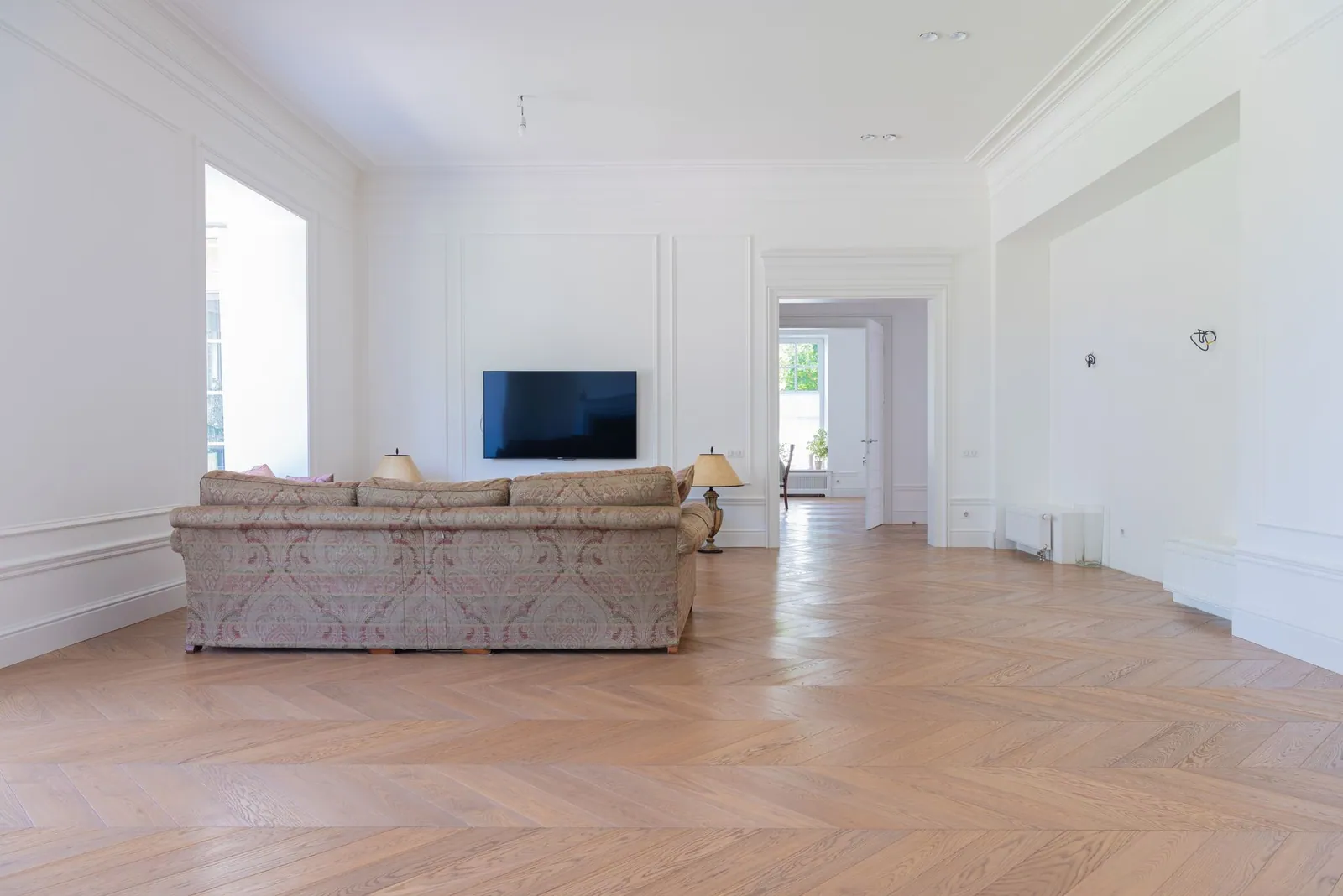
Porcelain tile offers some of the strongest allergen control among flooring for allergies, since dense, fired porcelain does not off-gas meaningfully, does not absorb moisture, and resists mold growth better than almost any other material.
Grout lines are the one place allergens can still accumulate in an otherwise excellent tile installation. Choosing a large-format tile with fewer, narrower, properly sealed grout joints minimizes this concern, and periodic grout sealing keeps the surface performing well for allergy purposes over many years.
Tile's cold surface temperature is worth weighing against its allergy benefits, particularly for households that spend significant time sitting or playing directly on the floor. Radiant floor heating can offset this drawback in bedrooms or living areas where comfort matters as much as allergen control, without compromising any of tile's inherent resistance to dust, dander and moisture.
3. Hardwood: Natural, Sealed Surface
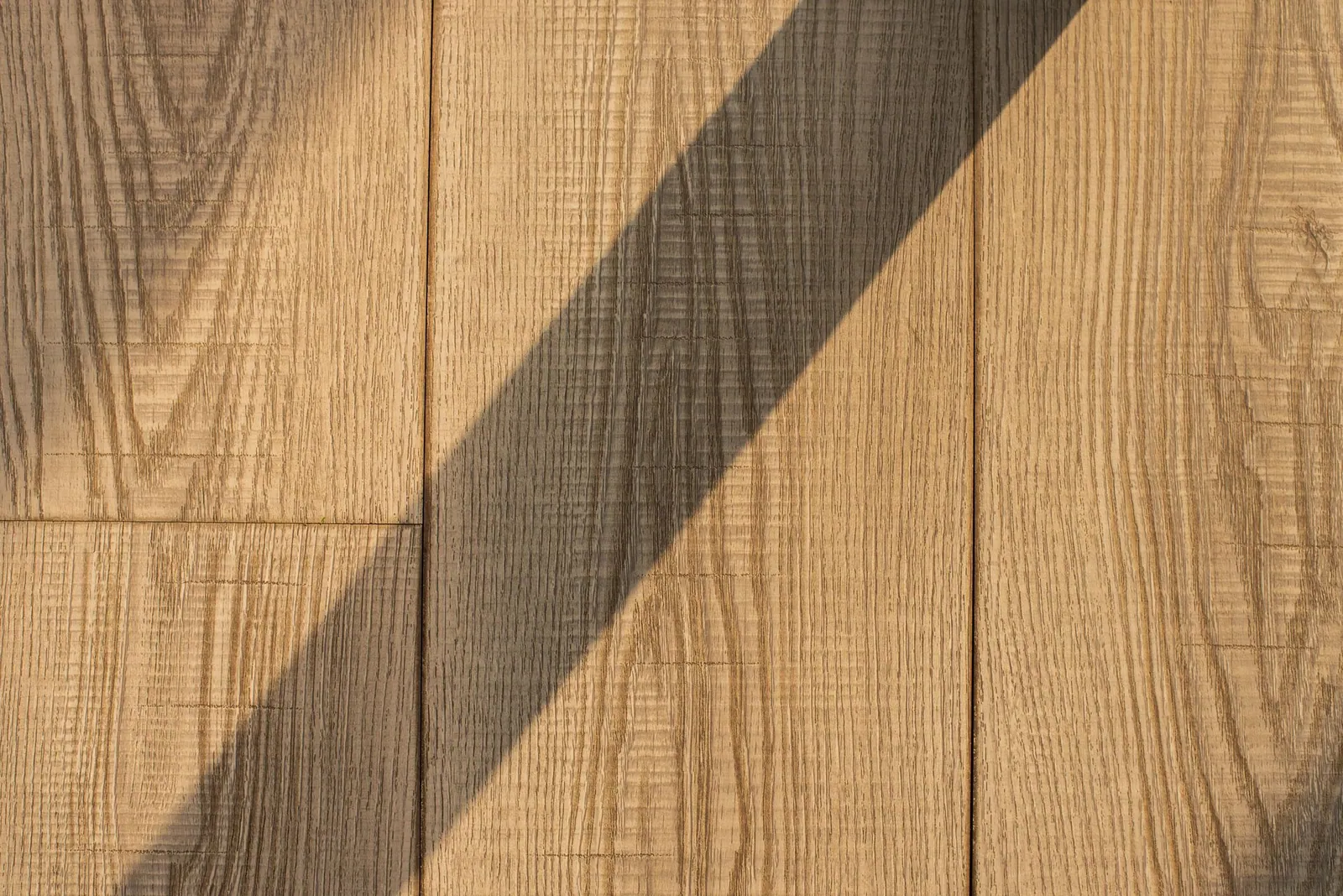
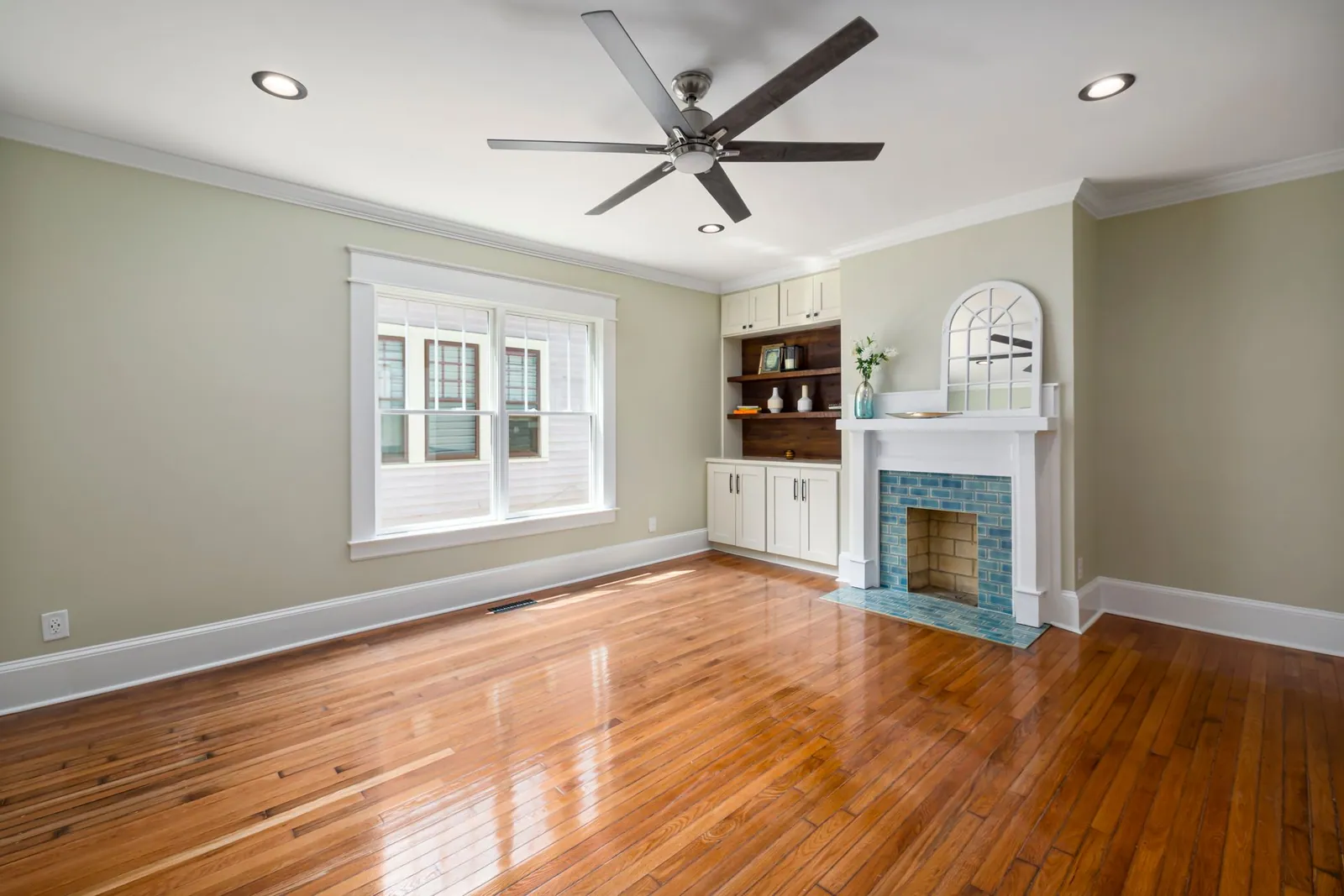
Hardwood remains a strong choice as flooring for allergies as long as the finish is intact and well-sealed. Its smooth, continuous surface does not trap dust or dander the way carpet fibers do, and regular sweeping combined with an approved damp-mopping routine keeps allergens from accumulating.
Worn or unfinished hardwood is a different story. Once a protective finish wears through, exposed wood grain can hold onto dust and allergens more readily, which is one more reason to refinish worn hardwood promptly rather than letting the surface degrade. Site-finished floors should be allowed to fully cure and ventilate before allergy-sensitive household members spend extended time in the room.
4. Laminate: Budget-Friendly Option
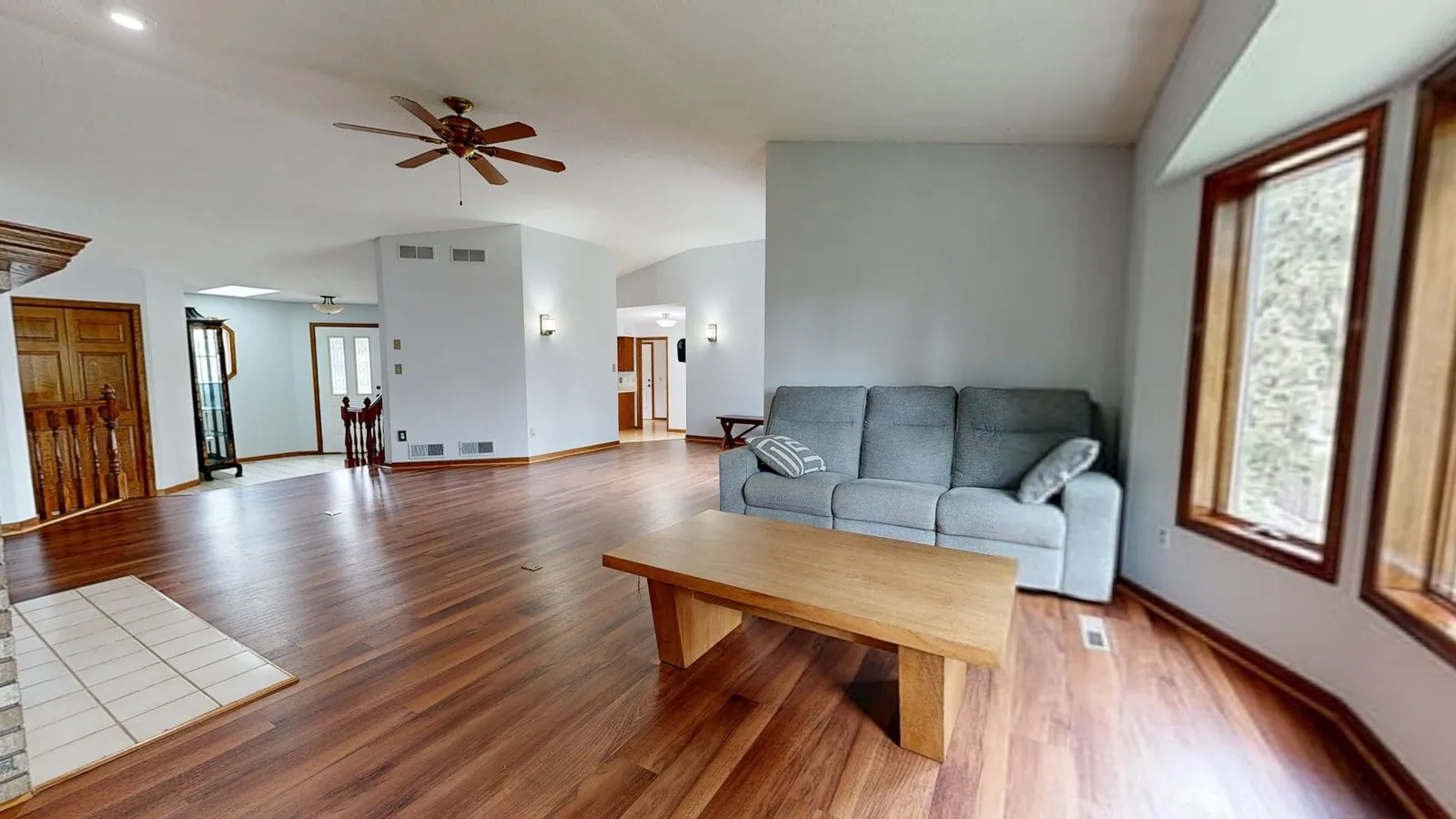
Laminate can serve as reasonable flooring for allergies on a tighter budget, offering a smooth, sealed wear layer that resists dust accumulation similarly to LVP. Its composite-wood core means emissions certification is worth checking carefully, since formaldehyde-related standards vary between manufacturers and product lines.
Because laminate's core is more moisture-sensitive than LVP, allergy-conscious households should be especially diligent about promptly addressing any spills or leaks, since trapped moisture beneath laminate can lead to mold growth that undermines the very allergen control the flooring was chosen to provide.
Newer laminate lines have improved substantially on emissions performance compared with products manufactured decades ago, and many now carry recognized low-formaldehyde certifications that make them a reasonable option even for moderately sensitive households. Requesting the specific certification documentation, rather than relying on a general "eco-friendly" label on the packaging, remains the most reliable way to compare laminate products for an allergy-conscious renovation.
5. Carpet: Generally Discouraged for Allergy Sufferers
Carpet is the material most likely to work against flooring for allergies goals, since its fibers and padding can trap dust mite debris, pet dander and pollen deep within the pile where regular vacuuming may not fully reach. For households with diagnosed allergies or asthma, replacing wall-to-wall carpet in main living areas with hard flooring is one of the more reliable ways to reduce indoor allergen load.
When carpet cannot be avoided entirely, such as in a rental unit or a household that strongly prefers it in bedrooms, a low-pile, densely woven product cleaned regularly with a true HEPA-filtered vacuum reduces the allergen burden somewhat compared with a plush, deep-pile carpet left to accumulate dust between infrequent cleanings.
Carpet padding deserves specific attention in allergy discussions, since it is often overlooked in favor of focusing on the visible fibers. Standard foam padding can absorb moisture, pet accidents and spilled liquids over time, creating conditions for mold and bacterial growth that no amount of surface vacuuming will address. A moisture-resistant pad reduces this risk somewhat, but it does not eliminate the fundamental limitation that carpet, as a category, gives allergens more places to hide than any hard flooring surface.
Choosing Flooring for Allergies by Household
Homes with asthma or severe allergies
Prioritize the smoothest, most sealed surfaces available, typically porcelain tile or quality LVP, paired with a robust HEPA air filtration plan and consistent humidity control throughout the home.
Nurseries and children's rooms
Smooth, sealed flooring combined with a washable area rug offers both easy allergen cleanup and a softer surface for young children, without the wall-to-wall carpet that can accumulate dust over months between deep cleanings.
Choosing Flooring for Allergies with Pets in the Home
Pet dander is one of the most persistent indoor allergens, and it settles into carpet fibers far more readily than onto a smooth vinyl, tile or hardwood surface. Textured, matte-finish hard flooring combined with a strict weekly damp-mopping routine gives pet-owning, allergy-conscious households the best combination of durability and allergen control.
Multi-generational and mixed-sensitivity households
When some household members have allergies and others do not, a consistent hard-surface flooring throughout main living areas, supplemented with washable rugs in spaces where softness is wanted, usually satisfies both groups better than a compromise that leaves carpet in shared common areas.
What Richmond's Climate and Pollen Season Change
Central Virginia's spring pollen season is intense, and tree pollen in particular can coat outdoor surfaces and get tracked inside on shoes, clothing and pets. Flooring for allergies that cleans easily near entry points helps limit how much of that pollen load spreads throughout the rest of the house.
Richmond's humid summers also raise the stakes on moisture management, since any flooring installed without proper subfloor moisture testing can eventually support mold growth that undermines allergen control regardless of how smooth or sealed the surface itself is. This is especially relevant in older homes in The Fan, Museum District and Church Hill, where basements and crawl spaces may not have modern vapor barriers.
A whole-home approach that pairs allergy-friendly flooring with functioning HVAC filtration, controlled indoor humidity and prompt moisture repairs delivers better results than flooring changes alone. Del Carlo Flooring serves homeowners throughout Richmond, Henrico, Chesterfield, Midlothian, Glen Allen and surrounding Central Virginia communities.
Homes with forced-air HVAC systems have an additional consideration worth mentioning: ductwork itself can accumulate dust over years of operation, and even the best flooring for allergies will not fully offset a duct system that is redistributing years of accumulated debris every time the system runs. Periodic duct inspection, alongside regular filter changes, complements a flooring upgrade rather than substituting for one, and the two improvements together tend to produce a more noticeable reduction in symptoms than either change alone.
How to Clean Flooring for Allergies
- Use a true HEPA-filtered vacuum. Standard vacuums can recirculate fine particles back into the air.
- Damp mop regularly. Wet cleaning physically removes allergens that dry sweeping can miss.
- Place walk-off mats at every entry. This captures a significant share of tracked-in pollen and outdoor allergens before they spread further.
- Wash removable rugs frequently. Even washable rugs accumulate allergens between hard-surface deep cleanings.
- Control indoor humidity. Keeping relative humidity between 40 and 50 percent discourages dust mites and mold alike.
- Change HVAC filters on schedule. Clean filters reduce the amount of circulating dust that eventually settles on flooring.
- Address spills and leaks immediately. Trapped moisture beneath any flooring can lead to mold growth that undermines allergen control.
7 Common Mistakes When Choosing Flooring for Allergies
- Keeping worn wall-to-wall carpet. It is one of the largest reservoirs of household allergens.
- Skipping emissions certification. Not every product marketed as allergy-friendly has documentation to support the claim.
- Ignoring the underlayment. A fibrous pad beneath hard flooring can still trap allergens.
- Choosing deep texture for its appearance. Dramatic embossing can hold onto dust more than a smoother finish.
- Neglecting humidity control. Even the best hard flooring for allergies cannot fully offset a persistently damp home.
- Relying on vacuuming alone. Damp cleaning removes allergens that dry methods leave behind.
- Forgetting entry-point cleaning. Pollen and outdoor allergens concentrate near doors more than anywhere else in the house.
How Del Carlo Helps You Choose Allergy-Friendly Flooring
Del Carlo Flooring helps Richmond-area households select flooring for allergies with a practical, health-conscious process:
- Free project conversation: We discuss your household's specific allergy or asthma concerns, pets and priorities.
- On-site evaluation: We inspect existing flooring, subfloor moisture and any signs of hidden mold or moisture damage.
- Material comparison: We explain realistic tradeoffs among LVP, tile, hardwood and laminate, including available emissions documentation.
- Clear written scope: The estimate identifies underlayment, adhesive and finishing details relevant to indoor air quality.
- Professional installation: The crew follows manufacturer requirements and ventilates the space appropriately during and after installation.
- Final walkthrough: We review the finished work and practical cleaning routines before the project closes.
Learn more about Del Carlo Flooring, explore our full range of remodeling services, or contact the team for a free, no-pressure estimate.
Frequently Asked Questions About Flooring for Allergies
What is the best flooring for allergies?
Hard, smooth, sealed flooring such as luxury vinyl plank, porcelain tile or hardwood is generally the best flooring for allergies because it does not trap dust, dander or pollen like carpet.
Is carpet bad for allergies?
Carpet fibers and padding can trap dust, pet dander, pollen and dust mite debris deep within the pile, where regular vacuuming may not fully remove them.
Does hardwood flooring help with allergies?
Yes. Hardwood's smooth, sealed surface does not trap dust or dander the way carpet fibers do, making it good flooring for allergies when kept clean.
Is vinyl plank flooring hypoallergenic?
Quality vinyl plank flooring is generally considered allergy-friendly because its smooth, sealed surface resists dust and dander accumulation and cleans easily.
Can flooring cause mold-related allergy symptoms?
Yes, if moisture becomes trapped beneath or within flooring, mold can develop and trigger allergy or respiratory symptoms. Proper installation over a tested, dry subfloor reduces this risk.
What underlayment is best for allergies?
A dense, closed-cell underlayment that does not trap moisture or shed fibers is generally preferable, paired with a smooth, sealed top surface.
Does removing carpet reduce allergy symptoms?
Many households report noticeable improvement after replacing wall-to-wall carpet with hard flooring, since dust, dander and pollen no longer have fibers to accumulate within.
Can Del Carlo Flooring help me choose flooring for allergies in Richmond?
Yes. Del Carlo Flooring provides free, no-pressure estimates and helps Richmond-area homeowners compare flooring for allergies based on their household's specific needs.
Get a Free Estimate for Flooring for Allergies in Richmond, VA
The best flooring for allergies is not just the smoothest sample in a showroom. It is the material that fits your household's specific sensitivities, tolerates the cleaning routine that actually removes allergens, and is installed correctly over a dry, well-prepared subfloor. For most Richmond households, quality LVP or porcelain tile provides the strongest overall balance of allergen resistance and everyday practicality, while sealed hardwood offers a natural alternative with similar benefits.
Del Carlo Flooring is a local, family-owned flooring and remodeling company serving Richmond and Central Virginia. Visit our About page, browse our flooring services, or request your free estimate today. We will help you choose flooring for allergies with a clear scope built around your household.
If someone in your home has been diagnosed with allergies, asthma, or a related respiratory condition, it is worth mentioning that concern specifically during your flooring consultation rather than treating it as a minor preference. It changes which products, adhesives and underlayments we recommend, and it is exactly the kind of detail that separates a flooring project that genuinely helps a household breathe easier from one that simply looks good.