Is Bamboo Flooring Worth It?
Quality strand-woven bamboo flooring is worth considering when you want a hard, durable, wood-like surface with a lower price than many hardwood species and a more renewable growing cycle. Its limitations are equally important: bamboo is sensitive to humidity swings, product quality varies significantly between manufacturers, and it is not waterproof despite sometimes being marketed alongside more water-tolerant materials. Bamboo flooring rewards careful product selection more than almost any other flooring category.
Bamboo flooring occupies an interesting middle ground in the Richmond flooring market: it looks and feels like hardwood, it is often priced closer to mid-range engineered wood, and it is grown from a rapidly renewable grass rather than a slow-growing hardwood tree. That combination has made bamboo flooring popular with homeowners who want an eco-conscious material without sacrificing the appearance of traditional wood floors.
The word "bamboo" covers a wide range of manufacturing quality, from dense, engineered strand-woven planks to older-style horizontal and vertical bamboo products that are considerably softer and less dimensionally stable. This guide examines the practical advantages and disadvantages of bamboo flooring without treating every product sold under that name as equivalent, the way Del Carlo Flooring evaluates it for Richmond homeowners.
What Bamboo Flooring Is Made Of
Bamboo flooring is manufactured from bamboo stalks that are sliced, boiled or steamed, and then bonded together under heat and pressure with adhesive resins. Unlike solid hardwood, which is milled directly from a single piece of timber, virtually all bamboo flooring is an engineered product built from multiple bamboo strips or fibers pressed together, even when it is marketed simply as "solid bamboo."
Strand-Woven vs. Traditional Bamboo Flooring
Traditional horizontal and vertical bamboo flooring bonds flattened bamboo strips together in visible layers, producing a lighter, softer product with a distinctly linear grain pattern. Strand-woven bamboo flooring shreds the bamboo fibers and compresses them under extremely high pressure with resin, creating a much denser, harder material with a more varied, less obviously "bamboo" appearance that can resemble exotic hardwood.
This distinction matters enormously for performance. Strand-woven bamboo flooring is typically significantly harder than traditional bamboo and often harder than red oak, while traditional bamboo can be comparable to or softer than many common domestic hardwood species. Homeowners comparing bamboo flooring products should always confirm which manufacturing method was used rather than assuming all bamboo performs the same way.
A newer variation, sometimes called strand-woven carbonized or fossilized bamboo, applies additional heat treatment to darken the color of the fibers before pressing. This process can create a rich, deep tone reminiscent of walnut or other dark hardwood species, but the added heat treatment typically softens the material somewhat compared with natural-color strand-woven bamboo. Homeowners drawn to a darker bamboo flooring color should weigh that tradeoff and ask the manufacturer directly how the carbonization process affected the specific product's hardness rating.
The Main Advantages of Bamboo Flooring
1. Renewable, fast-growing material
Bamboo is technically a grass that can reach harvestable maturity in as little as three to five years, compared with decades for most hardwood species. This rapid growth cycle is the primary reason bamboo flooring is marketed as an environmentally conscious choice, though the adhesives and finishes used in manufacturing also factor into its overall environmental profile.
2. Strong hardness in strand-woven products
Quality strand-woven bamboo flooring resists dents and scratches impressively well, often outperforming red oak and other moderately hard domestic hardwood species on standard hardness testing. This makes it a genuine contender for households with active traffic, provided the specific product's manufacturing quality is confirmed.
3. Competitive cost relative to hardwood
Bamboo flooring frequently costs less than comparable-quality hardwood, giving homeowners a wood-like appearance at a more accessible price point. Premium strand-woven products can approach hardwood pricing, so cost advantages are strongest at the mid-range of the category.
4. Distinctive, wood-like appearance
Strand-woven bamboo flooring can convincingly resemble exotic hardwood species, giving homeowners a distinctive look that stands apart from more common oak or maple flooring without the cost of true exotic wood.
5. Comfortable, warm underfoot feel
Like solid and engineered hardwood, bamboo flooring feels warmer and more comfortable underfoot than tile or vinyl, making it a natural fit for living rooms, bedrooms and other spaces where people spend extended time standing or sitting on the floor.
The Main Disadvantages of Bamboo Flooring
1. Sensitivity to humidity swings
Bamboo flooring responds to indoor humidity changes in ways that can be less predictable than solid hardwood, and inconsistent manufacturing quality can make some products more prone to gapping, cupping or warping than others. Richmond's humid summers and drier heating-season winters make consistent indoor humidity control especially important for bamboo flooring.
2. Significant quality variance between manufacturers
The bamboo flooring category includes both excellent, dense, well-finished products and considerably weaker options with thin finishes, inconsistent milling and lower-quality adhesives. Price alone does not always predict quality, making product research and reputable sourcing more important for bamboo flooring than for many established hardwood species.
3. Scratch visibility despite hardness
Even hard, strand-woven bamboo flooring can show scratches visibly against a very dark or high-gloss finish, since hardness affects dent resistance more than scratch visibility. Lighter, more matte finishes generally disguise everyday wear better regardless of the underlying hardness rating.
4. Adhesive and indoor air considerations
Because bamboo flooring is manufactured using resins and adhesives to bond fibers together, indoor air quality depends heavily on the specific manufacturing process and any formaldehyde-related emissions standards the product meets. Homeowners with air-quality sensitivities should request documentation on the specific product's emissions certification.
5. Limited refinishing compared to some hardwood
Solid strand-woven bamboo can typically be refinished a limited number of times, but the exact potential depends on the wear layer and manufacturing method, and it generally cannot match the refinishing depth of a thick solid hardwood board. Engineered bamboo products with a thin wear layer may not be sandable at all.
Is Bamboo Flooring Water-Resistant?
No. Bamboo flooring is a grass-based, wood-like material that behaves similarly to hardwood when it comes to standing water and prolonged moisture exposure. Spills should be wiped up promptly, and bamboo flooring is not recommended for bathrooms, laundry rooms or other consistently wet spaces.
Some manufacturers offer water-resistant coatings or treated products marketed alongside standard bamboo flooring, but homeowners should verify the specific water-resistance claims and their limitations rather than assuming all bamboo flooring performs identically. A kitchen with careful, prompt cleanup habits can be a reasonable fit for quality bamboo flooring, while a bathroom generally is not.
Durability, Scratches, Dents and Pets
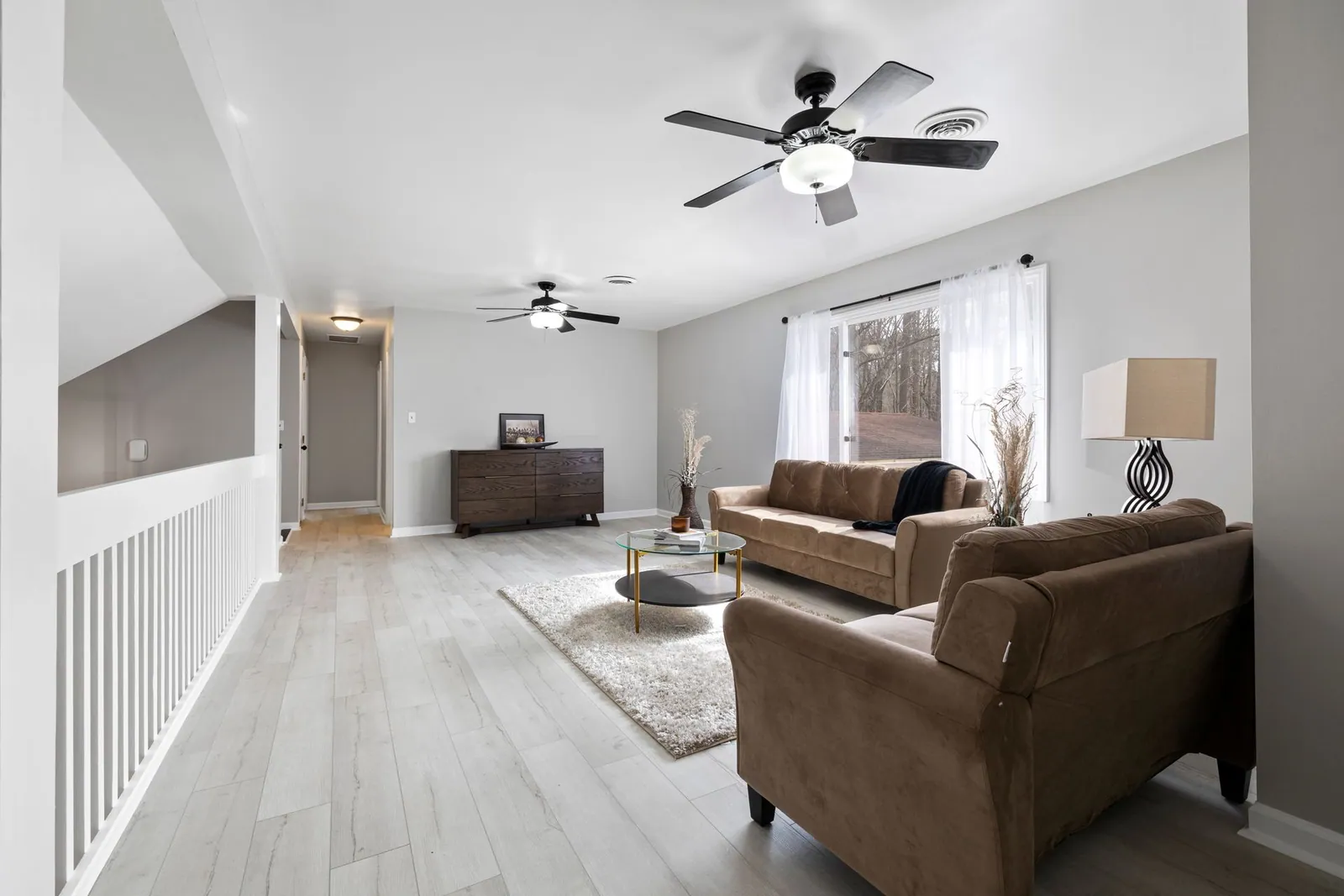
Quality strand-woven bamboo flooring performs well under ordinary residential traffic and often resists dents better than many common hardwood species, thanks to its dense, compressed manufacturing process. The factory finish is the surface that actually meets shoes, pet claws and furniture legs, so finish quality matters as much as the underlying material hardness.
Dog nails may leave fine marks on any hard flooring, bamboo included, and a matte, textured finish disguises this wear more effectively than a glossy one. Felt pads under furniture, entry mats and regular nail trimming all help protect bamboo flooring the same way they help protect solid or engineered hardwood.
Bamboo Flooring Cost in Richmond
Bamboo flooring generally falls in a similar or slightly lower price range than mid-tier engineered hardwood, though premium strand-woven products can approach solid hardwood pricing. Total project cost includes more than the material itself: removal of existing flooring, subfloor preparation, moisture testing, trim, transitions and installation labor all factor into the final number.
| Cost factor | Why it matters | What to verify |
|---|---|---|
| Manufacturing quality | Density, finish and adhesive quality vary widely between brands. | Hardness rating and finish warranty details. |
| Existing flooring | Removal and disposal add labor and may reveal repairs. | What is included in the written scope. |
| Subfloor condition | Flatness and moisture affect installation success. | Moisture testing and leveling requirements. |
| Installation method | Nail-down, glue-down and floating systems have different requirements. | Manufacturer-approved method for your subfloor. |
| Trim and transitions | Doors, stairs and adjoining floors require finish details. | Profiles, colors and replacement scope. |
A low material price on bamboo flooring can become expensive if it leads to premature gapping, a soft finish that scratches quickly, or early replacement. Compare complete written scopes and manufacturer documentation rather than price per square foot alone.
Regional pricing in Central Virginia tends to track national averages for bamboo flooring reasonably closely, since the material is imported rather than regionally sourced the way some domestic hardwood species are. This means shipping costs and tariff changes can move bamboo pricing somewhat independently of local hardwood markets, so it is worth requesting a current quote rather than relying on older pricing information found online.
Where Bamboo Flooring Works Best—and Where to Be Careful
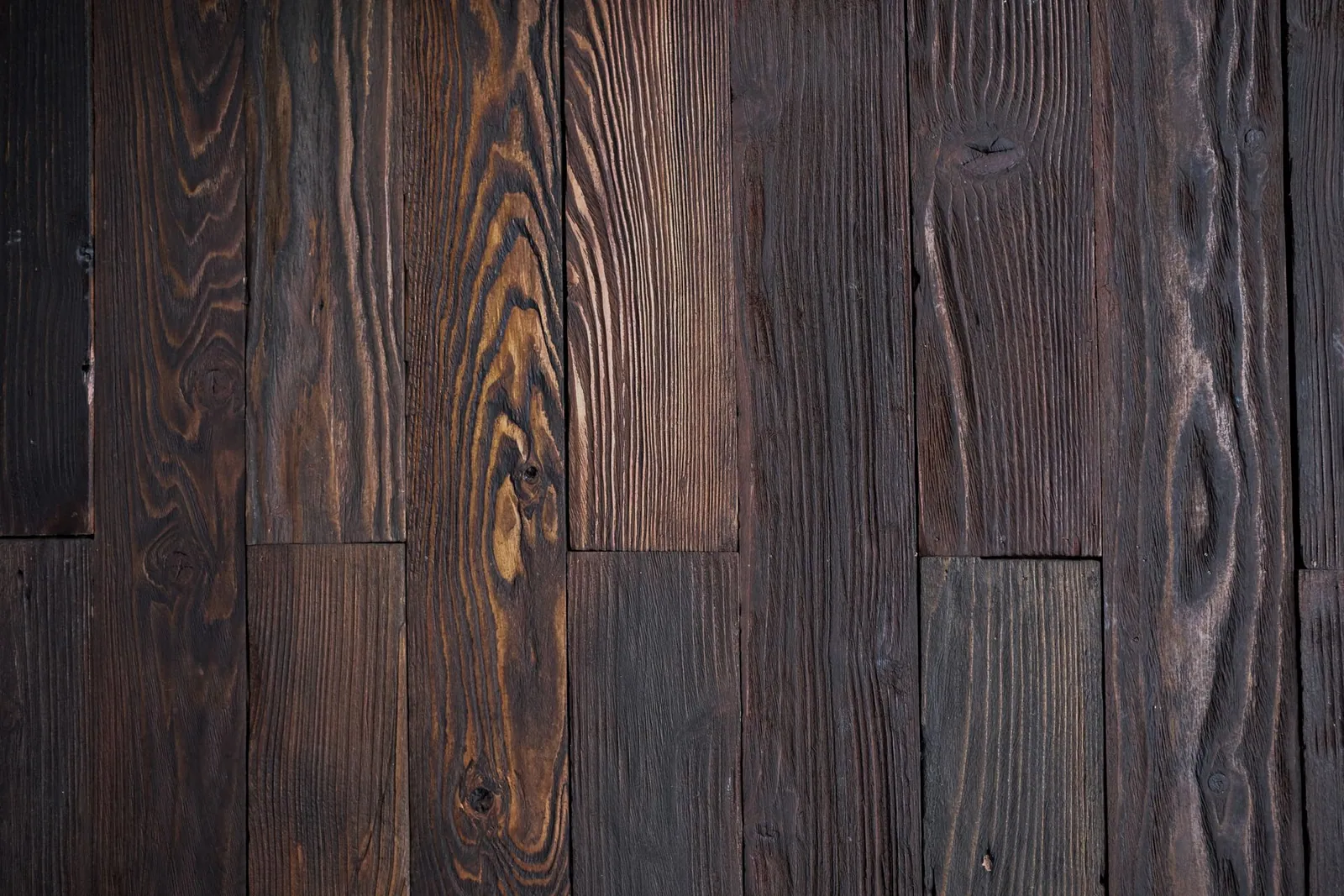
Living rooms and bedrooms
Bamboo flooring is well suited to these spaces, offering warmth, a distinctive appearance and strong durability from quality strand-woven products without significant moisture exposure to manage.
Kitchens
Bamboo can work in kitchens with disciplined, prompt spill cleanup, though homeowners who expect frequent standing water may prefer luxury vinyl plank or porcelain tile for a larger margin of error.
Basements and bathrooms
Bamboo flooring is generally not recommended in bathrooms or unevaluated basements due to sustained humidity and moisture risk. A moisture-tested, approved engineered product may be considered for some finished basements, but this should be confirmed with the manufacturer first.
Sunrooms and rooms with heavy direct sunlight
Extended direct sunlight can affect bamboo's color over time, similar to hardwood. Window treatments or UV-filtering glass help protect the finish and color consistency in sun-exposed rooms.
Stairs and hallways
The hardness of quality strand-woven bamboo flooring makes it a reasonable candidate for stairs and hallways, two of the highest-traffic areas in most homes. Stair-specific nosings and reducers should be sourced from the same product line to ensure a consistent color match, since bamboo's shading can vary somewhat between manufacturing batches.
Why Professional Installation Matters
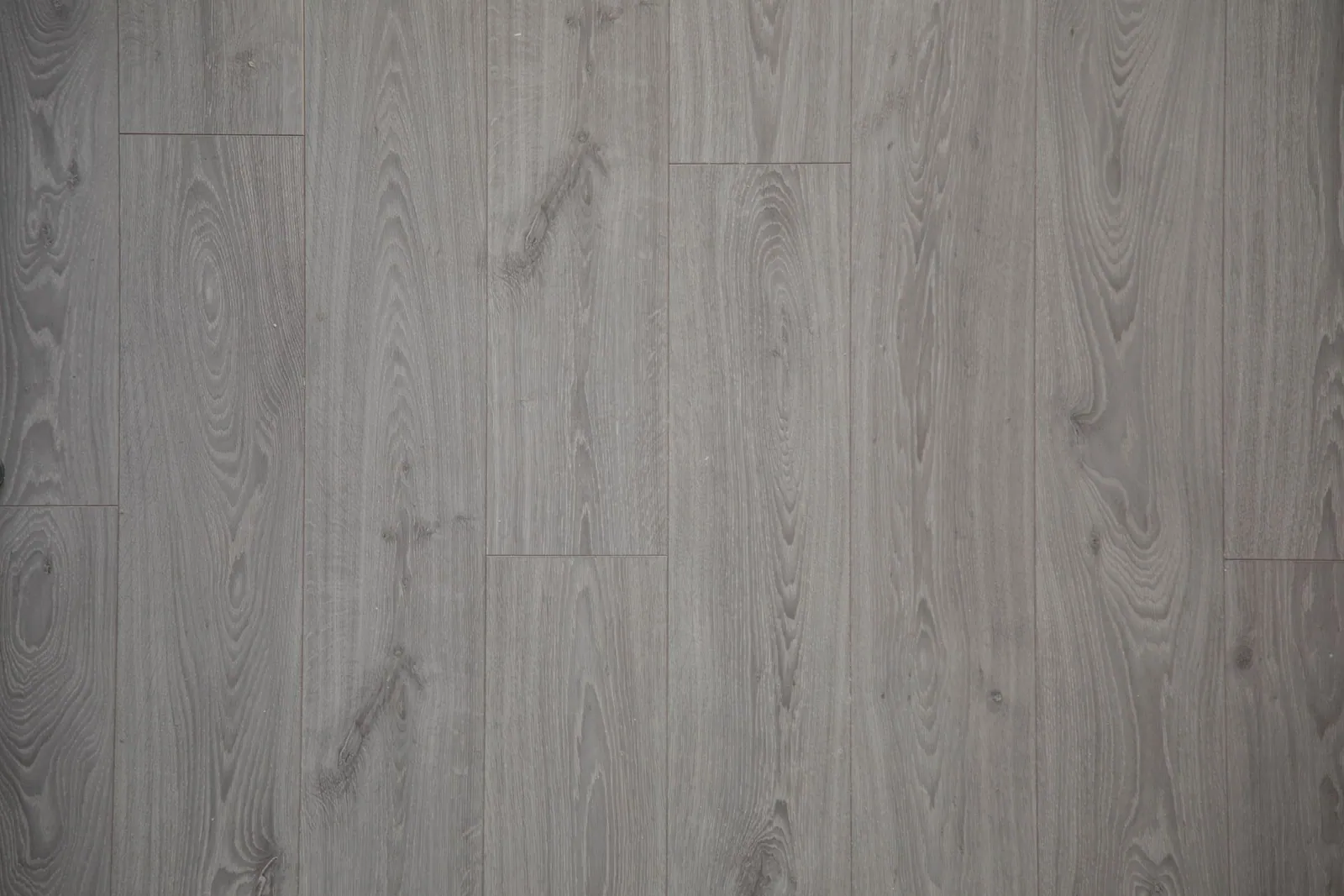
Bamboo flooring generally requires a longer, more carefully managed acclimation period than engineered hardwood, since its response to humidity can be less predictable across different manufacturers. Installers check subfloor moisture, flatness and structural condition before establishing the layout, just as they would for solid or engineered hardwood.
Installation method depends on the specific product: some bamboo flooring is designed for nail-down installation over a wood subfloor, while other engineered bamboo products are built for floating or glue-down installation over concrete. Following the manufacturer's specific instructions matters more with bamboo than with more standardized categories like LVP, given the wider variance in construction between bamboo brands.
Expansion space around the perimeter of the room is another detail that deserves professional attention. Bamboo's dimensional response to humidity means that a floating or nailed installation needs adequate clearance at walls, doorways and fixed cabinetry to accommodate seasonal movement. Skipping or underestimating this clearance is one of the more common causes of buckling reported in bamboo flooring installations, and it is almost always preventable with correct planning before the first plank goes down.
Richmond's older homes add another layer of consideration, since many were built with wood subfloors that have settled or shifted slightly over decades. An experienced installer checks flatness across the room before committing to bamboo flooring, correcting high and low spots so the finished floor does not develop the hollow sound or flexing that an uneven substrate can cause under any floating or nail-down product.
How to Clean and Maintain Bamboo Flooring
- Sweep or vacuum regularly using a hard-floor setting without an aggressive beater bar.
- Use an approved, pH-neutral cleaner and a lightly damp microfiber pad rather than a wet mop.
- Wipe spills promptly, since bamboo is not waterproof despite its hardness.
- Maintain stable indoor humidity year-round to reduce the risk of gapping or cupping.
- Use felt pads under furniture and address grit at entry points to reduce scratching.
- Avoid steam cleaners, wax and oil-based soaps unless specifically approved by the manufacturer.
- Keep spare planks from the original installation for future repairs, since colors and product lines change.
Consistent, gentle care protects bamboo flooring far more effectively than aggressive periodic deep cleaning. Following the specific manufacturer's cleaning guidance is especially important given how much variation exists across bamboo flooring finishes and adhesives.
Eight Bamboo Flooring Mistakes to Avoid
- Assuming all bamboo flooring is equally hard. Strand-woven and traditional bamboo perform very differently.
- Skipping manufacturer research. Quality varies more in bamboo flooring than in many established hardwood categories.
- Ignoring humidity control. Bamboo flooring is more sensitive to swings than many engineered wood products.
- Installing it in bathrooms. Bamboo is not waterproof and performs poorly in consistently wet rooms.
- Choosing color by sample alone. Bamboo's color can shift with UV exposure over time.
- Assuming unlimited refinishing potential. Wear-layer thickness limits how many times bamboo flooring can be sanded.
- Skipping acclimation. Rushed installation increases the risk of gaps and movement later.
- Choosing the lowest bid without documentation. Request hardness ratings, finish warranty and emissions certification before buying.
How to Choose the Right Bamboo Flooring
Start by confirming whether a product is strand-woven or traditional bamboo, since this single distinction affects hardness, appearance and price more than almost any other specification. Request hardness testing data, finish warranty terms and indoor-emissions documentation from the manufacturer rather than relying on marketing language alone.
Compare bamboo flooring honestly against engineered hardwood and quality LVP for your specific rooms and lifestyle. Bamboo's renewable growing cycle and hardness make it a legitimate contender, but it is not automatically the right choice for every room or every household, particularly where moisture exposure or extreme humidity swings are a concern.
Ask any potential supplier how long they have carried the specific product line, since a bamboo flooring brand that has been consistently available for several years is more likely to have replacement material on hand if a repair is ever needed. Newer or lesser-known brands may offer an attractive price, but discontinued color runs are a real risk in a category that still sees more manufacturer turnover than long-established hardwood species.
Frequently Asked Questions About Bamboo Flooring
Is bamboo flooring a good choice for Richmond homes?
Quality strand-woven bamboo flooring can be a practical choice for many Richmond homes, offering hardwood-like appearance and hardness at a competitive price. Humidity control and acclimation matter more than for many engineered wood products.
What is the biggest disadvantage of bamboo flooring?
Bamboo flooring is sensitive to humidity swings and can gap, cup or warp if indoor conditions are not reasonably controlled. Quality also varies significantly between manufacturers.
Is bamboo flooring more durable than hardwood?
Strand-woven bamboo is often harder than many common hardwood species, including red oak. Traditional bamboo is typically softer and less durable than strand-woven products.
Is bamboo flooring waterproof?
No. Bamboo flooring responds to standing water similarly to hardwood. Spills should be cleaned promptly, and it is not recommended for bathrooms or consistently wet rooms.
How long does bamboo flooring last?
Quality bamboo flooring can last several decades with proper care, though lifespan depends heavily on manufacturing quality, finish durability, humidity control and traffic.
Can bamboo flooring be refinished?
Solid strand-woven bamboo can often be sanded and refinished a limited number of times, depending on the wear layer and how the specific product is manufactured.
Is bamboo flooring good for pets and kids?
Strand-woven bamboo's hardness makes it fairly resistant to scratches from pets and children, though no floor is claw-proof. A matte finish helps disguise wear.
Does Del Carlo Flooring install bamboo flooring?
Yes. Del Carlo Flooring installs bamboo flooring and comparable hardwood alternatives throughout Richmond and Central Virginia.
Is Bamboo Flooring Right for Your Richmond Home?
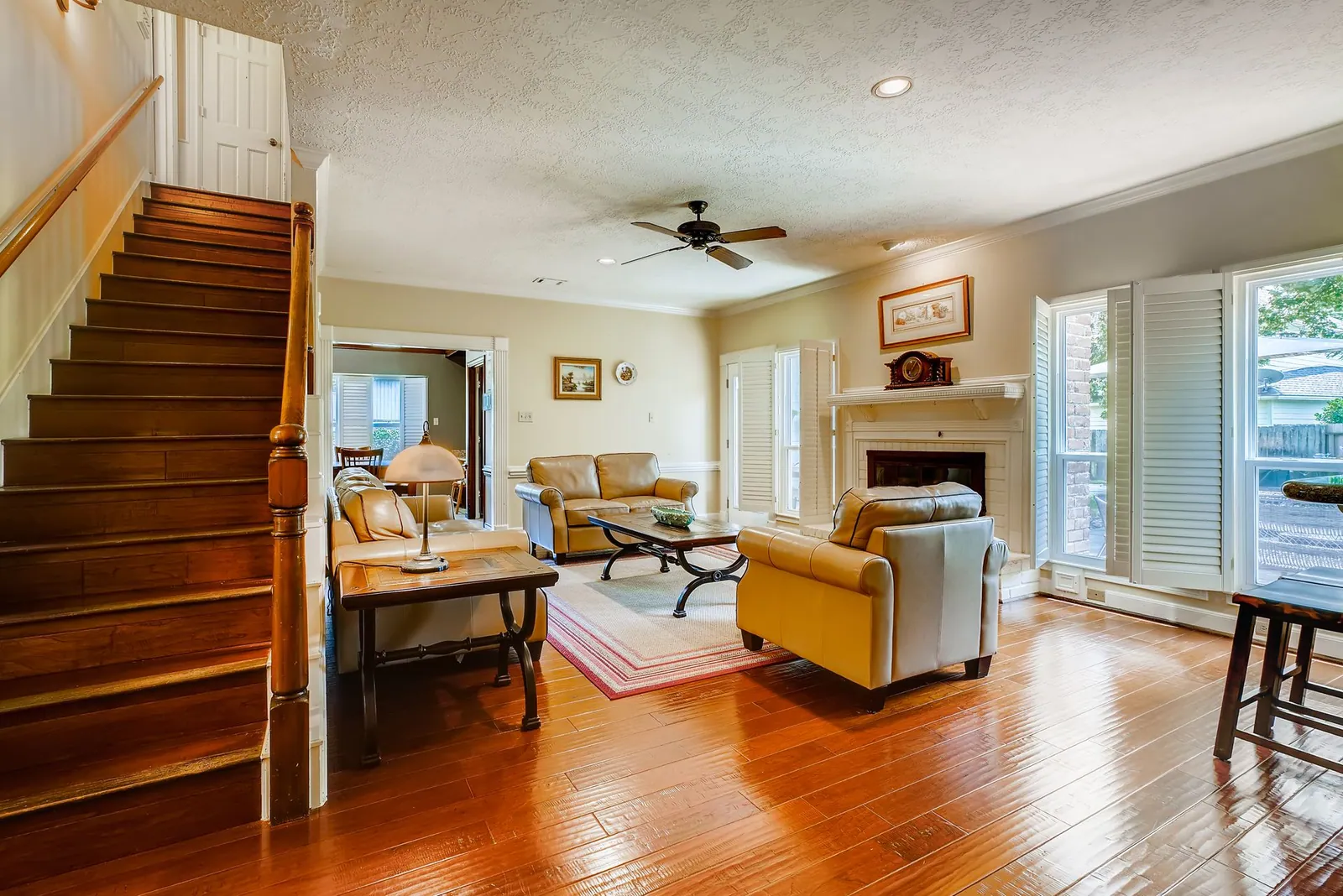
Bamboo flooring's strongest advantages are its rapid renewability, competitive cost and the impressive hardness of quality strand-woven products. Its main disadvantages are sensitivity to humidity swings, wide quality variance between manufacturers, and a lack of true waterproofing despite its wood-like appearance.
Choose bamboo flooring when those practical strengths match your rooms and expectations, and when you have confirmed the specific manufacturer's hardness rating and finish quality rather than assuming every bamboo product performs the same way. Explore our hardwood and hardwood-alternative installation service, review all Del Carlo Flooring services, or request a free estimate for recommendations based on your Richmond home.
A short conversation with an installer who has actually worked with several bamboo flooring brands is often worth more than hours spent reading marketing pages, since real installation experience reveals which products hold up and which ones tend to generate callbacks. Del Carlo Flooring is happy to share that experience honestly, even when the answer is that a different material suits your specific room better than bamboo would.